

Pakistan’s Auto Industry in Transition: Rising Prices, New Players & Changing Buyer Trends
Pakistan’s automobile industry is entering a transition phase as new Chinese brands, hybrid SUVs, and electric vehicles gain ground in a market long dominated by Toyota, Honda, and Suzuki. Rising vehicle prices, limited feature upgrades, and changing consumer expectations are reshaping buying trends, particularly in the SUV segment.
Chinese Car Brands Enter Pakistan: Jetour Dashing & X70 Plus Shake Up SUV Market
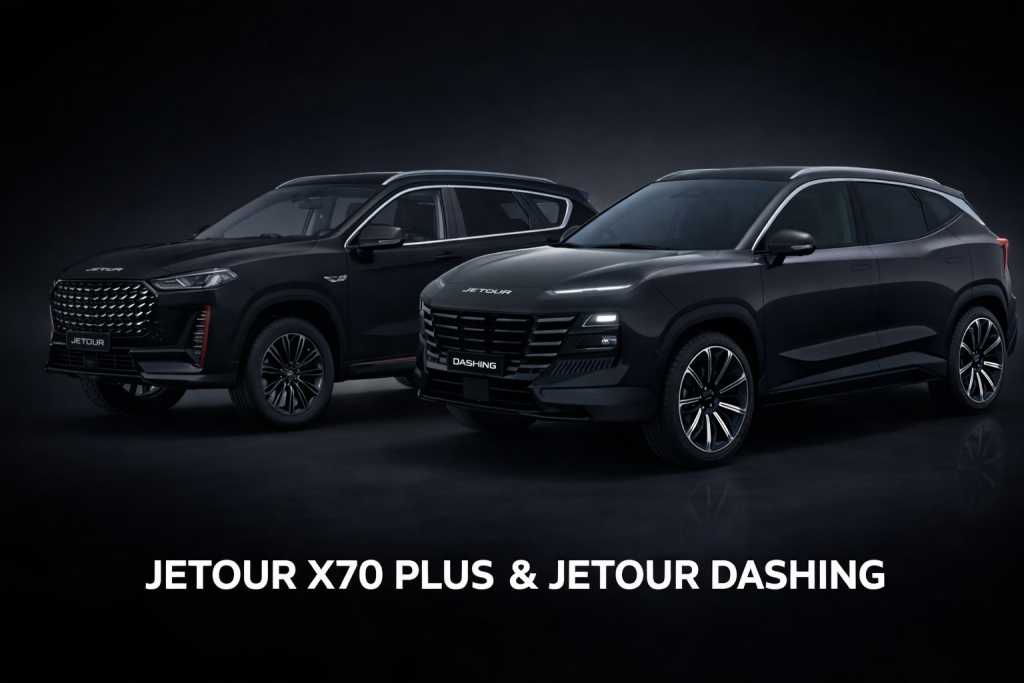
In 2025 and early 2026, manufacturers introduced a range of new vehicles to Pakistan’s market. Chinese automaker Jetour officially entered Pakistan in 2025 with the launch of SUVs including the Jetour Dashing and X70 Plus, produced locally through assembly partnerships.
Electric & Hybrid Boom in Pakistan: BYD Shark and Deepal S05 Lead the Future
Another new model introduced in 2025 was the Deepal S05 REEV, a new energy SUV priced at around Rs. 9,999,000. In the electric and hybrid pickup segment, BYD launched the Shark hybrid pickup truck in Pakistan in 2025. The Chinese EV giant also launched several other electric vehicles and also plans to begin local assembly of its electric and plug-in hybrid vehicles in Pakistan by mid-2026.
Omoda, Jaecoo & Chery Expand SUV Lineup: New Hybrid Models Hit Pakistan
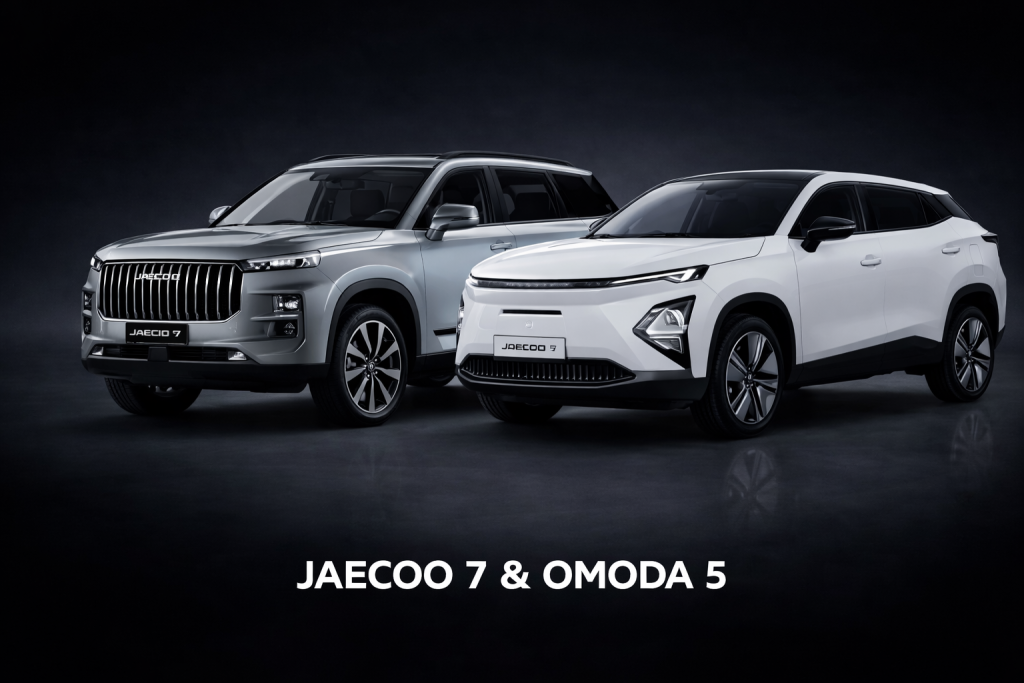
Furthermore, Omoda & Jaecoo introduced the Jaecoo J7, J5 and J6 in the local market. Chery expanded its lineup with the Tiggo 8 Pro PHEV and announced the Tiggo 9 PHEV for the local market.
Pakistan’s automobile industry is moving toward electrification, hybridization, and higher feature expectations, and that shift is unlikely to reverse.
Why Hybrid Cars Are Winning in Pakistan: The Smart Alternative to Full EVs
In the short to medium term, hybrids and plug in hybrids will dominate the transition. Fully electric vehicles are entering the market, but charging infrastructure remains limited outside major cities. Because of that, PHEVs and HEVs offer a practical middle ground. They reduce fuel consumption while removing range anxiety. Brands like BYD, Changan, Omoda, Jaecoo, Jetour, and others are building their strategy around this reality.
Toyota, Honda & Suzuki Under Pressure as Pakistani Buyers Demand More Features
Traditional players such as Toyota, Honda, and Suzuki face pressure to respond. Consumers now compare not just engine reliability but also ADAS features, panoramic displays, digital clusters, ventilated seats, and safety packages. Many buyers feel that locally assembled vehicles remain expensive despite offering fewer features. That perception is pushing customers toward imported or newly introduced hybrid SUVs that offer more equipment at similar or slightly higher prices.
Government’s Role
Government EV incentives and policy direction also support electrification. If consistent, these policies will accelerate local assembly of hybrid and electric vehicles. Over the next five years, expect more local hybrid production, gradual EV infrastructure expansion, and stronger competition in the SUV segment.
Future of Automobiles in Pakistan
The future of automobiles in Pakistan will revolve around technology, fuel efficiency, and value for money. Brands that adapt quickly will lead. Those that rely only on legacy reputation will struggle.
The future likely favors feature-rich hybrids and plug-in SUVs. Toyota, Honda, and Suzuki will need faster product upgrades and stronger hybrid offerings to maintain dominance as Chinese brands continue aggressive expansion.