
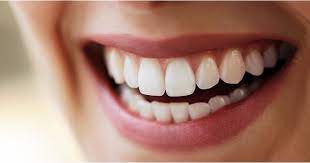
Full mouth rehabilitation — also known as full mouth reconstruction or restoration — is a comprehensive dental treatment that aims to completely restore the function, aesthetics, and health of a patient’s entire mouth. Unlike standard dental procedures that address isolated problems, full mouth rehabilitation is a personalised treatment plan designed for individuals with multiple dental issues across the upper and lower jaws. It’s often recommended for patients with severe dental damage, wear, or long-term oral health issues.
In this article, we’ll explore what full mouth rehabilitation covers, who might need it, what procedures are typically involved, and what outcomes patients can expect.
Who Needs Full Mouth Rehabilitation?
Full mouth rehabilitation is typically reserved for patients whose oral health has deteriorated significantly due to one or more of the following conditions:
- Severe tooth decay in multiple areas of the mouth
- Multiple missing teeth from trauma, decay, or gum disease
- Advanced periodontal disease that has compromised gum and bone health
- Severely worn teeth due to bruxism (grinding), acid erosion, or age-related wear
- Chronic jaw pain or bite issues related to TMJ disorders or a misaligned bite
- Congenital conditions such as amelogenesis imperfecta or dentinogenesis imperfecta
- Traumatic injuries from accidents or sports-related impacts
Patients with a combination of these issues often experience pain, difficulty eating or speaking, and a loss of confidence due to the appearance of their teeth.
What Does Full Mouth Rehabilitation Involve?
Full mouth rehabilitation is not a single treatment, but rather a customised combination of procedures tailored to the patient’s specific needs. These treatments typically involve multiple disciplines, including general dentistry, periodontics, orthodontics, endodontics, prosthodontics, and sometimes oral surgery.
Here’s a breakdown of what full mouth rehabilitation can include:
1. Comprehensive Oral Assessment
Every rehabilitation begins with a detailed evaluation of your oral health. Dentists use digital X-rays, 3D scans, photographs, impressions, and bite analysis to develop a precise diagnosis and treatment roadmap.
2. Treatment of Gum Disease
If periodontal disease is present, it must be addressed before any restorative work can begin. This might involve deep cleaning (scaling and root planing), laser therapy, or even gum surgery to restore healthy tissue.
3. Tooth Restorations
Decayed or damaged teeth are restored using fillings, inlays/onlays, or crowns. Advanced tooth wear may require rebuilding the tooth structure with custom crowns to re-establish the bite and protect the teeth.
4. Tooth Replacement
Missing teeth can be replaced through various methods, including:
- Dental implants
- Fixed bridges
- Partial or full dentures
Each option has different implications for cost, longevity, and aesthetics.
5. Orthodontic Treatment
Some patients require orthodontic treatment (like braces or Invisalign) to correct bite misalignments before restorative work begins. Proper alignment is crucial for the long-term success of the restorations.
6. Root Canal Therapy
Teeth that are infected or have severely damaged pulp may need root canal treatment to eliminate infection and allow for restoration with a crown.
7. Jaw Alignment and TMJ Therapy
In cases of chronic jaw pain, clicking, or misalignment, TMJ disorders must be evaluated. Treatment may involve splint therapy, adjustments to bite, or surgical intervention in severe cases.
8. Cosmetic Enhancements
While function is the priority, cosmetic treatments are often part of the process. These may include:
- Porcelain veneers
- Teeth whitening
- Gum contouring
The goal is to ensure that the smile is not only healthy but also attractive and balanced.
Benefits of Full Mouth Rehabilitation
Dentists agree mouth rehab has many benefits extending far beyond aesthetics. Patients typically experience:
- Improved oral function (chewing, biting, and speaking)
- Elimination of pain associated with dental decay, TMJ disorders, or gum disease
- Restoration of facial aesthetics — especially in cases where tooth loss has caused facial collapse or premature aging
- Better overall health — chronic dental infections and inflammation have been linked to systemic issues like heart disease and diabetes
- A major boost in confidence with even fresher breath and a higher quality of life
How Long Does It Take?
The timeframe for full mouth rehabilitation can vary significantly based on the complexity of the case. It might take anywhere from a few months to over a year to complete, especially if implants are involved and require healing time. A phased approach ensures that each part of the mouth is addressed methodically and safely.
Is Full Mouth Rehabilitation Painful?
Modern dentistry has made full mouth rehabilitation far more comfortable than patients might imagine. Local anesthesia, sedation dentistry, and minimally invasive techniques help manage pain effectively. Recovery time varies depending on the procedures performed, but dentists will typically provide a clear aftercare plan and support during the healing process.
Final Thoughts
Full mouth rehabilitation is a life-changing treatment for patients with extensive dental problems. It requires a skilled dental team, a clear treatment plan, and a commitment from the patient — but the rewards are immense. From restoring function to giving patients back their smile and confidence, full mouth rehabilitation is one of the most transformative treatments available in modern dentistry.
If you’re experiencing multiple dental concerns, talk to a qualified dentist or prosthodontist about whether full mouth rehabilitation might be right for you.
