

Introduction
Nostalgia has become a powerful force in today’s collectibles market, influencing what people buy and why they value certain items. Many consumers are drawn to objects that remind them of earlier decades, creating a renewed interest in products tied to past experiences. This emotional connection has transformed collecting into something more meaningful than simple ownership.
The influence of past eras is visible across multiple categories, from music and toys to film-related memorabilia. As older trends return to mainstream attention, they bring with them a wave of demand for items that once defined those periods. This resurgence has encouraged both seasoned collectors and new buyers to explore nostalgic products.
At the same time, modern collecting blends retro appeal with current trends. This combination keeps the market active and ensures that nostalgia continues to shape purchasing behaviour.
The Comeback of Retro Culture
Retro culture has made a strong return in recent years, driven by renewed interest in past decades. Styles, music, and media from the 80s, 90s, and early 2000s are once again influencing consumer preferences. This revival has extended into the collectibles market, where older items are now highly sought after.
Media reboots and remakes have played a significant role in this shift. Popular franchises returning to screens introduce classic themes to new audiences while reigniting interest among long-time fans. This creates a bridge between generations, increasing demand for related collectibles.
Older generations also contribute to this trend. With greater purchasing power, they often seek items that reconnect them with earlier experiences. This combination of cultural revival and financial ability has helped retro collectibles regain prominence in the modern market.
The Growing Demand for Vintage Music Collectibles
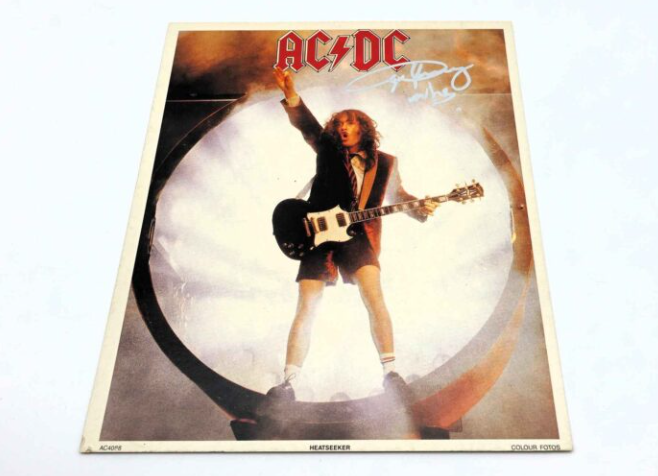
Music has always held a strong emotional connection, making related collectibles particularly meaningful. Items such as records, posters, and memorabilia allow collectors to engage with music in a physical and personal way. This connection often goes beyond listening, turning music into something that can be owned and displayed.
Tangible formats offer an experience that digital media cannot replicate. Holding a record or viewing original artwork adds a sensory element that enhances appreciation. This physical interaction creates a deeper bond between the collector and the item.
Collectors also value the cultural significance of music memorabilia. Items tied to influential artists or important moments in music history often carry lasting appeal. As a result, demand for these collectibles continues to grow, supported by both emotional attachment and cultural relevance.
The Rise of Vintage Vinyl Records in Modern Times
Vinyl records have experienced a strong resurgence, attracting both long-time collectors and new audiences. While digital music offers convenience, many listeners are returning to vinyl for its unique listening experience. The format provides a sense of authenticity that digital platforms often lack.
Sound quality is often part of the appeal, but nostalgia plays an equally important role. Records are associated with a time when music consumption felt more intentional and immersive. This emotional connection continues to attract buyers who value both the experience and the history behind each piece.
Many collectors actively seek out vintage vinyl records for sale, recognising their cultural and aesthetic value. Others choose to buy vintage vinyl records as a way to build collections that reflect personal taste. This growing interest has solidified vinyl as a key segment within the broader collectibles market.
How Pop Culture Franchises Fuel Collecting Trends
Pop culture franchises have a major influence on collecting behaviour. Movies, anime, and gaming series often drive demand for related items, especially when they achieve widespread popularity. Fans are drawn to collectibles that allow them to connect more deeply with their favourite stories and characters.
Limited releases tied to major franchises further increase demand. Special editions and exclusive items create urgency, encouraging collectors to act quickly. These releases often become highly valued over time due to their scarcity and cultural relevance.
The cross-generational appeal of iconic brands also contributes to their success. Long-standing franchises attract both older fans and new audiences, expanding their reach. This broad appeal ensures continued demand for collectibles linked to these cultural icons.
The Role of Scarcity in Nostalgia Markets
Scarcity is a key factor that drives value in nostalgia-based collectibles. Items that are no longer produced or were released in limited quantities often become highly desirable. This limited availability creates a sense of urgency among collectors, encouraging quicker decisions and higher perceived value.
Discontinued products hold particular appeal because they cannot be easily replaced. As time passes, finding these items becomes more difficult, which further increases their rarity. Collectors often view such pieces as unique opportunities that may not appear again.
The idea of owning something tied to the past also adds emotional weight. These items are not just rare but meaningful, representing a specific moment in time. This combination of scarcity and sentiment plays a major role in shaping pricing and demand within the collectibles market.
Generational Spending Power and Its Impact
Different generations play a significant role in shaping the collectibles market. Millennials and Gen Z, in particular, are driving demand for nostalgia-related items. As their purchasing power grows, they are more willing to invest in objects that reflect their personal memories and cultural influences.
Many of these buyers are drawn to items from their childhood or teenage years. This emotional connection often leads to spending decisions that prioritise meaning over practicality. Collecting becomes both a hobby and a lifestyle choice, reflecting personal identity and interests.
At the same time, older generations continue to influence the market with their established preferences and higher disposable income. This combination of age groups creates a diverse and active market. Their collective impact ensures that nostalgia remains a powerful force in driving demand.
Physical Media vs Digital Consumption
Despite the rise of digital platforms, physical collectibles continue to hold strong appeal. Items such as records, figures, and memorabilia offer a sense of permanence that digital content cannot provide. This physical presence adds value by creating a more tangible and lasting connection.
Emotional attachment is a key factor in this preference. Owning a physical object often feels more meaningful than accessing something digitally. The ability to display, handle, and preserve items enhances the overall experience of collecting.
Functional convenience may favour digital formats, but emotional value often favours physical ones. Collectors are drawn to objects that they can interact with in real life. This balance explains why physical collectibles remain relevant even in a highly digital world.
The Influence of Social Media on Nostalgia Trends
Social media has significantly shaped modern collecting trends. Platforms such as video-sharing and content communities allow collectors to showcase their items and connect with wider audiences. This visibility has helped revive interest in nostalgic products.
Influencers and content creators play a major role in this process. By sharing collections and discoveries, they introduce audiences to items they may not have considered before. This exposure often leads to increased demand for specific categories.
Viral trends can quickly boost the popularity of certain collectibles. When an item gains attention online, it often experiences a surge in interest and value. Social media has therefore become a powerful tool in shaping what people collect and how trends develop within the market.
Conclusion
Nostalgia continues to shape the collectibles market by combining emotional connection with economic value. Items tied to past experiences hold a unique appeal that goes beyond their physical form. This connection encourages collectors to seek out objects that reflect their personal history.
As different generations participate in the market, demand remains strong and diverse. The blend of retro influence and modern trends keeps collecting relevant and engaging. New platforms and technologies continue to expand how people discover and share collectibles.
Ultimately, collecting is about more than ownership. It is about preserving memories, expressing identity, and engaging with culture in a meaningful way. This lasting appeal ensures that nostalgia will remain a driving force in the world of collectibles for years to come.