
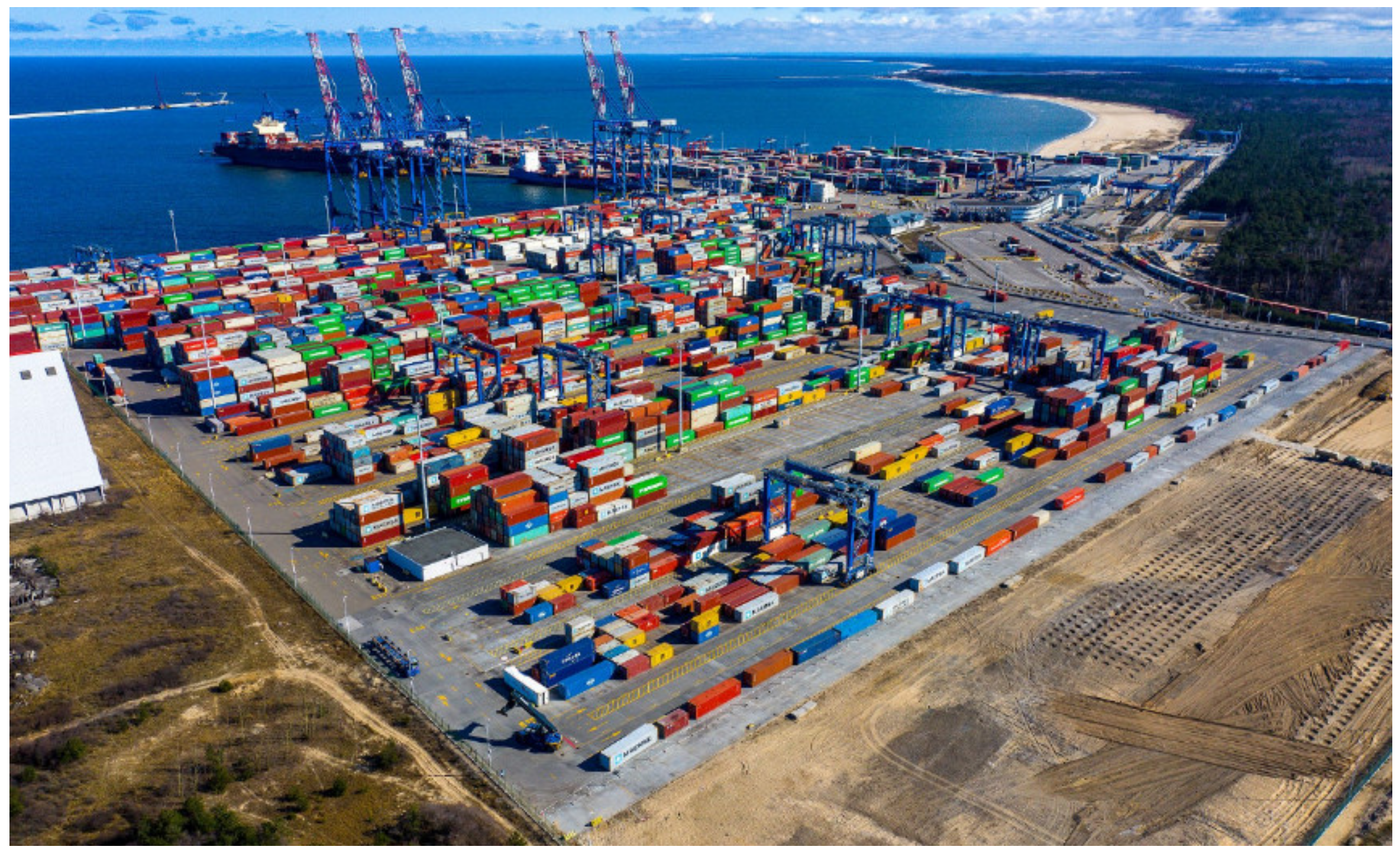
If you’ve ever tracked a delivery that suddenly stopped updating, you’ve felt the modern supply chain problem in real time.
Cities move on timing.
Restaurants need ingredients. Stores need inventory. People need packages. And when trucks back up at gates, or when a shipment goes “missing,” it doesn’t just hurt big companies—it hits everyday life.
That’s why logistics is quietly becoming one of the biggest tech stories right now, right alongside AI.
What RFID actually does (in plain English)
RFID stands for Radio Frequency Identification.
It’s a way to identify and track something—like a truck or a sealed container—using a small tag and a reader. Unlike barcodes, RFID doesn’t need a perfect line-of-sight scan. It’s built for fast, real-world movement: gates, yards, docks, and busy facilities.
Used well, RFID reduces:
- manual check-ins
- “where is it?” phone calls
- paperwork delays
- missed handoffs
And once you combine RFID data with modern analytics or AI, you get something even more useful: predictive logistics—systems that can spot delays and risks before they become expensive problems.
Use case 1: Smoother vehicle flow with RFID windshield tags
One of the simplest upgrades logistics sites can make is automating vehicle entry and exit.
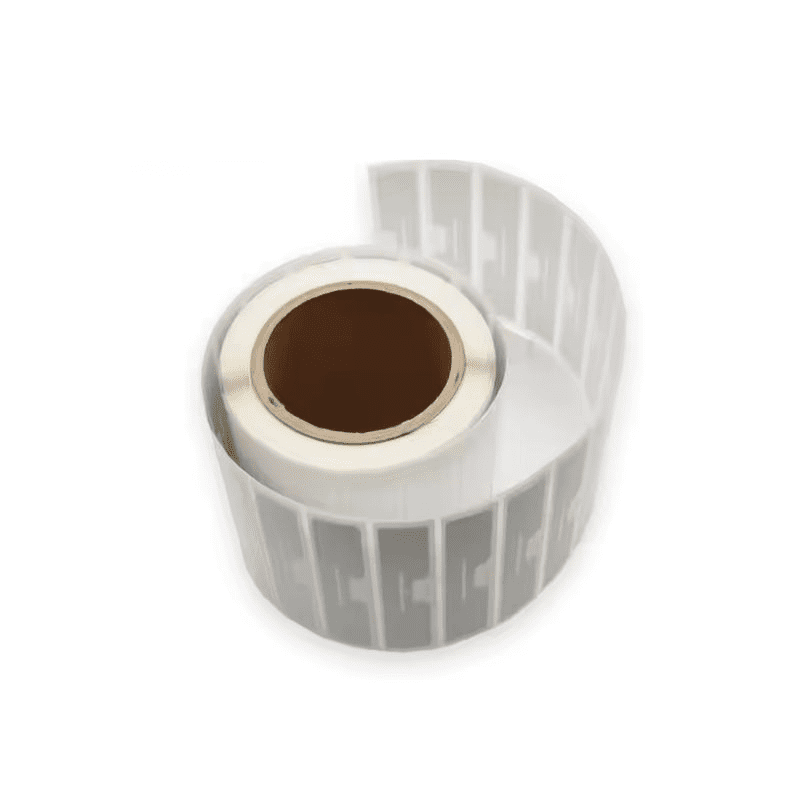
Instead of relying on guards writing down plate numbers or drivers showing paperwork, facilities can use RFID windshield tags attached inside the windshield.
When the truck approaches the gate, readers identify it instantly.
That can enable:
- faster gate-in / gate-out
- cleaner yard records (who entered, when, and where they went)
- less congestion during peak hours
- better scheduling for docks and loading teams
For busy metro areas, that matters. Less idling and fewer choke points can mean more reliable delivery windows—especially during high-volume seasons.
Use case 2: Stronger shipment security with RFID bolt seals
Tracking is one part of the story.
Security is the other.
For containers and trailers, traditional seals can show tampering—but they don’t always help you verify identity quickly at scale, especially when shipments cross multiple checkpoints.
That’s where RFID bolt seals come in.
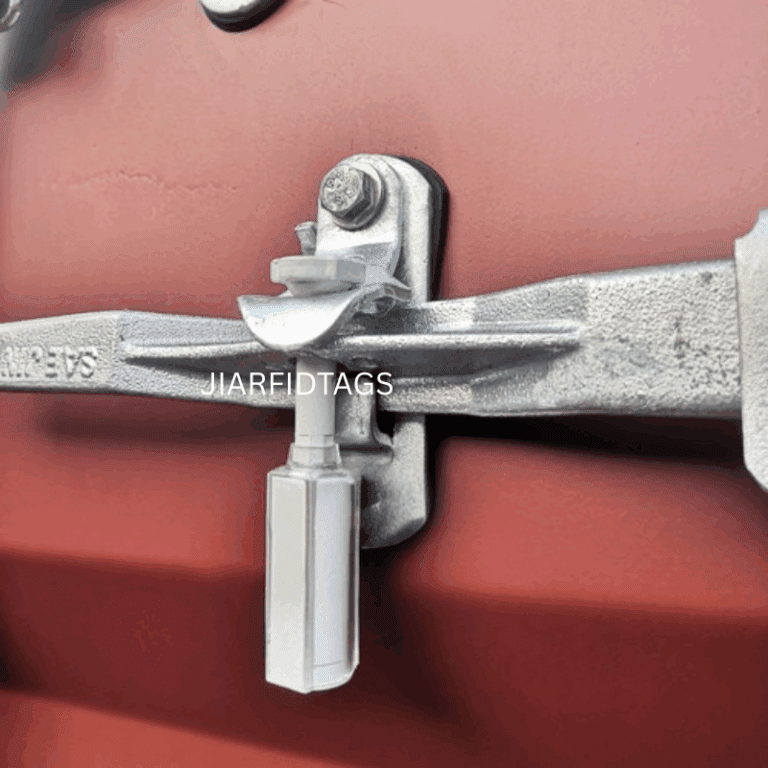
These are heavy-duty, tamper-evident bolt seals that also carry an RFID identity, so teams can confirm the seal ID faster at yards, ports, and distribution points.
In practical terms, that can support:
- quicker inspections (less manual reading/typing)
- cleaner chain-of-custody records
- earlier detection of unusual seal events
- better control for high-value or cross-border cargo
Where AI fits: from “tracking” to “predicting”
RFID creates a steady stream of time-and-location events: gate scans, yard reads, checkpoint confirmations.
AI or analytics tools can use that data to spot patterns like:
- a carrier that’s consistently late at one facility
- trailers that spend too long in a specific zone
- unusual route timing that signals risk
- bottlenecks that keep repeating every Tuesday morning
That’s the shift from reactive operations (“we’ll deal with it when it happens”) to predictive operations (“we can see the risk building up”).
Why this matters beyond warehouses
When logistics gets smarter:
- small businesses can restock with fewer surprises
- customers get more reliable delivery ETAs
- local jobs shift toward higher-skill operations
- fewer delays mean less waste (time, fuel, spoiled goods)
It’s not flashy tech.
But it’s the kind of tech that quietly makes daily life work better.
A simple checklist for adopting RFID in logistics
If you’re evaluating RFID for fleet flow or cargo security, here are smart first questions:
- Do you need faster gate processing or better yard visibility?
- Are cargo security checks slowing you down at checkpoints?
- Do you have recurring “lost time” points in the same locations?
- Will your data be used for reports only—or for prediction and optimization?
Start small, measure results, then scale.