

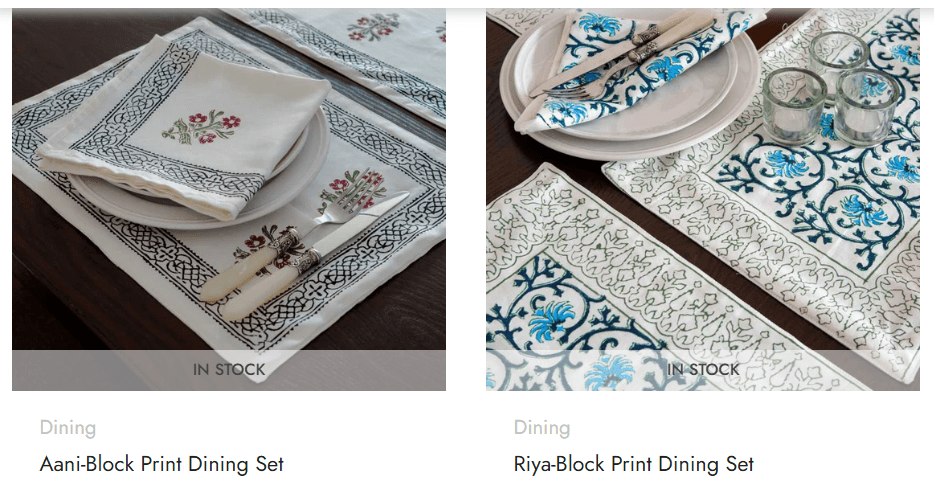
Block printing has served artists for centuries. It still attracts crafters because it stays simple, flexible, and deeply personal. You carve a design, apply color, and press it onto fabric or paper. The result always feels handmade.
Many modern home décor brands now rely on this technique. In Pakistan, even small studios and stores such as Premia Home use block printing to preserve traditional textile patterns while adapting them for everyday homes.
Let’s break it down.
What Is Block Printing?
Block printing is a surface printing method that uses a carved block to transfer color onto fabric or paper. Artisans carve raised areas into wood, rubber, or foam. They coat the surface with dye or ink. Then they press the block onto material.
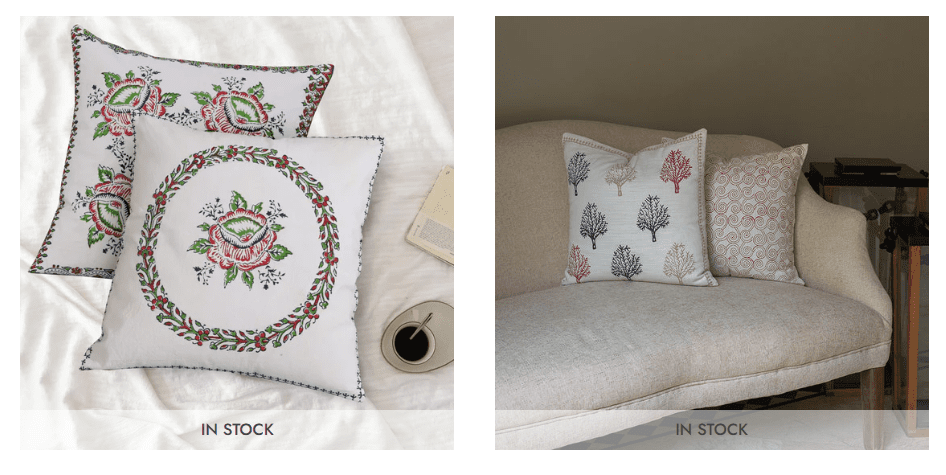
Indian block printing remains one of the most respected traditions in this field. Artisans in Rajasthan still use natural dyes and hand-carved teak blocks to print cotton textiles. Similar techniques now appear in Pakistani bedding and cushion designs, including collections found at Premia Home.
7 Block Printing Techniques
1. Traditional Hand Block Printing
This method relies on carved wooden blocks and manual pressure. Artisans align each block carefully to form repeating patterns.
Natural dyes often appear in this process. Floral and geometric motifs dominate traditional Indian work. Many contemporary cushion covers and bedsheets at Premia Home reflect this same method in softer, modern color palettes.
2. Wooden Block Printing
Wooden block printing focuses on sharper detail. Carvers use harder wood to hold fine lines.
This method suits textile projects such as curtains, cushion covers, and table runners. You can often recognize this style in home collections that prefer subtle imperfections over machine perfection, including several designs available at Premia Home.
3. Foam Block Printing
Foam blocks suit beginners and experimental artists. Foam cuts easily and presses softly.
This method creates textured edges. It works well for abstract patterns and soft borders, often seen in casual bedding and décor pieces used in modern Pakistani homes.
4. Stamp Block Printing
Stamp printing uses ready-made or carved stamps. The process stays fast and controlled.
This style suits repeated motifs such as dots, leaves, and borders. Many entry-level block print products, including small décor items at Premia Home, start with this method.
5. Relief Block Printing
Relief printing removes deep areas from the block. The raised surface carries the ink.
This method produces bold contrast. It suits graphic designs and statement patterns often used in accent cushions and wall panels.
6. Stencil-Based Block Printing
This method combines stencils with block pressure. You print inside stencil shapes to control placement.
Home décor artists often use this for wall panels, runners, and coordinated bedding sets like those found in traditional Pakistani households.
7. Reverse Block Printing
Reverse printing leaves the design in empty space while the background carries color.
This method works best with light fabric and dark dye. The contrast draws attention. Some modern block print bedding collections at Premia Home apply this technique to achieve cleaner visual balance.
Why Crafters Still Choose Block Printing
Block printing stays relevant because it offers control and freedom.
- You create personal designs.
- Costs stay low.
- Materials stay simple.
- Cultural methods remain alive.
- Natural dyes reduce chemical exposure.
Many home décor stores, including Premia Home, continue using block printing because customers still prefer handmade character over machine perfection.
How to Do Block Printing on Fabric at Home
Choose cotton or linen.
- Carve a simple block.
- Protect your workspace.
- Apply fabric paint with a roller.
- Press firmly and lift straight.
- Let it dry.
- Heat set if required.
Try small projects first. Cushion covers work well.
Final Thoughts
Block printing shows patience and choice. Each print carries slight variation. That variation gives life to the fabric. Whether you see it in craft studios, local markets, or curated home collections like those at Premia Home, block printing continues to connect tradition with daily living.
FAQs
What fabric works best for block printing?
Cotton and linen absorb dye evenly.
Can I make blocks at home?
Yes. Foam, rubber, and wood all work.
How do I clean blocks?
Use mild soap and warm water. Dry fully.