

Picture this: you’re running late for an 8 a.m. lecture, the bus is packed beyond capacity, and your only alternative is a 25-minute walk across campus. For millions of students navigating urban environments, this isn’t an occasional inconvenience—it’s a daily reality. Between cramped dorm rooms with zero storage space, unpredictable transit schedules, and the constant pressure of a tight budget, getting around efficiently feels like a part-time job in itself.
Enter the foldable ebike—a compact, electrically assisted bicycle that’s quietly transforming how students move through cities. Unlike traditional bikes that demand dedicated storage or scooters that can’t hop on a subway, a foldable ebike collapses down to a manageable size within seconds, slides under your desk, and gets you across town without breaking a sweat. It merges electric pedal assistance with genuine portability, making it uniquely suited to the student lifestyle. This article explores why foldable ebikes aren’t just a trendy gadget but a practical, space-saving, and cost-effective answer to the very real transport challenges students face every day.
Understanding the Urban Student Commute Challenge
Student life in any major city comes with a transportation puzzle that rarely has a clean solution. Dorm rooms and shared apartments offer barely enough space for a backpack, let alone a full-sized bicycle. Public transit, while affordable, runs on its own schedule—not yours—leaving students stranded after late study sessions or rushing between campuses. Budget constraints rule out ride-sharing as a daily habit, and parking a car near campus often costs more than tuition. Traditional bikes seem like the obvious answer until you realize there’s nowhere to lock them safely, and theft rates near universities are notoriously high. Scooters and mopeds offer speed but can’t board a subway or fit inside a lecture hall. What students genuinely need is a transport option that collapses into a manageable form, integrates seamlessly with existing transit networks, handles varied urban terrain, and doesn’t demand a dedicated storage unit. Foldable ebikes check every one of those boxes in a way no other single solution currently does.
Key Features of an Ideal Foldable Ebike for Students
Not every folding electric bike is built with student life in mind. The right model needs to address specific daily pressures—tight spaces, rushed schedules, safety concerns, and long hours on the go. Here are the core features that make a foldable ebike genuinely student-friendly.
Compact Folding Bike Design for Maximizing Storage
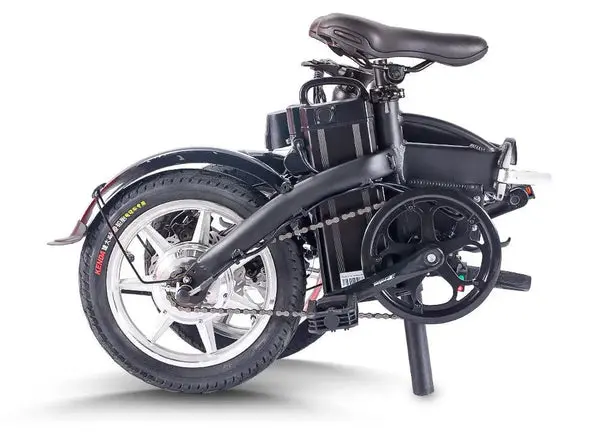
A truly compact folding bike should collapse small enough to slide under a lecture hall seat, tuck into a dorm room corner, or fit inside a locker. Lightweight aluminum frames keep the overall weight manageable for carrying up stairs, while a reduced folded footprint means it won’t dominate your living space. The smaller the folded dimensions, the more seamlessly it integrates into daily student life without requiring dedicated storage.
Safe Folding Mechanism for Sturdy and Reliable Use
A safe folding mechanism isn’t just a convenience feature—it’s a safety essential. Look for reinforced hinge joints with audible click-lock confirmation, ensuring the frame stays rigid during a ride. Poorly designed hinges flex under load, creating instability at speed. Quality locking clamps and durable pivot points prevent accidental collapse, giving students confidence that the bike handles reliably whether they’re navigating campus paths or busy city streets.
Quick Release System for Effortless Transport and Handling
When you’re rushing between classes, every second counts. A quick release system—typically a lever-based mechanism—lets students fold or unfold the bike in under 15 seconds without tools. This makes boarding a subway or bus genuinely practical rather than a frustrating ordeal. Smooth, intuitive releases also reduce the physical effort required, which matters when you’re already carrying a loaded backpack.
Comfortable Grips for a Smooth and Enjoyable Ride
Students often commute for 20 to 40 minutes at a stretch, and hand fatigue accumulates faster than most riders expect. Ergonomically shaped grips with vibration-absorbing rubber materials reduce strain on wrists and palms, improving overall control. Well-designed grips also enhance steering precision on uneven urban surfaces. This seemingly minor detail significantly affects how enjoyable—and sustainable—daily riding feels over an entire semester.
How Foldable Ebikes Solve Student Transport Problems: A Step-by-Step Guide
Turning a foldable ebike into a seamless part of your daily routine takes a little planning upfront, but the payoff is immediate. Follow these practical steps to make the most of what your bike offers.
Step 1: Map your daily route and storage points. Before anything else, identify where you’ll store the bike at each stop—under your desk, inside your locker, or beside your bed. Knowing your storage options helps you choose the right folded size and confirms whether your bike fits your specific environment.
Step 2: Master the folding and unfolding process. Practice the safe folding mechanism at home until the motion becomes automatic. Most quality foldable ebikes collapse in a clear sequence—handlebar fold, frame fold, pedal tuck—with each stage locking audibly into place. Drilling this routine means you’ll never fumble with it on a crowded subway platform.
Step 3: Integrate smoothly with public transit. Use the quick release system to collapse the bike just before boarding a bus or train. A folded ebike occupies roughly the same footprint as a large suitcase, making it transit-friendly during off-peak hours and manageable even during busy commutes.
Step 4: Dial in your comfort settings. Adjust the handlebar height and seat position to suit your body before your first real commute. Set the pedal-assist level based on terrain—lower assistance on flat paths conserves battery, while higher settings handle hills without draining your energy.
Step 5: Run daily safety and battery checks. Each morning, confirm the folding hinges are locked, tire pressure is adequate, and the battery has sufficient charge for your planned distance. A 60-second inspection prevents mid-commute surprises and keeps every ride predictably safe.
Benefits Beyond Convenience: Health, Cost, and Environmental Impact
A foldable ebike does more than just get you from A to B—it quietly improves three areas of student life that matter enormously: physical wellbeing, financial health, and environmental responsibility. The pedal-assist system deserves particular credit here. Unlike a purely electric scooter, an ebike encourages active pedaling, meaning students accumulate meaningful cardiovascular exercise during commutes they would have otherwise spent sitting on a bus. Riding 20 minutes each way translates to roughly 40 minutes of low-intensity daily activity—enough to meaningfully offset the sedentary nature of long study sessions.
The financial case is equally compelling. Monthly transit passes, ride-share fees, and occasional taxi costs stack up fast on a student budget. Switching to a foldable ebike reduces those recurring expenses to occasional charging costs—typically just cents per full battery charge—plus routine maintenance. Over a single academic year, the savings can be substantial, effectively paying back a significant portion of the bike’s upfront cost.
Environmental impact rounds out the picture. Universities increasingly promote sustainability commitments, and students who choose electric-assisted cycling over car trips or frequent ride-shares directly reduce their personal carbon footprint. Ebikes produce zero direct emissions during operation, and their energy consumption per kilometer is dramatically lower than any motorized vehicle. For eco-conscious students, that alignment between daily choices and broader values carries genuine meaning—making the foldable ebike not just a practical tool, but a statement about how they choose to move through the world.
Choosing the Right Foldable Ebike: A Practical Guide for Students
With dozens of models on the market, narrowing down your options requires focusing on what actually matters for student life rather than getting distracted by flashy specs. Start with budget—set a realistic ceiling and prioritize value over brand prestige. A mid-range foldable ebike with solid build quality will outperform a cheap alternative that develops mechanical issues mid-semester. Brands like Cemotobike have gained traction among student riders precisely because they focus on balancing affordability with dependable construction, which is often the combination that matters most on a campus budget.
Battery life deserves serious attention. Calculate your typical daily distance and choose a model whose range comfortably exceeds it, leaving buffer for detours or forgotten charges. Weight is equally critical—if the bike feels unmanageable when folded, you’ll stop carrying it entirely. Aim for a model light enough to lift one-handed up a flight of stairs without strain.
Foldability speed matters more than most buyers anticipate. Before purchasing, physically test the folding mechanism and quick release system in-store. The sequence should feel intuitive within two or three attempts—if it requires consulting a manual every time, it will become a daily frustration. Check that the hinges lock firmly with no lateral flex when pressure is applied.
Test the grips during any trial ride. Your hands should feel comfortable after 15 minutes of continuous riding, with no numbness or pressure points developing. Finally, review the warranty terms carefully—a manufacturer offering at least one year of coverage on the frame and motor signals genuine confidence in their product. Students who invest time in this evaluation process consistently end up with a bike that serves them reliably across multiple academic years rather than one that disappoints within months.
Why Foldable Ebikes Are the Smart Choice for Student Life
The daily commute doesn’t have to be a source of stress, expense, or wasted time. Foldable ebikes directly address the pressures that define student transport—limited storage, unpredictable transit, tight budgets, and the constant need to move efficiently between multiple locations. A compact folding design eliminates the storage headache entirely, while a reliable safe folding mechanism ensures every ride is as sturdy as it is convenient. The quick release system makes public transit integration genuinely effortless, and well-designed comfortable grips turn a functional commute into something students actually look forward to.
Beyond the practical features, the broader benefits compound over time. Regular pedaling supports physical health, reduced transit spending frees up budget for what actually matters, and choosing zero-emission transport aligns daily habits with real environmental values. These aren’t minor perks—they’re meaningful improvements to everyday student life.
If you’re tired of crowded buses, expensive ride-shares, and the constant search for secure bike parking, a foldable ebike is worth serious consideration. Visit a local dealer or browse reputable online retailers—including student-focused e-bike specialists like Cemotobike—to test models firsthand, paying close attention to folding speed, weight, and ride comfort. The right bike won’t just change your commute—it will change your entire relationship with getting around campus and city alike.