
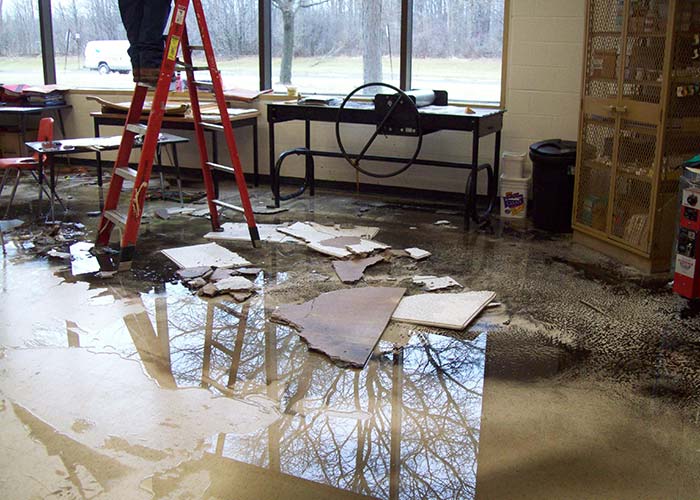
Flooding can cause sudden and overwhelming damage to residential and commercial properties. Whether the source is heavy rainfall, burst pipes, sewer backups, or storm surges, water intrusion threatens structural integrity, indoor air quality, and personal belongings. Flood damage restoration is a specialized service designed to remove excess water, dry affected areas, sanitize surfaces, and restore the property to a safe and functional condition. Allied Carpet & Floor Restoration provides professional solutions that address immediate damage while preventing long term complications. Understanding how flood damage affects a property and how professional restoration works is essential for making informed decisions during an emergency.
Understanding Flood Damage and Its Impact
Flood damage is not limited to visible standing water. Moisture penetrates walls, flooring, insulation, and furniture within minutes, creating an environment where mold, bacteria, and structural decay can develop rapidly. Electrical systems may become hazardous, wooden materials can warp or rot, and carpeting can trap contaminants. Without timely intervention, secondary damage often exceeds the original loss. Professional flood damage restoration focuses on addressing both surface water and hidden moisture to reduce risks and stabilize the property.
Common Causes of Flood Damage
Flooding can originate from various sources, each presenting unique challenges. Severe storms may overwhelm drainage systems, while plumbing failures can release large volumes of water indoors. Appliance malfunctions such as washing machine leaks or water heater failures are also common causes. Sewage backups introduce additional health risks due to contaminated water. Restoration professionals evaluate the source and category of water damage to determine the appropriate cleaning, drying, and sanitization methods required for safe recovery.
The Flood Damage Restoration Process
Effective restoration follows a structured process that begins with a thorough inspection. Technicians assess the extent of water intrusion, identify affected materials, and create a customized restoration plan. Immediate water extraction is performed using industrial pumps and vacuums to prevent further saturation. Once standing water is removed, drying and dehumidification begin to eliminate trapped moisture. Flood damage restoration also includes cleaning, disinfecting, and restoring materials whenever possible to minimize replacement costs.
Water Extraction and Drying
Rapid water removal is critical to reducing damage. High powered extraction equipment removes large volumes of water quickly, while air movers and commercial dehumidifiers accelerate evaporation. Moisture meters and thermal imaging tools help technicians detect hidden dampness behind walls and under flooring. Proper drying not only protects structural components but also limits the potential for mold growth and odor issues.
Mold Prevention and Microbial Control
One of the most serious risks after flooding is mold growth. Mold spores thrive in damp environments and can begin developing within 24 to 48 hours. Restoration teams apply antimicrobial treatments to affected areas to inhibit microbial activity. Containment measures may be used to prevent cross contamination, especially in severe cases. Flood damage restoration services prioritize indoor air quality by addressing moisture at its source and ensuring thorough sanitation.
Air Quality and Health Considerations
Floodwater often carries contaminants that compromise indoor air quality. Dust, allergens, and bacteria become airborne during the drying process if not properly managed. Professional restoration includes air filtration and ventilation strategies to protect occupants. Addressing air quality is essential for preventing respiratory irritation and long term health concerns, particularly for children, elderly individuals, and those with allergies or asthma.
Structural and Material Restoration
Flooding can weaken structural components such as drywall, subflooring, and support beams. Restoration professionals evaluate which materials can be salvaged and which must be removed. Wet drywall may need partial replacement, while hardwood flooring may require drying, refinishing, or replacement depending on saturation levels. Flood damage restoration aims to preserve as much of the original structure as possible while ensuring safety and stability.
Carpet and Flooring Recovery
Carpets and flooring are often among the most affected materials during flooding. Water saturation can lead to staining, odor retention, and fiber breakdown. Professional cleaning methods, including hot water extraction and specialized drying techniques, may restore carpets if addressed promptly. Flooring materials such as tile, vinyl, and laminate require tailored approaches to prevent delamination or mold beneath surfaces. Restoration specialists determine the best course of action based on material type and water exposure.
Contents Cleaning and Restoration
Personal belongings often hold both monetary and sentimental value. Furniture, textiles, electronics, and documents can suffer significant damage from water exposure. Professional contents restoration services focus on cleaning, drying, and deodorizing salvageable items. Advanced techniques such as ultrasonic cleaning and controlled drying chambers improve recovery outcomes. Flood damage restoration extends beyond the building itself to include careful handling of personal property.
Odor Removal and Deodorization
Persistent odors are common after flooding due to moisture, organic debris, and microbial growth. Restoration teams use professional deodorization methods to neutralize odors at their source rather than masking them. Techniques may include thermal fogging, air scrubbing, and specialized treatments designed to break down odor causing compounds. Effective odor control is a critical final step in the restoration process.
Emergency Response and Timely Action
Time is a critical factor when dealing with flood damage. Delayed response allows water to spread, increasing repair costs and health risks. Emergency restoration services provide rapid assistance to stabilize the property, prevent secondary damage, and begin recovery immediately. Allied Carpet & Floor Restoration offers prompt response capabilities to address urgent flood damage situations and protect affected properties.
Insurance Coordination and Documentation
Navigating insurance claims after flooding can be complex. Restoration professionals assist by documenting damage, providing detailed reports, and communicating with insurance adjusters. Accurate documentation helps ensure fair claim settlements and reduces administrative stress for property owners. Flood damage restoration companies often act as a bridge between clients and insurers to streamline the recovery process.
Long Term Protection After Flood Damage
Once restoration is complete, preventive measures help reduce the risk of future flooding. Improving drainage, sealing foundation cracks, and maintaining plumbing systems are essential steps. Installing sump pumps and water detection devices provides early warnings and protection. Restoration professionals often offer guidance on long term strategies to safeguard properties against future water damage.
Choosing a Trusted Restoration Provider
Selecting a qualified restoration company is essential for effective recovery. Experience, certification, and access to advanced equipment are key factors to consider. A reputable provider delivers comprehensive flood damage restoration services that address water removal, drying, cleaning, and repairs. Allied Carpet & Floor Restoration demonstrates expertise through professional standards, skilled technicians, and a commitment to customer satisfaction.
Residential Flood Damage Restoration
Homes affected by flooding require sensitive and thorough restoration. Living spaces, bedrooms, and kitchens must be returned to safe conditions quickly to minimize disruption. Restoration professionals work efficiently to dry structures, clean surfaces, and restore comfort. Flood damage restoration in residential settings prioritizes safety, cleanliness, and the emotional well being of occupants.
Commercial Flood Damage Restoration
Businesses face additional challenges after flooding, including operational downtime and revenue loss. Commercial restoration services focus on rapid recovery to minimize interruptions. Large scale water extraction, structural drying, and sanitization allow businesses to reopen safely. Flood damage restoration for commercial properties emphasizes efficiency, compliance, and long term protection.
The Final Stages of Restoration
Final restoration steps include detailed inspections, final cleaning, and verification that moisture levels are within safe ranges. Technicians ensure repairs meet quality standards and that the environment is safe for occupancy. The goal is to return the property to its pre loss condition or better. Flood damage restoration is considered complete only when safety, functionality, and comfort are fully restored.
Commitment to Quality and Safety
Professional restoration is guided by industry standards and best practices. Technicians use protective equipment, approved cleaning agents, and proven methods to deliver reliable results. Continuous monitoring throughout the process ensures no hidden moisture or contamination remains. Quality control is essential for long term success in flood damage recovery.
Conclusion
Flooding can disrupt lives and cause extensive property damage, but professional restoration offers a path to recovery. From water extraction and drying to cleaning, repairs, and prevention, flood damage restoration addresses every aspect of water related loss. Allied Carpet & Floor Restoration remains dedicated to delivering reliable, efficient, and safe restoration services that help property owners recover with confidence.
Call to Action
If your home or business has been affected by flooding, immediate professional help is essential. Call Now and Contact Allied Carpet & Floor Restoration today for expert flood damage restoration services. Their experienced team is ready to respond quickly, protect your property, and restore your space safely and efficiently.