
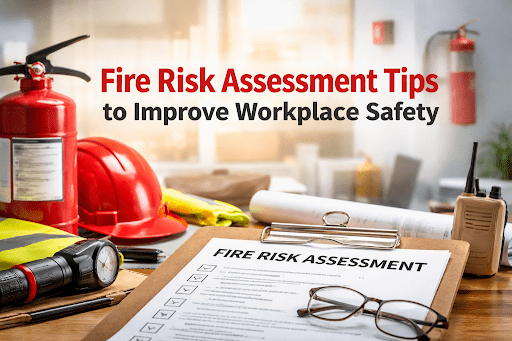
A fire risk assessment is a crucial process for identifying potential fire hazards in any workplace. It evaluates risks to both people and property, helping organizations implement strategies to prevent fires and minimize damage.
Conducting a thorough assessment ensures compliance with local fire safety regulations and promotes a culture of safety among employees.
In this article, we will explore the purpose, process, benefits, and best practices for fire risk assessments, helping businesses understand why this proactive measure is essential for workplace safety and risk management.
Understanding Fire Risk Assessment
Fire risk assessment involves systematically examining the workplace to identify fire hazards and assess the risk they pose. Hazards may include flammable materials, electrical equipment, or areas prone to overheating. The process also evaluates how these hazards could affect employees and visitors, taking into account factors like evacuation routes and emergency preparedness.
A comprehensive assessment identifies vulnerable areas and recommends measures to reduce the likelihood and impact of fires. Regular reassessments are necessary, as workplaces change over time. By understanding fire risks, businesses can create targeted prevention strategies that protect both human life and property effectively.
Legal Requirements and Compliance
Most countries require businesses to conduct fire risk assessments to comply with fire safety regulations. Employers are legally obligated to ensure a safe environment, provide fire safety training, and maintain appropriate fire-fighting equipment. Non-compliance can result in penalties, fines, or legal action in case of an incident. A documented fire risk assessment demonstrates a company’s commitment to safety and adherence to the law. Additionally, it can reduce insurance premiums and liability exposure. Businesses must stay updated on local legislation, regularly review policies, and implement recommended safety measures. Compliance not only avoids legal trouble but also fosters trust among employees and stakeholders.
Key Steps in Conducting a Fire Risk Assessment
Conducting a fire risk assessment requires a structured approach. First, identify potential hazards such as flammable materials, faulty wiring, and machinery that may overheat. Next, evaluate the likelihood and impact of a fire occurring, considering staff numbers, layout, and emergency accessibility.
Then, implement measures to reduce risks, including proper storage, fire alarms, and staff training. Finally, document findings, create an action plan, and schedule regular reviews. Each step must be thorough, involving multiple team members if possible, to ensure no detail is overlooked. Following a systematic process ensures accurate risk evaluation and effective safety measures.
Common Workplace Fire Hazards
Fire hazards are present in virtually every workplace, often going unnoticed. Electrical faults are a frequent cause, especially outdated wiring or overloaded sockets. Flammable liquids, gases, and paper storage can quickly escalate small fires into major incidents. Human error, such as careless smoking or misuse of equipment, also contributes to fire risk.
Additionally, blocked escape routes or improperly maintained fire doors can increase the danger. Identifying these hazards through a fire risk assessment allows businesses to implement preventive measures, such as regular inspections, safe storage practices, and employee awareness campaigns. Proactive management of hazards is key to maintaining workplace safety.
Benefits of Regular Fire Risk Assessments
Regular fire risk assessments offer numerous benefits beyond legal compliance. They protect employees and visitors by identifying and mitigating potential hazards. Preventive measures reduce property damage and operational downtime in case of a fire. Insurance companies may offer lower premiums when businesses demonstrate proactive safety management.
Additionally, these assessments help instill a safety culture, encouraging staff to remain vigilant and follow safety protocols. Periodic reassessments also adapt to changes in the workplace, such as new equipment or structural modifications. Overall, regular fire risk assessments strengthen organizational resilience and minimize financial and reputational losses due to fire incidents.
Fire Safety Measures and Prevention Strategies
Once risks are identified, implementing safety measures is essential. Effective strategies include installing smoke detectors, fire alarms, and sprinkler systems, as well as maintaining accessible extinguishers. Clear signage, marked escape routes, and regular fire drills prepare employees for emergencies.
Staff training on proper fire response and equipment use ensures a swift and coordinated reaction. Additionally, reducing hazards through safe storage, routine maintenance, and controlling ignition sources minimizes the chance of fire. Combining preventive measures with employee awareness creates a comprehensive approach, significantly lowering the likelihood of incidents and enhancing overall workplace safety.
Training and Employee Awareness
Employees play a vital role in fire prevention. Training programs educate staff on identifying hazards, using fire-fighting equipment, and following evacuation procedures. Regular fire drills reinforce knowledge, reduce panic during emergencies, and improve response times. Awareness campaigns, such as posters or safety briefings, remind employees of potential risks and best practices.
Involving employees in the assessment process can also uncover hazards that management may overlook. Well-informed staff are more likely to act responsibly, report unsafe conditions, and contribute to a safer workplace environment. Investing in training and awareness is a cost-effective strategy that saves lives and reduces fire-related risks.
Monitoring and Reviewing Fire Safety Plans
A fire risk assessment is not a one-time task. Continuous monitoring and periodic reviews ensure safety measures remain effective. Workplaces evolve, and new hazards may arise from equipment changes, structural modifications, or increased staff. Regular audits, inspections, and updates to fire safety plans maintain compliance and minimize risks.
Documenting changes and communicating updates to all employees is crucial for consistent safety practices. Monitoring also includes testing fire alarms, extinguishers, and emergency lighting to ensure functionality. By keeping fire safety plans dynamic and up-to-date, businesses create a resilient environment capable of preventing or responding effectively to fire incidents.
Conclusion
Fire risk assessment is an essential tool for workplace safety, protecting both people and property. By identifying hazards, complying with regulations, and implementing effective prevention strategies, businesses can significantly reduce fire risks.
Regular assessments, employee training, and continuous monitoring create a proactive safety culture that benefits everyone. Ignoring fire risks not only endangers lives but also exposes organizations to legal and financial consequences. Prioritizing fire risk assessment ensures preparedness, peace of mind, and a safer working environment for all.
FAQ Description
What is a fire risk assessment?
A fire risk assessment is the process of identifying fire hazards, evaluating risks, and implementing measures to reduce the likelihood and impact of fires in a workplace.
Why is it necessary?
It ensures workplace safety, compliance with fire regulations, reduces insurance risks, and helps prevent property damage and loss of life.
How often should it be conducted?
A fire risk assessment should be reviewed at least annually, or whenever changes in equipment, layout, or operations occur.
Who should perform it?
Trained fire safety officers, external experts, or knowledgeable management staff should conduct thorough assessments.
What are common fire hazards?
Electrical faults, flammable materials, blocked escape routes, and human error are among the most frequent workplace fire hazards.