
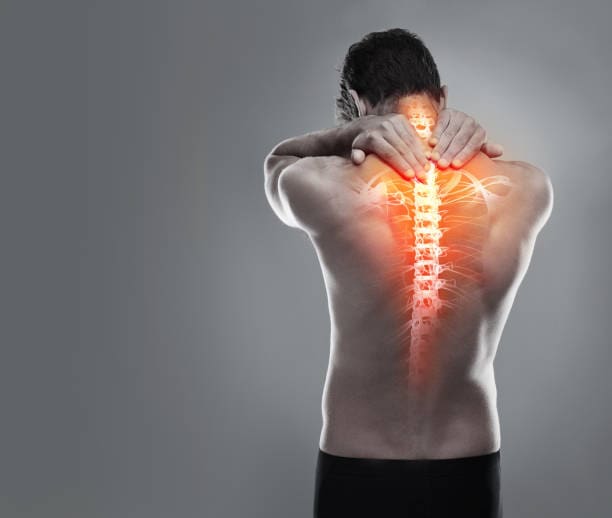
There is perhaps no greater frustration in the world of healthcare than undergoing a major surgical procedure, bracing yourself for a long recovery, and then realizing that the pain you hoped to leave behind is still very much present. For many, spine surgery is seen as the finish line of a long marathon of discomfort. When that finish line keeps moving, it can lead to a sense of defeat and confusion. This experience is often categorized under a clinical term that sounds quite intimidating: Failed Back Surgery Syndrome, or simply Failed Back Syndrome.
Despite its name, Failed Back Syndrome does not necessarily mean that the surgeon made a mistake or that the patient did something wrong during recovery. It is a complex condition where a patient continues to experience chronic pain in the back or legs after one or more spinal surgeries. If you are currently navigating this reality, it is important to know that you are not alone and that this is not the end of your journey toward a better quality of life.
What Exactly is Failed Back Syndrome?
Failed Back Syndrome is an “umbrella term” used to describe a variety of post operative outcomes. In some cases, the original pain never truly left. In others, a new type of pain emerges weeks or months after a period of initial relief. It is a frustrating puzzle for both the patient and the medical team because the spine is an incredibly intricate structure where tiny changes can have significant effects.
The causes of this syndrome are diverse. It could be that the surgery was performed at the wrong level of the spine, or perhaps scar tissue, known as epidural fibrosis, has formed around the nerve roots, causing new irritation. Sometimes, the spine fails to fuse properly in a fusion procedure, or a new disc herniation occurs at a level adjacent to the original surgery. Regardless of the cause, the result is a persistent cycle of pain that requires a specialized approach to break.
The Emotional Toll of Persistent Pain
Before diving into the medical side of things, it is worth acknowledging the mental and emotional weight of this condition. When you commit to spine surgery, you invest a lot of hope and physical effort into the process. To come out the other side still hurting can feel like a betrayal of that investment. It is common for patients to feel a sense of “medical fatigue,” where the thought of seeing another doctor or trying another therapy feels exhausting.
Acknowledging this emotional aspect is a key part of healing. Managing chronic pain is just as much about mental resilience and finding the right support system as it is about physical treatments. Understanding that your pain is real and that there are biological reasons for it can be the first step in reclaiming your sense of agency.
Diagnosing the Root Cause
When someone presents with persistent pain after surgery, the first goal is to find out why. A specialist will perform a “diagnostic deep dive.” This involves comparing pre operative imaging with new scans to see what has changed. They look for signs of instability, nerve compression, or hardware issues.
Often, the physical exam is the most revealing part of the visit. By checking your gait, your reflexes, and the specific areas where you feel tenderness, a doctor can determine if the pain is coming from the site of the surgery, a different part of the back, or even the sacroiliac joints, which are often overlooked.
Finding the right path forward requires a partner who understands the nuances of revision surgery and complex pain management. This is where specialized expertise becomes invaluable. Many patients find hope through NaPier’s Failed Back Syndrome Solutions, which focus on identifying the exact “pain generator” and creating a roadmap that avoids the pitfalls of previous treatments. The goal is to move away from guesswork and toward a precision based plan.
Non Surgical Paths to Improvement
The word “surgery” is in the name of the syndrome, but that does not mean more surgery is the only answer. In fact, many specialists prefer to exhaust every possible non operative option before suggesting a revision.
- Advanced Physical Therapy: This goes beyond basic exercises. It involves retraining the body to move in ways that do not aggravate sensitive nerve endings or scar tissue.
- Nerve Blocks and Ablations: These procedures can “turn off” the pain signals from specific nerves, providing a window of relief that allows for more effective rehabilitation.
- Spinal Cord Stimulation: This is a modern technology where a small device sends electrical pulses to the spinal cord, masking pain signals before they reach the brain. It is often a game changer for those with radiating leg pain.
- Medication Management: Using non opioid medications that specifically target nerve pain can help stabilize the nervous system.
When Revision Surgery is Necessary
In some cases, a structural issue is so clear that a revision surgery is the most logical step. This might involve removing old hardware that has loosened, decompressing a nerve that was missed, or extending a fusion to a level that is now under stress.
The approach to revision surgery is vastly different from a first time procedure. It requires navigating through existing scar tissue and often uses advanced robotic or navigation technology to ensure extreme precision. The goal is to stabilize the spine while minimizing further trauma to the surrounding tissues.
Conclusion
Failed Back Syndrome is a difficult chapter in anyone’s life, but it does not have to be the final one. The human body is remarkably resilient, and medical science is constantly evolving with new ways to address chronic spinal issues. The key is to find a specialist who listens to your story, validates your experience, and offers a comprehensive strategy rather than a one size fits all fix. With the right combination of patience, modern technology, and expert guidance, it is possible to turn the corner and find the relief you have been seeking.
Frequently Asked Questions
- Does Failed Back Syndrome mean my first surgeon did something wrong?
Not necessarily. Many factors contribute to the outcome of a surgery, including the patient’s underlying bone quality, the way their body forms scar tissue, and the natural progression of spinal aging. While surgical error can happen, it is just one of many potential reasons for persistent pain. - Can scar tissue cause pain?
Yes. As the body heals, it creates fibrous tissue. In some people, this tissue can wrap around nerve roots or bind them to the surrounding bone, causing a pulling or pinching sensation that mimics the original pain of a herniated disc. - What is the success rate of a second spine surgery?
Success rates for revision surgeries are generally lower than for initial surgeries, but they can still be very effective if a clear, fixable structural problem is identified. This is why a thorough diagnostic process is so vital before deciding on a second operation. - How long should I wait after surgery before worrying that it “failed”?
Nerves take a long time to heal. It is common to have “flare ups” or lingering symptoms for several months after a procedure. However, if your pain is worsening after the first six to eight weeks, or if you have no relief at all, you should schedule a follow up with a specialist. - Is Spinal Cord Stimulation a permanent solution?
A spinal cord stimulator is an implanted device that can be used for the long term. One of the best parts of this technology is that you can “test drive” it with a temporary trial to see if it works for your pain before committing to a permanent implant.