
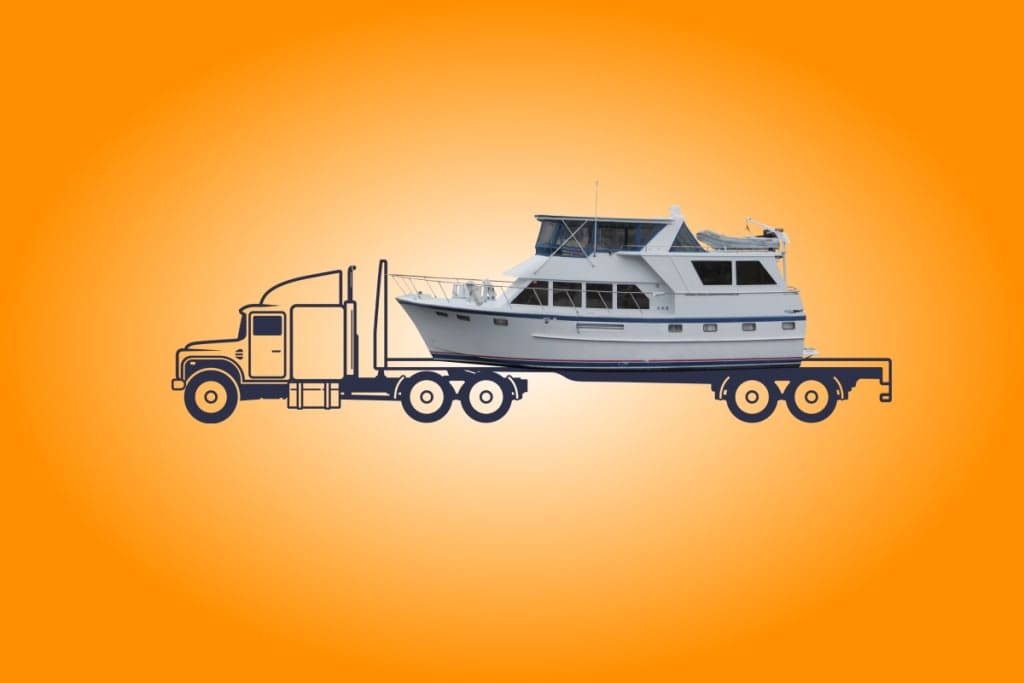
Boat transportation has become increasingly important in the United States as more individuals and businesses rely on professional services to move vessels safely across states and internationally. However, one of the most common concerns among boat owners is understanding the cost of transporting a boat.
In 2026, boat transportation costs are influenced by several evolving factors, including fuel prices, logistics technology, regulatory requirements, and the growing demand for marine transport services. Whether you are moving a small fishing boat or a luxury yacht, understanding these cost factors can help you plan effectively and avoid unexpected expenses.
Understanding Boat Transportation Costs
Boat transportation costs are not fixed; they vary significantly based on multiple variables. On average, transport rates can range between $1.50 to $4.00 per mile, depending on the size of the vessel and the complexity of the route. However, this is just a baseline—actual costs depend on a combination of factors that we will explore in detail.
Working with experienced boat transport companies ensures accurate pricing estimates and professional handling, making it easier to manage your budget and expectations.
1. Boat Size and Dimensions
The size of your boat is one of the most significant cost factors in transportation.
Why Size Matters:
- Larger boats require specialized trailers
- Oversized boats need permits and escort vehicles
- Increased labor and equipment costs
Key Measurements That Affect Cost:
- Length
- Height
- Width (especially over 8.5 feet)
- Weight
For example, a small 18-foot boat is much cheaper to transport than a 40-foot yacht. Oversized boats may also face route restrictions, adding to the overall cost.
2. Distance and Route Complexity
Distance plays a major role in determining transportation costs, but it’s not just about mileage.
Distance-Based Pricing:
- Short distances: Higher cost per mile
- Long distances: Lower cost per mile but higher total cost
Route Complexity Includes:
- Narrow roads
- Low bridges
- Mountain terrain
- Urban congestion
A straightforward highway route is far cheaper than a complex route requiring detours, escorts, or permits.
3. Type of Transport Method
The method used to transport your boat significantly affects pricing.
Common Transport Methods:
Road Transport
- Most common in the USA
- Cost-effective for domestic shipping
- Suitable for most boats
Ocean Freight
- Used for international shipping
- Includes container, flat rack, or RoRo shipping
- Higher costs due to port fees and logistics
Inland Waterway Transport
- Limited but cost-effective in certain areas
Air Freight
- Extremely expensive
- Used only for urgent or high-value transport
Each method has its own pricing structure, with road transport generally being the most economical option for domestic moves.
4. Fuel Prices and Economic Trends
Fuel costs are a major contributor to transportation expenses. In 2026, fluctuating fuel prices continue to impact the cost of boat shipping.
Key Influences:
- Diesel price fluctuations
- Inflation in logistics industries
- Supply chain disruptions
When fuel prices rise, transportation companies often increase their rates to maintain profitability. This makes timing an important factor when planning your boat transport.
5. Seasonal Demand
Boat transportation costs can vary depending on the time of year.
Peak Seasons:
- Spring (pre-boating season)
- Summer (high demand for recreational boating)
Off-Peak Seasons:
- Fall
- Winter
During peak seasons, demand for transport services increases, leading to higher prices and limited availability. Booking during off-peak periods can result in significant savings.
6. Permits and Legal Requirements
Oversized boats require special permits, which add to transportation costs.
Common Permit Requirements:
- Oversize load permits
- Escort vehicles
- Restricted travel hours
Each state has different regulations, and crossing multiple states can increase administrative costs. Professional transport providers handle these permits, but the cost is typically passed on to the customer.
7. Pickup and Delivery Locations
The accessibility of pickup and delivery locations directly impacts pricing.
Factors That Increase Costs:
- Remote or rural areas
- Difficult terrain
- Limited access for large trucks
For example, transporting a boat from a marina near a highway is cheaper than picking it up from a hard-to-reach coastal area.
8. Boat Preparation Requirements
Before transportation, boats must be properly prepared, which can involve additional costs.
Preparation May Include:
- Removing accessories (antennas, radar arches)
- Draining fluids
- Securing loose parts
- Shrink wrapping for protection
If you hire professionals to prepare your boat, this adds to the total cost but ensures safety during transit.
9. Insurance Coverage
Insurance is a crucial part of boat transportation.
Types of Coverage:
- Basic carrier insurance
- Full-value protection
- Additional coverage for high-value boats
While basic insurance is often included, additional coverage increases costs but provides peace of mind, especially for expensive vessels.
10. Type of Boat Being Transported
Different types of boats require different handling methods.
Examples:
- Fishing boats: Easier and cheaper to transport
- Sailboats: Require mast removal
- Yachts: Complex logistics and higher costs
- Pontoon boats: Wider and may require permits
The complexity of handling directly affects labor, equipment, and pricing.
11. Technology and Tracking Systems
In 2026, technology plays a growing role in boat transportation.
Modern Features:
- GPS tracking
- Real-time updates
- Automated logistics planning
While these technologies improve efficiency and transparency, they may slightly increase service costs. However, they provide better reliability and customer experience.
12. Labor and Handling Costs
Transporting a boat requires skilled labor, especially for loading and unloading.
Cost Factors:
- Crane or forklift usage
- Experienced operators
- Specialized handling teams
Larger or delicate boats require more labor, increasing overall costs.
13. International Shipping Factors
For international boat transportation, additional cost elements come into play.
These Include:
- Customs duties
- Port fees
- Documentation
- Shipping container or cradle costs
International shipping is significantly more expensive than domestic transport but is necessary for overseas relocation.
14. Urgency and Delivery Speed
If you need expedited transport, expect to pay a premium.
Expedited Shipping Includes:
- Priority scheduling
- Direct routes
- Faster delivery timelines
Standard shipping is more affordable, while urgent transport increases costs due to resource allocation.
15. Reputation of the Transport Company
The experience and reputation of the transport company also influence pricing.
Reliable providers like boat transport companies offer professional services, proper insurance, and efficient logistics. While they may charge slightly higher rates, they reduce the risk of damage and delays, ultimately saving money in the long run.
Tips to Reduce Boat Transportation Costs
Here are some practical ways to minimize your expenses:
- Book transport during off-peak seasons
- Compare multiple quotes
- Choose flexible delivery dates
- Prepare your boat yourself
- Avoid expedited shipping unless necessary
Planning ahead is the best way to secure affordable rates.
Future Trends Affecting Costs in 2026
The boat transportation industry continues to evolve, and several trends are shaping pricing:
Key Trends:
- Increased automation in logistics
- Eco-friendly transport solutions
- Rising fuel and labor costs
- Growing demand for international shipping
These trends suggest that while technology may improve efficiency, overall costs may continue to rise due to economic factors.
Conclusion
Boat transportation costs in 2026 are influenced by a wide range of factors, from boat size and distance to fuel prices and seasonal demand. Understanding these variables allows boat owners to make informed decisions and plan their transport effectively.
By working with experienced professionals, preparing your boat properly, and choosing the right timing, you can significantly reduce costs while ensuring safe and reliable delivery.
Whether you are transporting a small boat locally or shipping a yacht internationally, being aware of these cost factors will help you navigate the process with confidence and avoid unexpected expenses.