
The completion of Hajj is often viewed as the pinnacle of a believer’s life, yet for many, the conclusion of the rites is merely the beginning of a broader spiritual exploration. Beyond the crowded courtyards of the Grand Mosque, a network of historical landmarks offers a profound connection to the origins of Islam. To truly appreciate the history of the faith, many pilgrims choose to visit Madinah Munawara and the surrounding regions. This journey allows travelers to witness the physical settings of revelation, providing a tangible context to the stories found in the Qur’an. There are many essential places to visit in Madinah and Makkah that turn a standard pilgrimage into a transformative historical odyssey.
Makkah: Where the Light Began
The spiritual landscape of Makkah is defined by its rugged mountains, each holding a secret from the early days of the Prophethood.
Jabal Al-Nour and the Cave of Hira
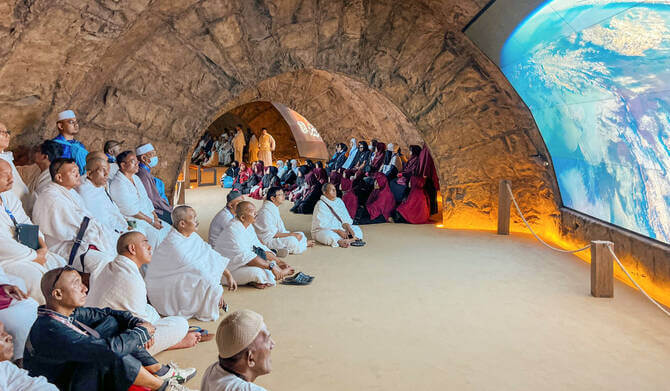
Known as the “Mountain of Light,” Jabal Al-Nour is perhaps the most significant peak in Islamic history. It was here, within the cramped confines of the Cave of Hira, that the Prophet Muhammad (PBUH) received the first divine revelation. The climb is steep, but the reward at the summit is a sense of peace that resonates through the centuries. Today, the Hira Cultural District at the foot of the mountain complements the physical climb with an intellectual one, offering high-tech galleries that detail the story of the Revelation.
Jabal Thawr: A Sanctuary of Protection
To the south of the city lies Jabal Thawr. This mountain provided a critical refuge for the Prophet and his companion, Abu Bakr as-Siddiq, during their perilous migration to Madinah. The story of the spider’s web and the nesting dove at the cave’s entrance remains a powerful symbol of divine protection. For many pilgrims, standing at the mouth of this cave is a lesson in trust and resilience.
Historic Mosques and Cemeteries
- Al-Bay’ah Mosque: A modest structure that marks the site of the Pledge of Aqabah. It represents the moment the people of Madinah pledged their lives to protect the Prophet.
- Al-Ma’la Cemetery: Located in the Al-Hajun district, this is the final resting place of Sayyidah Khadijah. Her legacy as the “Mother of the Believers” makes this a site of deep emotional reverence for visitors.
The Timeless Legacy of Madinah
While Makkah is the city of revelation, Madinah is the city of the community. Its sites reflect the establishment of the first Islamic state and the challenges faced by the early Muslims.
The Mosque of the Two Qiblas
Masjid Al-Qiblatain is a unique architectural testament to a defining shift in Muslim identity. It was here that the Prophet received the command to change the direction of prayer from Jerusalem toward Makkah. This site serves as a reminder of the importance of obedience and the unification of the Ummah under a single spiritual focus.
The Seven Mosques and the Battle of the Trench
To the west of the Prophet’s Mosque lies a cluster of small mosques known as the Seven Mosques. These are situated near the site of the Battle of the Trench (Ghazwa al-Khandaq). Each mosque is named after a prominent figure, such as Ali ibn Abi Talib or Salman Al-Farsi, who played a role in defending the city. Walking through this area allows pilgrims to visualize the strategic genius and the immense hardship endured during the siege of Madinah.
Mount Uhud: A Lesson in Valor
The crimson-hued slopes of Mount Uhud are impossible to miss. This was the site of the second major battle in Islam. The Martyrs’ Cemetery at its base holds the remains of seventy companions, including the Prophet’s uncle, Hamza ibn Abdul Muttalib. Visiting Uhud is a sobering experience, emphasizing that victory and loss are both parts of the divine trial.
Expanding the Horizon: Khaybar, Taif, and Jeddah
The spiritual trail does not end at the city limits of the two Holy Cities. The Saudi government has recently made great strides in making outlying historical sites more accessible to the public.
- Khaybar: Located northwest of Madinah, Khaybar is an oasis characterized by volcanic rocks and ancient fortifications. It was the site of a pivotal campaign that demonstrated the ethical and military leadership of the Prophet.
- Taif: This mountainous city offers a cooler climate and the historic Masjid Abdullah ibn Abbas. As one of the greatest scholars of the early era, Ibn Abbas’s legacy continues to draw seekers of knowledge to his burial place.
- Jeddah: The coastal city is home to the “Tomb of Hawa” (Eve). While its historical authenticity is a subject of scholarly debate, it remains a site of cultural and legendary significance for many travelers passing through the gateway to Makkah.
Enhancing the Pilgrim Experience
Recognizing the deep desire for historical context, new initiatives like the “Hala” program by Al-Bait Guests Co. are revolutionizing how pilgrims interact with these sites. Rather than just viewing a monument from a bus window, visitors can now engage with knowledgeable guides who provide the “Sira” (prophetic biography) context. These curated journeys ensure that the spiritual momentum built during Hajj is maintained through education and reflection.
Why Explore These Sites?
- Contextual Understanding: Seeing the terrain helps one understand the physical challenges of early Islamic history.
- Spiritual Awakening: Many find that visiting these “hidden gems” offers a quieter, more intimate connection to the faith away from the massive crowds of the main mosques.
- Cultural Enrichment: It highlights the diverse architectural and geographical heritage of the Arabian Peninsula.
Final Thoughts on the Sacred Journey
The journey of a pilgrim is never truly finished; it simply evolves. By stepping off the beaten path and climbing the rocky terrains of Makkah or walking the quiet palm groves of Madinah, believers can find a deeper layer of their identity. These sites are not merely ruins or landmarks; they are the silent witnesses to the birth of a faith that changed the world. As Saudi Arabia continues to open its heritage to the world, the opportunity to walk in the footsteps of the Prophet has never been more accessible or more meaningful.