
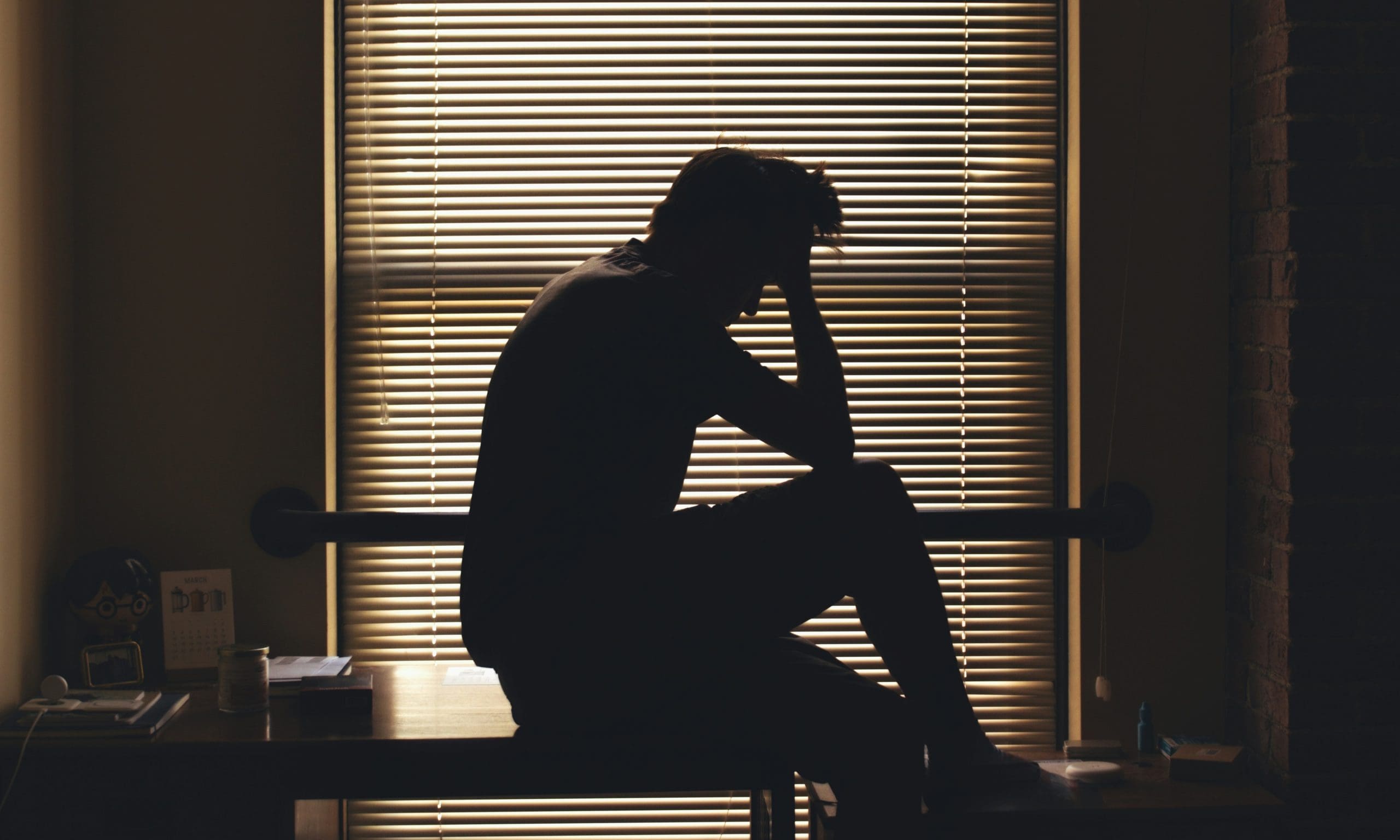
Austin, TX — In today’s fast-paced, hyper-connected world, feelings of overwhelm and sensory overload are becoming increasingly common. Leading mental health professionals at ATX Anxiety are raising awareness about Overstimulation Anxiety, a growing concern that affects individuals across age groups, impacting mental health, focus, and daily functioning.
Overstimulation Anxiety occurs when the brain is exposed to excessive sensory input, emotional stress, or digital stimuli, leading to heightened stress responses, irritability, and difficulty concentrating. As technology use, social media, and constant notifications become integral to daily life, more people are reporting symptoms of overstimulation and anxiety.
Understanding Overstimulation Anxiety
Overstimulation Anxiety is characterized by a combination of emotional, cognitive, and physical symptoms triggered by sensory or environmental overload. Common signs include:
- Racing thoughts or difficulty focusing
- Increased irritability or emotional reactivity
- Muscle tension, headaches, or fatigue
- Heightened alertness or hypervigilance
- Difficulty sleeping or relaxing
This condition is not limited to adults; children and adolescents are also susceptible, particularly in environments with excessive noise, rapid information flow, or sensory-rich experiences.
The consequences of prolonged overstimulation can be serious, contributing to chronic anxiety, emotional burnout, and reduced productivity. Experts emphasize that early recognition and intervention are key to preventing long-term complications.
Causes and Contributing Factors
Several factors contribute to Overstimulation Anxiety, including:
- Digital Overload: Constant exposure to screens, notifications, and social media updates can overstimulate the nervous system.
- Environmental Stressors: Busy workplaces, crowded urban settings, and high-noise environments can trigger heightened stress responses.
- Lifestyle and Emotional Factors: Poor sleep, high-stress schedules, and unprocessed emotional experiences can amplify the brain’s response to sensory input.
- Sensory Sensitivity: Individuals with heightened sensitivity to light, sound, or touch may experience overstimulation more acutely.
By understanding these factors, individuals can better manage triggers and take proactive steps to reduce anxiety levels.
Evidence-Based Approaches to Managing Overstimulation Anxiety
ATX Anxiety offers a range of evidence-based strategies for addressing Overstimulation Anxiety, blending therapeutic techniques with practical lifestyle adjustments. These approaches include:
- Cognitive Behavioral Therapy (CBT): Helps individuals identify and modify thought patterns that exacerbate anxiety and overstimulation.
- Mindfulness and Meditation: Encourages present-moment awareness, calming the nervous system and reducing hyperarousal.
- Sensory Regulation Techniques: Strategies like deep breathing, grounding exercises, and progressive muscle relaxation help manage physical symptoms.
- Digital Hygiene Practices: Limiting screen time, scheduling device-free breaks, and creating structured routines reduce digital overload.
- Environmental Adjustments: Modifying lighting, sound, and workspace organization can decrease sensory stress.
These interventions are designed to be personalized, ensuring individuals receive care tailored to their specific symptoms, triggers, and lifestyle.
Why Early Intervention Matters
Mental health experts emphasize that Overstimulation Anxiety can worsen if left unaddressed. Prolonged exposure to overstimulating environments can lead to chronic stress, sleep disturbances, and reduced emotional resilience. Early intervention through professional guidance, therapy, and practical coping strategies can prevent escalation and promote sustainable mental wellness.
Overstimulation Anxiety in the Workplace and Schools
Modern work and educational environments often contribute to overstimulation. Open-office layouts, constant multitasking, and heavy digital communication can trigger heightened stress responses. Similarly, classrooms with excessive noise or rapid transitions may lead to increased anxiety in children.
Experts recommend organizational strategies such as structured breaks, quiet zones, and focused task blocks to reduce overstimulation in these environments. Additionally, teaching children mindfulness and coping skills can help them navigate sensory-rich settings more effectively.
Supporting Individuals Across Life Stages
Overstimulation Anxiety does not discriminate by age or profession. ATX Anxiety emphasizes a holistic approach that supports adults, adolescents, and children alike. Programs may include family education, skill-building workshops, and therapy sessions focused on managing sensory input and regulating emotional responses.
The Role of Therapy in Long-Term Recovery
Professional therapy remains a cornerstone for treating Overstimulation Anxiety. Therapists at ATX Anxiety employ a combination of cognitive, behavioral, and experiential approaches to help individuals:
- Identify personal triggers and patterns of overstimulation
- Develop adaptive coping strategies
- Reduce physiological arousal through relaxation techniques
- Build resilience against future sensory overload
These interventions are complemented by home practice and lifestyle adjustments, ensuring that clients can maintain progress outside of therapy sessions.
Additional Resources and Online Support
To expand access, ATX Anxiety provides educational resources, online guidance, and virtual consultations. These services allow individuals experiencing Overstimulation Anxiety to receive professional support regardless of location, fostering timely intervention and consistent care.
Promoting Awareness and Reducing Stigma
Raising awareness about Overstimulation Anxiety is crucial in encouraging individuals to seek help. Many people dismiss their symptoms as simple stress or fatigue, delaying treatment. By highlighting the neurological and emotional basis of overstimulation, mental health professionals aim to normalize seeking therapy and support.
Public campaigns, educational workshops, and digital resources help demystify the condition, equipping individuals and communities with the knowledge to identify symptoms and seek appropriate care.
Conclusion: Taking Control of Overstimulation Anxiety
As society becomes increasingly fast-paced and digitally connected, Overstimulation Anxiety will continue to affect a growing number of people. By recognizing symptoms, understanding triggers, and utilizing evidence-based strategies, individuals can stabilize their nervous system, reduce anxiety, and improve overall quality of life.
ATX Anxiety remains committed to helping individuals in Texas and beyond navigate the challenges of overstimulation, providing professional, personalized care designed for long-term mental wellness. Through a combination of therapy, lifestyle guidance, and educational resources, individuals can regain balance, resilience, and emotional stability.
About ATX Anxiety
ATX Anxiety is a Texas-based mental health practice specializing in anxiety disorders, depression, trauma, and overstimulation. The clinic provides evidence-based, personalized care aimed at promoting long-term mental well-being across diverse populations.
Phone no: 512-761-8521
Email address: info@atxanxiety.com
Website: https://atxanxiety.com/