
Unlock superior performance with Wide Temperature SATA SSD! 🔥 This comprehensive guide helps you experience the ultimate SSD power! 💻🚀
Modern data-driven systems rely heavily on storage components that maintain stability under sustained workloads. Conventional solid-state drives perform well within controlled indoor environments, yet many industrial and commercial systems operate under extreme heat or cold. This gap led to the development of wide-temperature SATA SSDs, engineered to function reliably across extended thermal ranges.
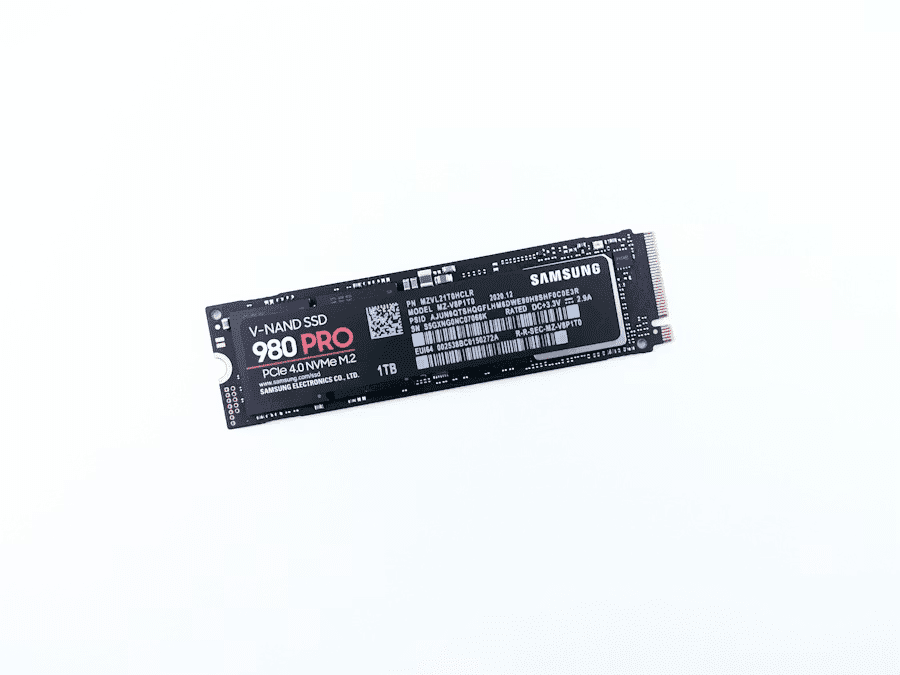
Wide-temperature SATA SSDs typically operate between -40°C and 85°C, supporting installations exposed to harsh climates, vibration, or enclosed hardware assemblies. Their design focuses on thermal resilience, data stability, and long-term endurance rather than peak consumer performance alone. As automation, edge computing, and real-time analytics continue to expand, storage solutions capable of maintaining consistency under environmental stress have gained increasing relevance.
This guide presents a structured explanation of wide-temperature SATA SSD technology, practical benefits, application scenarios, and selection guidance.
Understanding SATA SSD Technology
Definition and Development Background
A SATA SSD, or Serial Advanced Technology Attachment Solid State Drive, stores data using flash memory rather than mechanical components. The SATA interface emerged as a replacement for parallel ATA standards and became widely adopted across computing platforms. SATA SSDs gained popularity by offering faster data access, reduced mechanical failure risk, and quieter operation compared to hard disk drives.
Wide-temperature variants build upon this foundation by integrating components rated for extended thermal tolerance, making them suitable for environments outside controlled office conditions.
How SATA SSDs Operate
SATA SSDs store information within NAND flash memory cells managed by a controller that handles data allocation, error correction, and wear distribution. The SATA interface facilitates communication between the drive and the host system. Electronic data access eliminates delays caused by moving parts, supporting stable performance across repeated read and write cycles.
Wide-temperature models apply firmware optimisation and component selection that maintain operational stability during temperature swings.
Advantages of SATA SSD Adoption
SATA SSDs offer reduced access latency, faster boot sequences, lower power draw, and compact physical dimensions. These traits support system responsiveness and long-term reliability across a range of computing platforms, from embedded controllers to enterprise servers.
Significance of a Wide Temperature Operating Range
Meaning of Wide Temperature Support
A wide-temperature range refers to the ability of hardware components to function reliably across extreme low and high temperatures without performance degradation or data loss. This capability becomes especially relevant within outdoor systems, sealed enclosures, or industrial equipment exposed to variable climates.
Influence on SATA SSD Performance
Temperature fluctuations directly affect electronic behaviour, including signal stability and memory retention. Wide-temperature SATA SSDs use industrial-grade components and thermal management techniques that preserve read/write consistency during thermal stress. This stability supports reliable operation during cold starts, prolonged heat exposure, and rapid environmental transitions.
Practical Scenarios Where Wide-Temperature SSDs Add Value
Wide-temperature SATA SSDs support systems deployed in manufacturing plants, roadside infrastructure, vehicles, mining equipment, renewable energy installations, and remote monitoring stations. These environments demand storage devices capable of continuous operation without climate-controlled protection.
Relationship Between SATA SSDs and Thermal Resilience
Impact of Temperature on Storage Performance
Extreme heat can accelerate wear on flash memory cells, leading to reduced lifespan. Extreme cold may slow electronic response times. Wide-temperature SATA SSDs mitigate these effects through temperature-rated components, advanced firmware logic, and controlled power regulation.
Technical Principles Behind Thermal Stability
Thermal stability arises from careful component selection, controller design, and firmware calibration. Flash memory used in wide-temperature SSDs undergoes validation under thermal cycling tests. Controllers dynamically adjust operations to maintain data consistency across temperature variations.
Industry Applications and Tangible Benefits
Wide-temperature SATA SSDs support uninterrupted data access in automotive control units, telecom base stations, industrial gateways, and smart grid infrastructure. Their durability supports long deployment cycles with minimal maintenance requirements.
Selecting a Suitable Wide Temperature SATA SSD
Key Attributes to Evaluate
The wide-temperature sata ssd selection involves examining operating temperature range, endurance ratings, error correction capabilities, power consumption characteristics, and form factor compatibility. Manufacturer track record and product lifecycle support also influence long-term deployment value.
Comparison of Leading Market Options
Market offerings vary by endurance class, interface compatibility, and thermal certification. Industrial-grade models typically prioritise sustained reliability over peak transfer speeds. Evaluating technical specifications alongside environmental requirements supports informed purchasing decisions.
Pre-Purchase Assessment Factors
Storage capacity requirements should align with projected data growth. Compatibility with existing hardware platforms prevents integration challenges. Warranty coverage and vendor support policies assure extended operational timelines.

Maximising Performance from Wide Temperature SATA SSDs
Installation Practices
Proper installation supports stable operation across temperature extremes. Secure mounting reduces vibration impact. Adequate airflow and thermal spacing assist in maintaining consistent operating conditions. Firmware updates from manufacturers often improve long-term stability.
Maintenance Guidelines
Routine system checks, firmware monitoring, and environmental inspections contribute to sustained performance. Monitoring drive health metrics helps detect potential issues early, supporting proactive system management.
Troubleshooting Strategies
Storage-related issues often stem from connection integrity, firmware mismatches, or power fluctuations. Reviewing system logs, validating interface compatibility, and applying manufacturer diagnostics assist in resolving common concerns.
Case Studies and User Experiences
Business Performance Improvements
Industrial organisations deploying wide-temperature SATA SSDs report improved system uptime and reduced maintenance cycles. Manufacturing control systems benefit from stable data access across production shifts, supporting consistent operational output.
Individual User Feedback
Professionals working with outdoor equipment, mobile platforms, or field-based systems note improved reliability following the transition to wide-temperature SATA SSDs. These experiences highlight consistent data access under challenging conditions.
Conclusion
Wide-temperature SATA SSDs provide dependable storage performance across environments that challenge standard hardware. Their ability to operate across extended thermal ranges supports industrial automation, transportation systems, and remote infrastructure where environmental control remains limited. By aligning system requirements with properly rated storage solutions, organisations and users gain consistent data handling, reduced operational disruption, and long-term deployment stability.