
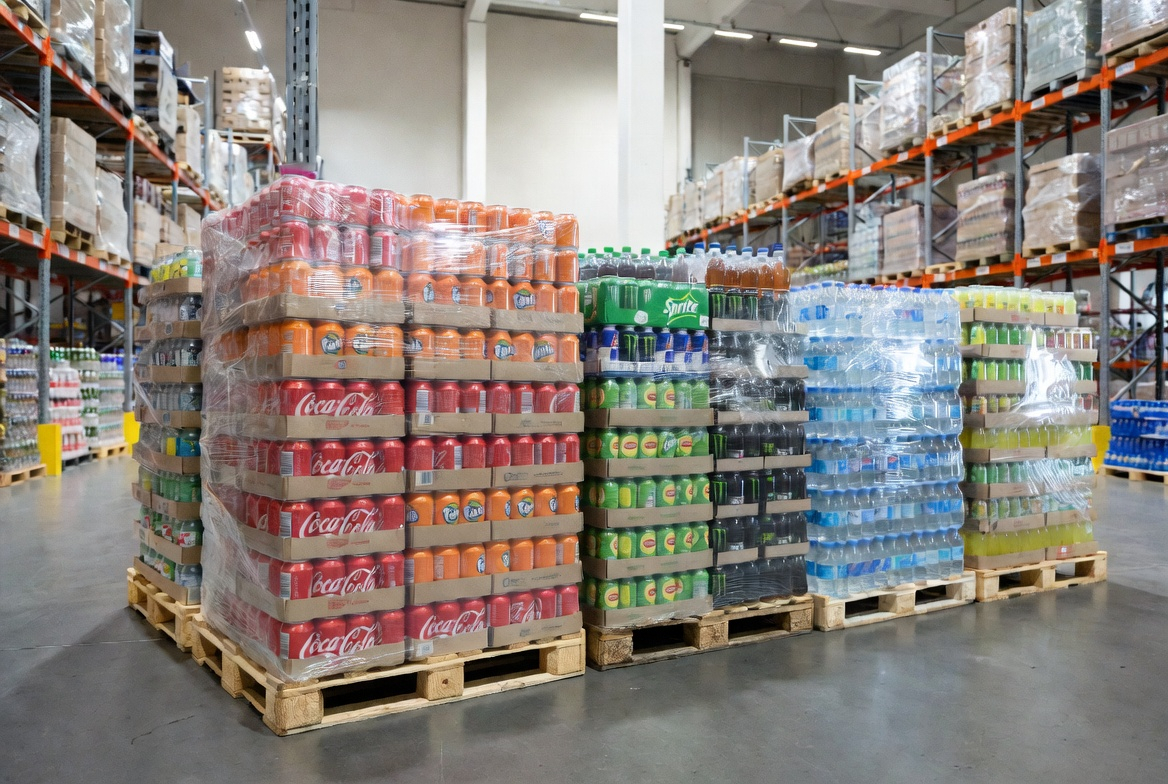
The European beverage market continues to show strong growth in 2026, driven by consistent consumer demand across soft drinks, energy drinks, bottled water, and ready-to-drink beverages. For wholesalers, distributors, and importers, one of the key challenges remains securing a reliable and structured supply chain.
As demand increases across multiple European markets, businesses are placing greater focus on supplier reliability, logistics coordination, and long-term sourcing strategies.
Growing Demand Across Beverage Categories
The beverage sector in Europe is supported by several high-performing categories:
- Carbonated soft drinks
- Energy drinks
- Bottled and sparkling water
- Juice-based beverages
- Iced tea products
These categories continue to experience steady demand across retail, horeca, and vending channels. Market consistency has made beverages one of the most stable product segments for wholesale and distribution businesses.
Shift Toward Structured Supply Partnerships
In recent years, businesses have moved away from short-term sourcing toward more structured supplier relationships. This shift is largely driven by the need for:
- Consistent product availability
- Predictable logistics timelines
- Transparent commercial terms
- Scalable ordering processes
Companies that rely on fragmented supply chains often face delays, inventory gaps, and operational inefficiencies.
Logistics and Delivery as a Key Factor
Logistics has become a central element in beverage distribution across Europe. Businesses are increasingly evaluating suppliers based on their ability to manage delivery efficiently.
Important factors include:
- Clear delivery timelines
- Defined shipping terms such as DAP and DDP
- Coordination with established logistics partners
- Reliable communication throughout the delivery process
For many importers and distributors, logistics performance is now just as important as product availability.
Minimum Order Structures and Market Entry
Another trend observed in 2026 is the flexibility of minimum order quantities for new buyers. While bulk purchasing remains standard, some suppliers are introducing lower entry thresholds to support new partnerships.
This allows smaller distributors and emerging businesses to enter the market while gradually scaling their operations.
Risk Management in Supplier Selection
Businesses are becoming more cautious when selecting suppliers, focusing on risk reduction and operational stability. Common evaluation criteria include:
- Company registration and compliance
- Product range and category coverage
- Communication quality
- Quotation transparency
- Supply consistency
This structured approach helps reduce risks associated with unreliable sourcing.
Outlook for the European Beverage Industry
The outlook for the European beverage market remains positive. Demand is expected to continue growing, particularly in energy drinks and premium beverage segments.
Companies that invest in reliable supply chains and long-term partnerships are likely to maintain a competitive advantage in an increasingly structured market environment.
Industry Perspective
Industry observers note that businesses are no longer focused solely on pricing when selecting suppliers. Instead, the emphasis has shifted toward reliability, logistics capability, and the ability to support long-term growth.
As the market evolves, supply chain efficiency is becoming a defining factor for success in the European beverage sector.
About the Author
Woove Beverage is a Germany-based B2B supplier supporting beverage distribution across Europe. The company focuses on structured supply, logistics coordination, and multi-category beverage sourcing for wholesalers, distributors, and importers.
Website: Woove Beverage Official Website