
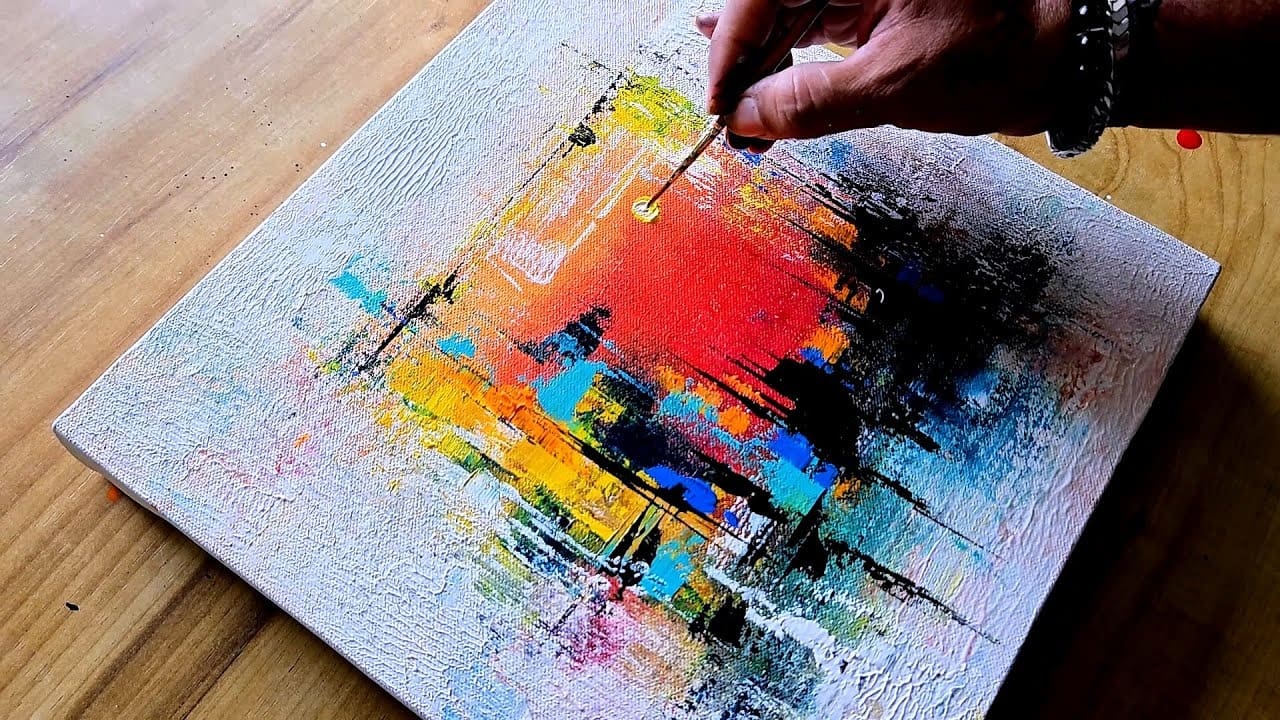
acrylic painting techniques are at the heart of creating visually striking and professional-quality canvas artwork. From beginners experimenting with the medium to experienced artists refining their style, mastering these techniques can dramatically improve texture, layering, and color blending, resulting in dynamic and engaging pieces that stand out.
Why Acrylic Paint is Popular Among Artists
Acrylic paint is one of the most versatile and widely used mediums in modern art. It dries quickly, is water-soluble for easy cleanup, and can be applied in a variety of ways, from thin transparent washes to thick, textured layers. This versatility allows artists to experiment with multiple techniques and achieve a range of visual effects that are ideal for contemporary and traditional artwork alike.
One of the reasons acrylic painting techniques are so valuable is their adaptability. You can use acrylics for realism, abstract art, mixed media projects, or large-scale canvases, giving artists endless creative possibilities.
Mastering Texture in Acrylic Painting
Texture is a key element that adds depth and dimension to a painting. Artists can create texture in numerous ways, including:
- Impasto Technique: Applying thick layers of paint to build a three-dimensional surface.
- Palette Knives and Sponges: Tools that allow for unique marks and textures.
- Mixed Media Additions: Incorporating gels, sand, or fabric for a tactile effect.
Textured acrylic paintings engage viewers visually and physically, as light interacts with the raised surfaces to produce dynamic shadows and highlights. This makes each piece a compelling focal point in any space.
Layering: Building Depth and Complexity
Layering is essential in acrylic painting to achieve depth, richness, and subtle nuances in color. Because acrylics dry quickly, artists can build multiple layers in a short period. This technique allows for experimentation without long waiting periods between applications.
A common approach begins with an underpainting to establish tonal values and composition. Subsequent layers refine details, enhance color vibrancy, and build texture. Using glazes—thin transparent layers of paint—can add luminosity and smooth transitions, enhancing the painting’s overall visual impact.
Color Blending Techniques
Color blending is crucial for creating realistic and harmonious effects. Although acrylics dry faster than oils, several techniques make blending manageable:
- Wet-on-Wet: Applying new paint onto a still-wet surface for seamless transitions.
- Blending Mediums: Extend drying time to allow smooth gradients and subtle color shifts.
- Layered Blending: Building color depth through successive transparent or semi-transparent layers.
A strong understanding of color theory enhances blending, allowing artists to combine complementary, analogous, or contrasting colors effectively. This results in compositions that are visually appealing and emotionally resonant.
Incorporating Modern Trends in Acrylic Painting
Current acrylic painting trends focus on minimalism, abstract forms, and earthy color palettes. Many contemporary artists are experimenting with organic shapes, geometric compositions, and layered textures to create dynamic works that suit modern interiors.
There is also an increasing interest in eco-conscious art. Artists now use non-toxic materials and sustainable mediums to minimize environmental impact while maintaining creative expression. Digital platforms have further expanded visibility for artists, allowing them to showcase their acrylic paintings to a global audience and gain recognition.
Inspiration from Abstract Textured Art
For artists seeking to understand how acrylic techniques translate into sophisticated contemporary artwork, this bronze sculptures investment review offers a perfect example. Its warm earthy tones, flowing contours, and layered textures demonstrate how skillful use of acrylic painting techniques can create depth, movement, and visual harmony. Studying such pieces can inspire both technique and conceptual development in your own work.
Tips for Applying Acrylic Painting Techniques Effectively
- Experiment with Tools: Brushes, palette knives, sponges, and other implements each produce unique textures.
- Understand Drying Times: Plan layering and blending around acrylics’ quick drying to avoid streaks or unwanted blending.
- Use Mediums Wisely: Glazing, retarders, and texture gels enhance control and flexibility.
- Practice Consistently: Regular experimentation improves technique mastery.
- Study Contemporary Trends: Observing modern abstract and textured art can inform style and technique choices.
Conclusion
Essential acrylic painting techniques provide the foundation for creating stunning canvas artwork that is visually rich, textured, and deeply expressive. Mastering texture, layering, and color blending allows artists to produce works that engage viewers and elevate contemporary spaces. By incorporating current trends and learning from exemplary pieces, artists can develop a unique voice and achieve professional-level results.
Whether painting for personal enjoyment or artistic recognition, understanding these core techniques ensures your acrylic artwork reaches its full potential and resonates with audiences.
FAQs
1. What are the essential acrylic painting techniques?
The essential techniques include texture creation, layering, color blending, glazing, and impasto applications.
2. How can I create texture in acrylic paintings?
Use thick paint applications, palette knives, sponges, or incorporate mixed media elements like gels or sand for tactile effects.
3. Why is layering important in acrylic painting?
Layering adds depth, enhances color richness, and allows subtle adjustments to composition and tonal balance.
4. How do I blend colors effectively with acrylics?
Use wet-on-wet techniques, blending mediums, or multiple transparent layers to achieve smooth transitions and gradients.
5. Can acrylic painting techniques be applied to abstract art?
Yes, acrylics are versatile and perfect for abstract work, as they allow experimentation with texture, shape, and color, creating dynamic and contemporary pieces.
