
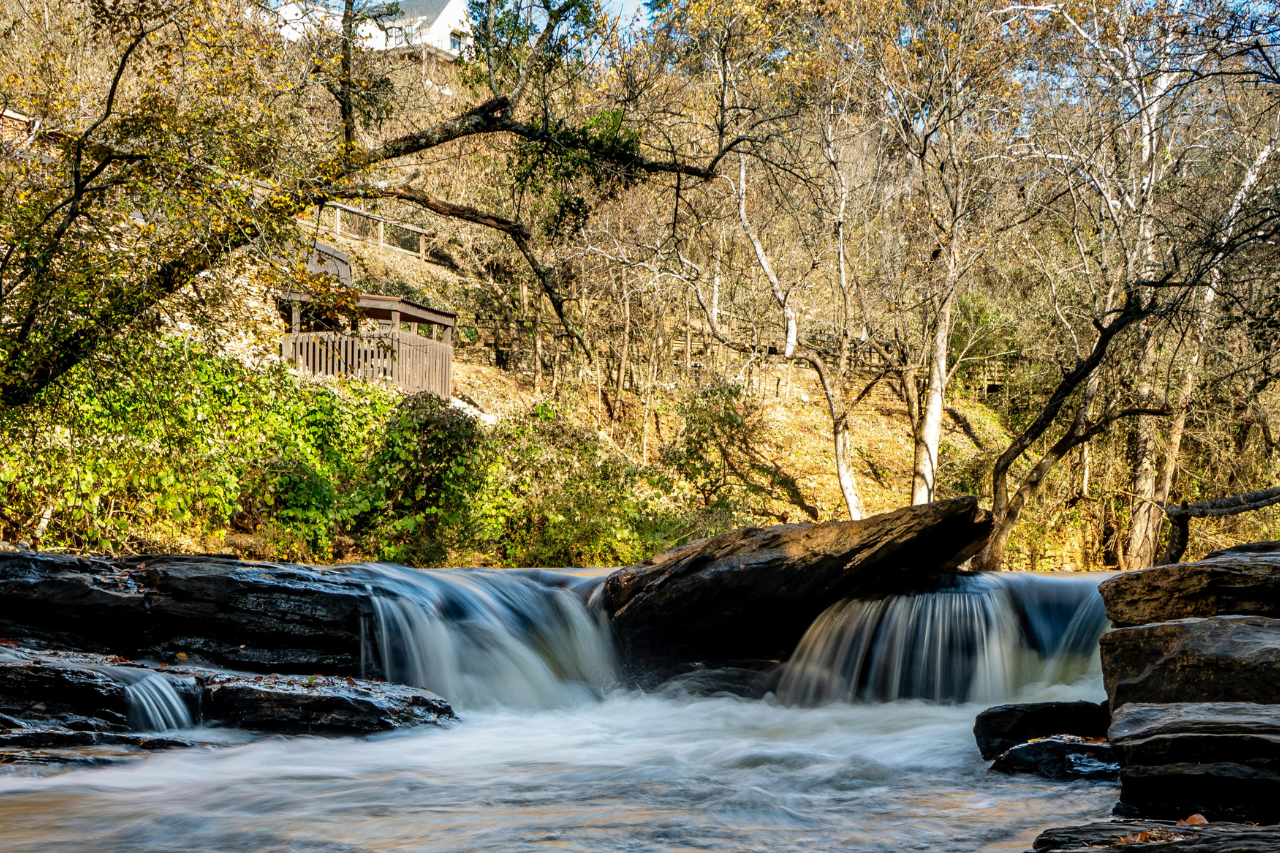
For many people entering addiction treatment, the hardest part isn’t deciding to get help. It’s finding an environment where healing actually feels possible. The noise of daily life, familiar stressors, and the people and places tied to substance use can make recovery feel like swimming upstream.
A secluded retreat setting addresses that friction at its root, offering something that a conventional urban treatment center often cannot: genuine separation from the conditions that fueled the addiction in the first place.
Research consistently shows that the environment plays a measurable role in recovery outcomes. When the physical surroundings support calm, reflection, and safety, the therapeutic work goes deeper. That’s the core argument for retreat-style rehabilitation, and it’s one backed by both clinical science and the lived experience of thousands of people in long-term recovery.
What Makes a Retreat Setting Different From a Conventional Rehab?
The word “retreat” gets used loosely in the wellness industry, but in the context of addiction treatment, it carries real meaning. A true retreat setting removes a person from their home environment entirely, typically placing them in a rural or semi-rural location with limited outside contact during the early phases of treatment.
This geographic distance isn’t about punishment or isolation. It’s about interruption. Addiction thrives on routine and cue-based triggers, which are the sights, sounds, and social situations that the brain has learned to associate with substance use. Distance from those cues gives the nervous system room to reset.
The Role of Environment in Neurological Recovery
Addiction changes the brain’s reward circuitry in measurable ways. During early recovery, the brain is recalibrating its dopamine response, stress regulation, and impulse control. That process is sensitive to environmental input.
A high-stimulation urban environment, with its traffic, social media accessibility, and proximity to familiar triggers, can actively compete with the neurological rewiring that treatment is trying to support. A quiet, natural setting works in the opposite direction, promoting the kind of low-arousal calm that supports prefrontal cortex engagement, which is precisely the part of the brain responsible for decision-making and self-regulation.
Nature as a Clinical Tool, Not Just a Nice Backdrop
It would be easy to dismiss the natural surroundings of a secluded facility as aesthetic rather than therapeutic. That would be a mistake. The evidence for nature-based interventions in mental health and substance use treatment has grown substantially over the past two decades.
Exposure to natural environments has been shown to reduce cortisol levels, lower blood pressure, improve mood, and decrease rumination. For someone in early recovery, these aren’t small benefits. They’re directly relevant to the physiological and psychological challenges that make the first weeks of treatment so difficult.
Why Green Spaces Support Emotional Regulation
Attention Restoration Theory, developed by environmental psychologists Rachel and Stephen Kaplan, proposes that natural environments restore directed attention capacity, which is the cognitive ability to focus and self-regulate that gets depleted by stress. People recovering from addiction often arrive in treatment with severely depleted attentional resources. Time in natural surroundings helps replenish those resources in ways that structured therapeutic activities alone cannot.
This is part of why programs that integrate outdoor time, whether through walking paths, gardens, or animal interaction, tend to show stronger engagement in the therapeutic process overall.
The Therapeutic Value of Equine and Animal-Assisted Programs
One of the more compelling features of retreat-style treatment is the opportunity to incorporate therapies that simply aren’t possible in a clinical office building. Equine-assisted therapy is among the most well-researched of these.
Working with horses requires present-moment awareness, emotional honesty, and nonverbal communication. Horses respond to the emotional state of the person working with them, which creates immediate, unfiltered feedback that is hard to replicate in a talk therapy session alone. For people who have spent years disconnecting from their own emotional experience, that kind of raw feedback can be profoundly clarifying.
Facilities like a remote 50-acre Georgia rehab with equine therapy illustrate how physical space enables therapeutic modalities that wouldn’t otherwise be accessible. The land itself becomes part of the treatment infrastructure.
What Does the Research Say About Equine Therapy in Addiction Treatment?
Studies examining equine-assisted psychotherapy in substance use disorder populations have found improvements in self-efficacy, emotional regulation, and interpersonal trust. While the evidence base is still developing, the clinical rationale is strong: activities that require embodied presence, emotional attunement, and relational skill-building directly target the psychological deficits that addiction tends to create.
Community Without Distraction: The Social Dynamics of Retreat Recovery
Recovery is ultimately a relational process. The connections formed in treatment, with peers, clinicians, and support staff, are among the strongest predictors of long-term sobriety. A secluded setting shapes those connections in important ways.
When people are away from their external social networks during the early phases of treatment, they invest more fully in the therapeutic community around them. There are fewer distractions, fewer outside obligations, and fewer opportunities for the kind of compartmentalization that can undermine engagement in outpatient settings.
Building Trust in a Bounded Environment
The relative containment of a retreat setting also tends to accelerate trust-building among peers. When a group of people shares meals, outdoor time, and group therapy in a bounded environment over weeks, relationships deepen more quickly than they might in a day program where everyone goes home at night.
That depth of connection matters. Peer support is one of the most robust predictors of sustained recovery, and the retreat environment tends to cultivate it organically.
Addressing the Question of Accessibility
A fair criticism of retreat-style treatment is that it can feel exclusive or inaccessible. High-end residential programs in scenic locations carry associations with luxury that can make people assume the model isn’t for them.
That perception is worth challenging. The clinical benefits of a secluded, nature-integrated setting don’t require a luxury price point. What they require is intentional design: enough physical space to allow for outdoor programming, enough quiet to support reflection, and enough separation from everyday life to allow the therapeutic process to take hold.
Who Benefits Most From a Secluded Treatment Setting?
Not everyone needs or wants a retreat model. For some people, maintaining a connection to their community and family during treatment is clinically appropriate and supportive. Individual circumstances vary widely.
That said, certain profiles tend to benefit particularly well from the retreat approach. People with high stress exposure in their daily environments, those with trauma histories that are strongly cue-dependent, people who have attempted recovery multiple times without sustained success, and those who need significant neurological rest before they can engage productively in therapy often respond especially well to the combination of geographic distance and natural surroundings.
What to Look for in a Retreat-Style Treatment Program
If you or someone you care about is considering a secluded residential program, a few factors are worth evaluating carefully. Accreditation and clinical staff credentials matter as much in a rural setting as anywhere else. The presence of evidence-based modalities, such as cognitive behavioral therapy, EMDR, and medication-assisted treatment where appropriate, should not be traded away for scenery.
The best retreat programs integrate their natural setting into a clinically rigorous treatment structure. The environment supports the therapy; it doesn’t replace it.
Questions Worth Asking Before Choosing a Program
How many licensed clinicians are on staff? What does a typical day look like? How is family involvement handled during the treatment period? What happens after discharge, and how robust is the aftercare planning? A facility confident in the quality of its programming will answer those questions directly and without pressure.
Ingrained Recovery provides a sanctuary retreat in Eastman, Georgia, offering an example of how a rural, nature-integrated setting can be designed around clinical outcomes rather than aesthetics alone.
Choosing Retreat-Based Recovery
Addiction recovery is not a single event. It’s a sustained process of neurological, psychological, and behavioral change that takes time, support, and the right conditions. A secluded retreat setting doesn’t guarantee success, but it can meaningfully improve the conditions under which that process begins.
When the environment itself is working in favor of healing, rather than against it, the therapeutic work has a better chance of taking root. That’s not a luxury argument. It’s a clinical one.
