

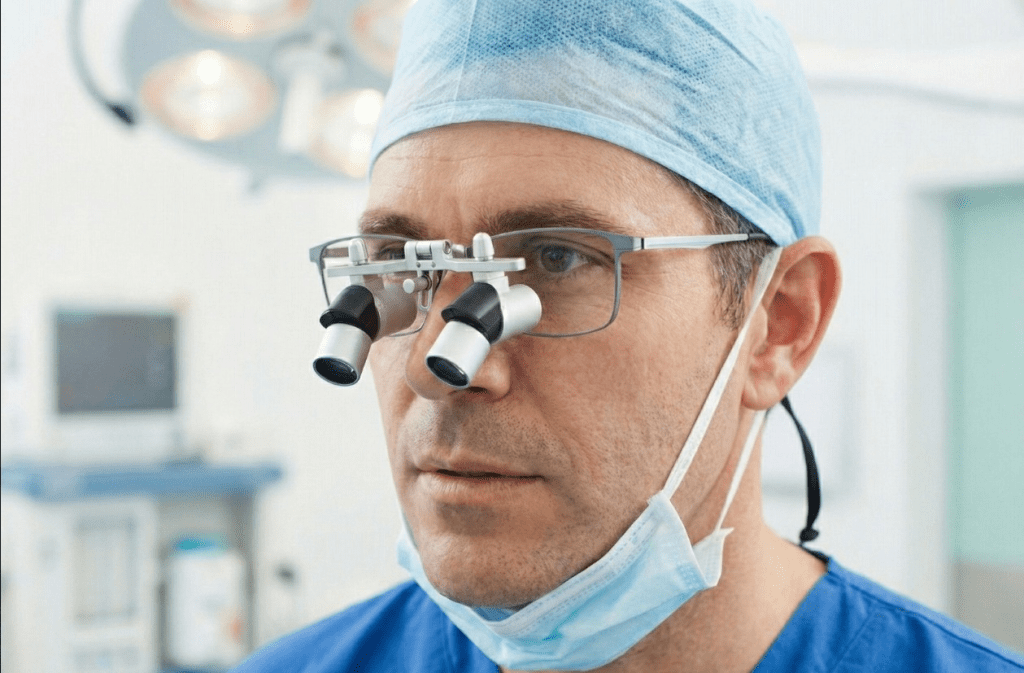
Musculoskeletal strain is one of the most common and costly problems in clinical dentistry. Neck pain, shoulder fatigue, and lower back discomfort often develop gradually, becoming more noticeable only after years of repetitive work. This is one reason ergonomic loupes are no longer seen as optional equipment. They are a practical response to the physical realities of modern dental practice. The right ergonomic design can support better posture, reduce cumulative stress, and help clinicians work comfortably for longer hours without compromising precision.
This article offers a detailed, experience-driven comparison of the factors that truly influence comfort when evaluating ergonomic loupes, with a specific focus on long-term clinical use rather than short-term impressions.
Ergonomic Loupes and the Foundations of Clinical Comfort
At their core, ergonomic loupes are designed to solve a posture problem. Traditional loupes often force clinicians to adapt their bodies to the optics by leaning forward or flexing the neck downward. Over time, this position places a constant load on the cervical spine and surrounding musculature.
Ergonomic loupes dentistry takes a different approach. Advanced prism systems and optical alignment redirect the visual pathway so the clinician can maintain a neutral head and neck position while still seeing the operative field clearly. Instead of bending to see, the clinician looks straight ahead. This single design principle has a profound impact on comfort and musculoskeletal health.
Posture Optimization Through Optical Design
Declination Angle and Neck Position
The declination angle determines how far the eyes must rotate downward to view the working area. In standard loupes, this angle often leads to sustained neck flexion. Ergonomic dental loupes significantly reduce this requirement by allowing the optics to project the image upward into the natural line of sight.
Maintaining a neutral head position reduces muscle activation in the neck and shoulders. Over a full clinical day, this translates into less stiffness, fewer headaches, and lower overall fatigue.
Spinal Alignment and Upper Body Balance
Posture is not limited to the neck. When the head remains upright, the spine follows. Ergonomic dentist loupes support balanced spinal alignment by discouraging forward lean. This reduces strain on the lower back and promotes a more stable seated position. Clinicians often report feeling more physically steady during procedures, which also supports finer motor control.
Weight Distribution and Frame Engineering
Comfort is not determined by weight alone. Distribution and balance are equally important.
Ergo loupes that concentrate mass toward the front of the frame can still create neck fatigue, even if the overall weight is low. Well-engineered ergonomic systems distribute weight evenly across the nose bridge and temples. This minimizes pressure points and reduces the need for constant micro adjustments.
Flip-up ergonomic designs offer additional advantages. They allow clinicians to reposition optics quickly without removing the frame, which reduces handling and facial muscle tension. Over time, this contributes to a more relaxed working experience.
For clinicians interested in how frame construction affects long wear comfort, this overview of features of lightweight and comfortable surgical loupes provides useful technical context.
Optical Performance and Visual Comfort
Magnification Balance
Higher magnification is often assumed to be better, but excessive magnification can increase eye strain. Narrow fields of view and shallow depth of field require constant refocusing. Ergonomic loupes dentistry emphasizes balance. Moderate magnification paired with high-quality prism optics delivers clarity without visual overload.
This balance supports longer procedures and reduces the risk of eye fatigue, especially during complex restorative or surgical work.
Depth of Field and Working Distance
Depth of field determines how much movement is possible without losing focus. A generous depth of field allows natural motion rather than forcing the clinician into a fixed posture. Proper working distance calibration is equally critical. Ergonomic dental loupes must be tailored to the clinician’s height, chair position, and operative layout. When these measurements are accurate, posture becomes effortless rather than intentional.
Custom Fit and Adjustability
No two clinicians share identical anatomy. Comfort depends heavily on customization.
Key factors include pupillary distance, frame width, temple length, and nose bridge support. High-quality ergonomic loupes are designed with post-delivery adjustability so minor refinements can be made after real-world use.
Flip-up designs also support adaptability across procedures. Switching between magnified and non-magnified tasks without removing the frame reduces unnecessary eye and neck movement, supporting consistent comfort throughout the day.
Long-Term Musculoskeletal Considerations
Comfort should be evaluated across years, not hours. The real value of ergonomic dentist loupes becomes apparent over extended use. Clinicians who transition to ergonomic systems often notice gradual improvements in posture awareness and fewer pain episodes.
Ergo loupes encourage healthier working habits by making proper posture the default. This can reduce reliance on physical therapy, chiropractic care, or pain management strategies later in a career.
Comparing Ergonomic Loupes in Real Clinical Settings
Specification lists rarely tell the full story. In daily practice, comfort results from how posture support, optical clarity, weight balance, and customization work together. Evaluating ergonomic loupes requires looking beyond numbers to consider how the system supports natural movement and sustained focus.
For clinicians exploring a well-integrated ergonomic option, reviewing detailed specifications of ergonomic loupes can help illustrate how thoughtful design choices translate into measurable comfort. Real-world use often reveals how small refinements in angle, balance, and adjustability reduce fatigue during long procedures and repetitive clinical workflows.
Adaptation Period and Learning Curve
Even well-designed ergonomic loupes require a short adaptation period. As posture improves, clinicians may notice subtle muscle adjustments in the neck and back. This is normal and temporary. Systems that support natural alignment tend to feel intuitive quickly, reinforcing healthy posture habits without disrupting clinical efficiency.
Why Comfort Should Guide the Final Decision
Clinical dentistry is physically demanding by design. Tools that reduce strain are not accessories. They are protective equipment. Ergonomic loupes dentistry reflects a shift toward preserving clinician health without compromising visual performance.
When comfort is prioritized, efficiency improves naturally. Focus sharpens, endurance increases, and the physical cost of long clinical days decreases. The most effective ergonomic systems work quietly in the background, supporting posture and vision consistently throughout every procedure.