

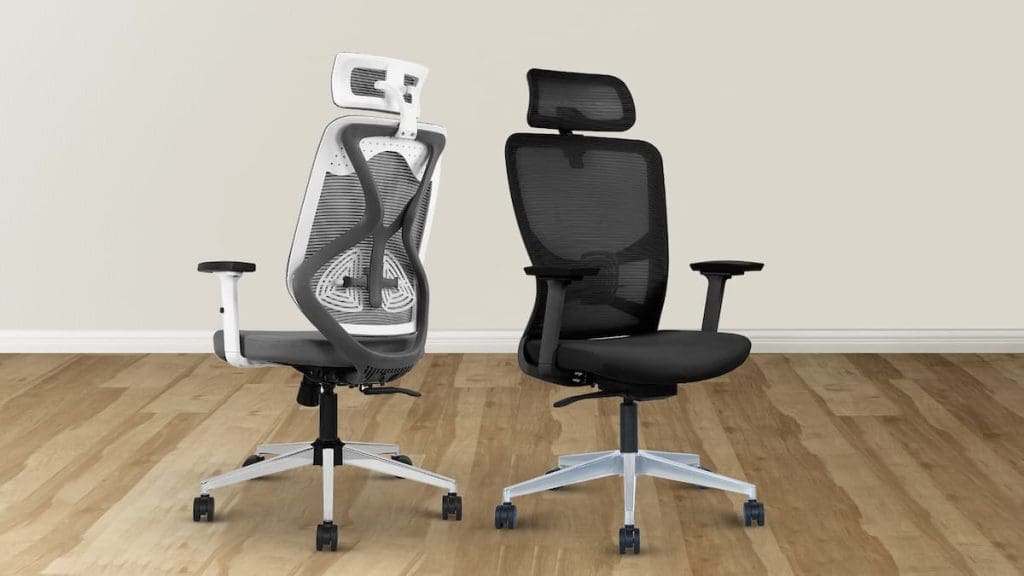
In today’s fast-paced work environment, where long hours are often spent in front of computers or at desks, comfort and health are more important than ever. Ergonomic chairs have become a crucial element of modern workplaces, offering smart seating solutions that enhance comfort, support well-being, and boost productivity. From corporate offices to home workspaces, these chairs are designed to meet the needs of professionals who demand both efficiency and physical health.
Understanding Ergonomic Chairs
An ergonomic chair is specifically designed to support the human body, taking into account posture, comfort, and movement. Unlike traditional chairs, which often prioritize aesthetics over support, ergonomic chairs are built with adjustable features that allow users to customize their seating position. This ensures proper alignment of the spine, reduces strain on muscles, and helps prevent long-term health issues such as back pain, neck tension, and repetitive strain injuries.
In offices, banks, and other professional settings, where employees may sit for extended periods, an ergonomic chair is not just a luxury—it is an investment in employee well-being and overall productivity.
Key Features of Ergonomic Chairs
The effectiveness of an ergonomic chair lies in its thoughtful design and adjustable features. Key elements include:
- Adjustable Seat Height: Ensures feet are flat on the floor, thighs are parallel to the ground, and knees are at a comfortable angle.
- Lumbar Support: Provides proper support to the lower back, promoting the natural curve of the spine and reducing the risk of chronic pain.
- Adjustable Armrests: Supports the arms and shoulders, preventing strain while typing or writing.
- Seat Depth Adjustment: Allows users to maintain a comfortable distance from the backrest, supporting proper posture.
- Tilt and Recline Mechanisms: Enable users to change positions throughout the day, encouraging movement and reducing fatigue.
- Breathable Materials: Mesh or high-quality fabric promotes air circulation, keeping users comfortable during long hours of sitting.
These features collectively create a supportive seating experience that adapts to individual needs, rather than forcing the body to adapt to the chair.
Health Benefits of Ergonomic Chairs
The most significant advantage of ergonomic chairs is their contribution to physical health. Poor seating can lead to back pain, neck strain, and circulatory issues, all of which can affect focus and efficiency. Ergonomic chairs address these concerns by encouraging correct posture and supporting the natural alignment of the spine.
Regular use of ergonomic chairs has been shown to reduce the risk of musculoskeletal disorders, alleviate discomfort, and improve overall energy levels. For professionals in high-pressure environments like banks or corporate offices, staying comfortable throughout the day helps maintain concentration and reduces the need for frequent breaks due to fatigue or discomfort.
Boosting Productivity Through Comfort
Comfort and productivity are closely linked. When employees are seated in ergonomically designed chairs, they can focus on their work without being distracted by discomfort or pain. Adjustable features allow users to personalize their seating position, making it easier to concentrate for longer periods.
Moreover, ergonomic chairs encourage micro-movements throughout the day, which help maintain circulation and reduce stiffness. These small changes in posture can have a surprisingly large impact on mental focus and efficiency, making employees more alert and productive.
Adaptable for Different Work Environments
Ergonomic chairs are versatile and suitable for a variety of work environments. In corporate offices, they provide executive comfort for managers and staff alike. In home offices, they support remote workers who spend most of their day seated. In banks, where employees often handle documents, digital systems, and client interactions, ergonomic chairs enhance comfort and professional performance simultaneously.
Many ergonomic chairs also feature modern designs that fit seamlessly into contemporary office aesthetics. This combination of style, function, and adaptability makes them an ideal choice for any workspace.
Sustainability and Long-Term Value
Investing in ergonomic chairs is a long-term decision. High-quality chairs are built from durable materials and are designed to withstand daily use for many years. This durability reduces the need for frequent replacements, making them cost-effective in the long run.
Many ergonomic chairs are also manufactured with eco-friendly materials and sustainable practices, aligning with modern corporate responsibility initiatives. Organizations that prioritize employee well-being and sustainability often see improved morale and stronger workplace culture as a result.
Choosing the Right Ergonomic Chair
Selecting the right ergonomic chair involves more than just picking a stylish model. Factors to consider include adjustability, support features, material quality, and the specific needs of the user. Ideally, chairs should allow for full customization to suit body size, posture preferences, and daily activities.
For organizations, providing employees with ergonomic chairs is an investment in productivity, health, and workplace satisfaction. For individuals, choosing the right chair promotes long-term well-being and comfort, making daily work tasks less physically taxing and more enjoyable.
Conclusion
Ergonomic chairs are smart seating solutions that address the physical demands of modern work while enhancing comfort, health, and productivity. By promoting proper posture, reducing strain, and supporting movement, they create an environment where employees can perform at their best. From corporate offices and banks to home workspaces, investing in ergonomic chairs is a proactive step toward improved well-being, efficiency, and workplace satisfaction. In a world where work is increasingly sedentary, ergonomic chairs are more than furniture—they are a foundation for health, focus, and success.