

There’s nothing more frustrating than waking up at 2 a.m. drenched in sweat, flipping your pillow to find the cool side — only to have it warm up within minutes. For millions of people, overheating during sleep isn’t just an occasional annoyance; it’s a nightly battle that leaves them exhausted, groggy, and unable to recover properly. Active individuals and athletes face this challenge even more acutely, as their bodies continue generating heat long after a workout ends, making restful sleep feel nearly impossible.
Fortunately, modern bedding innovation has produced a genuinely effective answer: cooling pillowcases. These aren’t simply thinner versions of standard pillowcases — they’re engineered with advanced materials and temperature-regulating technology designed to draw heat away from your body and keep your sleep surface consistently comfortable throughout the night. Whether you’re a dedicated runner, a gym regular, or simply someone who runs warm, cooling pillowcases offer a targeted solution to one of sleep’s most persistent obstacles. This article breaks down how the technology works, who benefits most, and how to choose the right option for your needs.
The Challenge of Night Sweats and Sleep Discomfort
Night sweats go beyond simply feeling warm — they represent a genuine disruption to the sleep cycle, pulling you out of deep, restorative rest at the worst possible moments. Medically, night sweats refer to repeated episodes of excessive perspiration during sleep, often soaking through clothing and bedding regardless of room temperature. Causes range widely, from stress and hormonal fluctuations to environmental factors like poor bedroom ventilation or non-breathable bedding materials. For fitness enthusiasts and athletes, the challenge is particularly pronounced. After an intense training session, the body’s core temperature remains elevated for hours, continuing to generate heat well into the night. This sustained thermal output makes achieving night sweats relief especially difficult, as standard pillowcases and bedding simply trap that heat rather than dispersing it. The result is a fragmented sleep pattern that undermines muscle recovery, mental sharpness, and overall performance — the exact opposite of what active individuals need after pushing their bodies hard.
Exploring Cooling Technology in Pillowcases
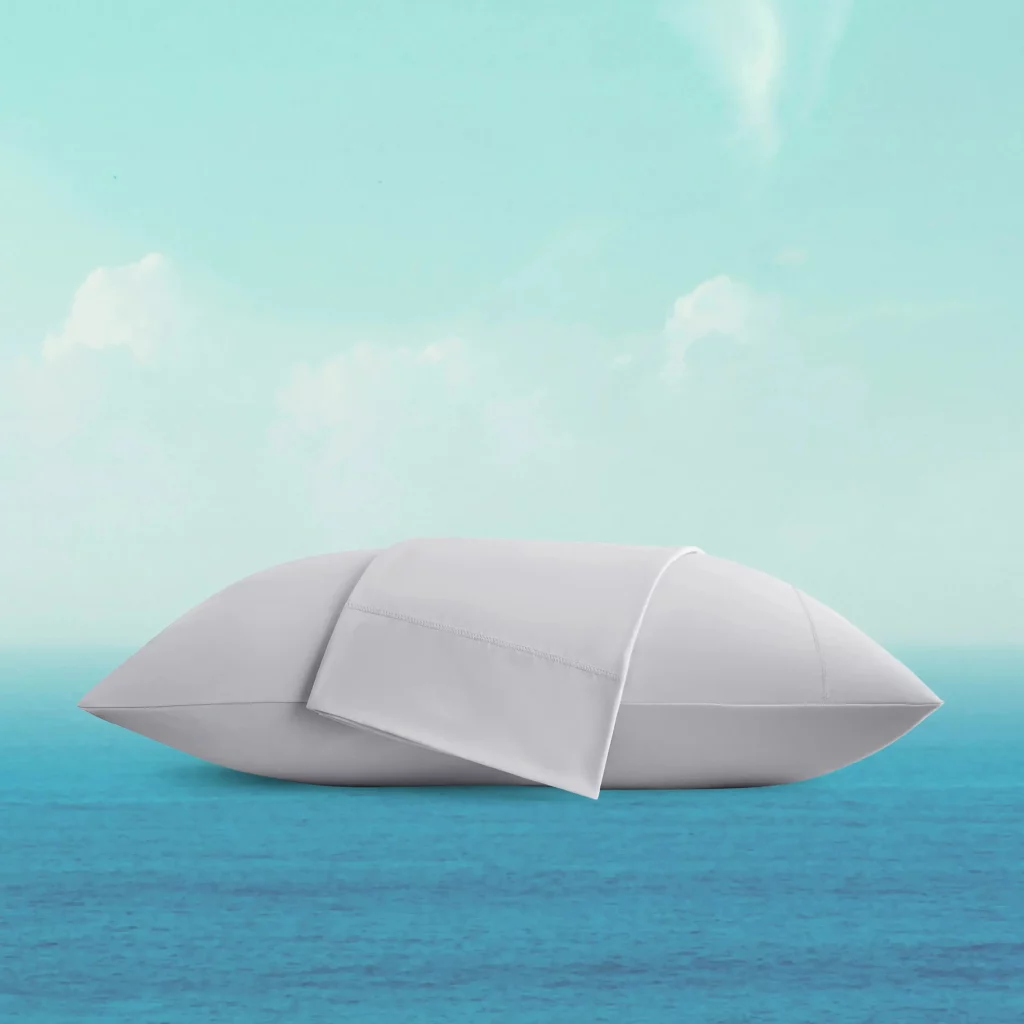
Cooling pillowcases aren’t just marketing — they’re built on real science. At their core, these products use three primary mechanisms to manage sleep temperature: moisture-wicking fabrics that pull perspiration away from skin, highly breathable materials that promote continuous airflow across the sleep surface, and phase-change substances that actively absorb excess body heat before releasing it back gradually. Together, these technologies work in concert rather than relying on a single property, creating a sleep surface that responds dynamically to your body’s thermal output throughout the night.
How Cooling Fabrics Enhance Sleep Comfort
The specific materials behind cooling technology make a significant difference in performance. Bamboo-derived fibers are naturally porous, enabling exceptional airflow and heat dissipation while remaining soft against skin. Tencel, made from eucalyptus pulp, offers similar breathability with superior moisture management. Gel-infused fibers take things further by actively conducting heat away from contact points. Brands like Breescape Home have built their cooling pillowcase lines around precisely these material combinations, recognizing that each addresses sleep comfort from a different angle — whether it’s wicking sweat, encouraging air circulation, or neutralizing heat buildup — giving sleepers a noticeably cooler, more consistent experience from the first night onward.
Benefits of Cooling Pillowcases for Optimal Sleep
The advantages of switching to a cooling pillowcase extend well beyond simply feeling less hot at night. The most immediate benefit is a measurable reduction in perspiration at the head and neck — the areas that generate the most heat during sleep. By keeping this zone consistently cooler, cooling pillowcases help your body maintain the lower core temperature it naturally seeks during deep sleep stages, which means fewer interruptions and longer stretches of truly restorative rest.
Improved sleep quality has a cascading effect on nearly every aspect of health. When you’re not waking up to flip your pillow or kick off blankets, your body spends more time in slow-wave and REM sleep — the stages responsible for memory consolidation, immune function, and emotional regulation. For anyone dealing with chronic sleep disruption, this shift alone can produce noticeable improvements in mood, focus, and energy within days. Sleep comfort isn’t a luxury; it’s a foundation for functioning well.
There’s also a recovery dimension that’s easy to overlook. Muscles repair themselves most efficiently during deep sleep, and that process is temperature-sensitive. A cooler sleep surface supports the hormonal environment — particularly growth hormone release — that drives tissue repair overnight. For people managing physically demanding schedules, this means a cooling pillowcase isn’t just about comfort; it’s a practical tool for getting more out of every hour of sleep and waking up genuinely ready to perform.
Addressing Active Lifestyles: Cooling Pillowcases for Fitness Enthusiasts
For athletes and regular exercisers, sleep isn’t just rest — it’s an essential part of the training cycle. Yet the very intensity that makes workouts productive also makes quality sleep harder to achieve. After a demanding run, cycling session, or strength workout, your body’s core temperature can remain elevated for two to four hours. Climbing into bed during that window means your pillow absorbs and retains that heat, creating a warm, uncomfortable surface precisely when your body needs to cool down to enter deep sleep. A cooling pillowcase directly addresses this timing problem by continuously drawing heat away from the head and neck rather than letting it accumulate.
Consider a practical scenario: a runner who finishes a 10-mile evening training run at 8 p.m. and is in bed by 10 p.m. Their body is still managing elevated thermal output. A standard cotton pillowcase will trap that warmth, leading to restless tossing and fragmented sleep. A moisture-wicking, breathable cooling pillowcase instead pulls heat and perspiration away from skin contact points, helping the body reach its target sleep temperature faster and sustaining that comfort throughout the night.
The same principle applies to anyone with a physically demanding schedule — construction workers, personal trainers, cyclists commuting daily. Post-workout sleep recovery is where muscle fiber repair, glycogen restoration, and hormonal reset actually happen. Disrupting that process with thermal discomfort doesn’t just make you feel tired the next morning; it actively limits your physical adaptation to training. A cooling pillowcase won’t replace proper nutrition or adequate sleep hours, but it removes one of the most common physical barriers to achieving the deep, uninterrupted sleep that makes hard work actually pay off.
Step-by-Step Guide to Choosing the Right Cooling Pillowcase
With dozens of options on the market, selecting the right cooling pillowcase comes down to four practical considerations that determine whether a product actually delivers on its promises.
Start by evaluating material composition. Bamboo-derived fabrics excel at passive breathability and feel naturally soft, making them ideal for sleepers who run warm but don’t sweat heavily. Tencel blends offer superior moisture management for those who perspire more significantly. If you wake up noticeably damp, look for products that combine moisture-wicking technology with phase-change material — this dual approach handles both active perspiration and heat buildup simultaneously. Avoid purely synthetic blends marketed as “cooling” without specifying the mechanism; these often underperform after a few washes.
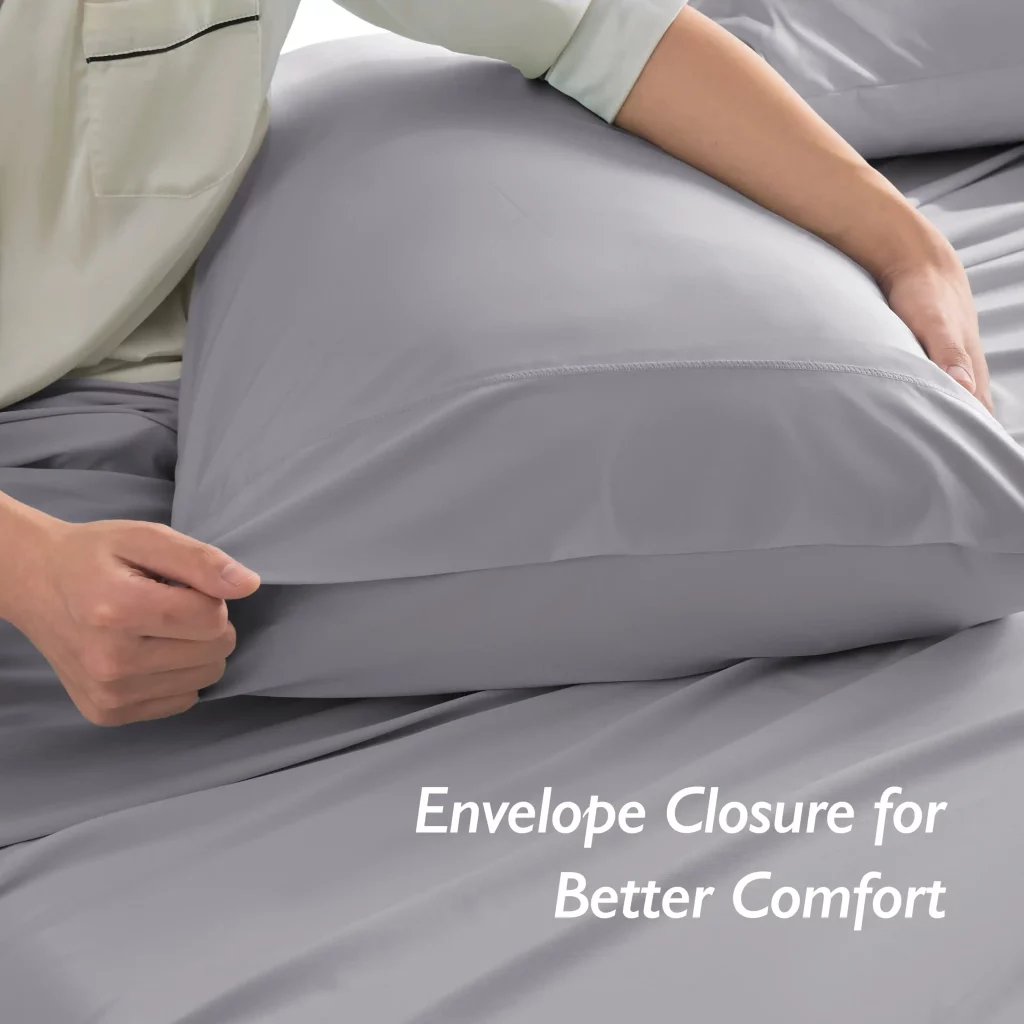
Next, confirm sizing and fit. A pillowcase that bunches or slips creates friction and warm pockets that undermine the cooling effect entirely. Measure your pillow before purchasing and check whether the product offers a snug envelope closure or a deep pocket — both secure the fit and prevent shifting during sleep.
Third, review care requirements honestly. Some high-performance cooling fabrics require cold-water washing and air drying to preserve their thermal properties. If that doesn’t fit your routine, prioritize machine-washable options rated for warm cycles, which maintain performance without demanding extra effort.
Finally, set a realistic budget based on your specific needs. Casual warm sleepers will find mid-range bamboo or Tencel options more than sufficient. Athletes dealing with significant post-workout heat buildup may benefit from investing in premium phase-change technology, where the performance difference is genuinely noticeable over time.
Maintaining Your Cooling Pillowcase for Longevity
Even the most advanced cooling pillowcase loses its effectiveness if it isn’t cared for properly. The thermal and moisture-wicking properties embedded in bamboo, Tencel, and phase-change fabrics are sensitive to heat and harsh chemicals — both of which degrade the fibers over time and reduce performance noticeably. To preserve what you paid for, wash your cooling pillowcase in cold or lukewarm water on a gentle cycle. Hot water breaks down moisture-wicking treatments and can cause phase-change materials to lose their heat-absorbing capacity after repeated exposure.
Skip fabric softeners entirely. While they make standard linens feel plush, softeners coat the individual fibers with a waxy residue that clogs the porous structure responsible for airflow and heat dissipation — the exact properties you’re trying to maintain. Use a mild, fragrance-free detergent instead. When drying, air drying is always preferable; if you use a dryer, select the lowest heat setting available. Store your pillowcase folded loosely in a cool, dry location rather than compressed in a tight drawer, which can stress the weave structure over time. With consistent care, a quality cooling pillowcase — whether from a dedicated home goods brand like Breescape Home or another reputable manufacturer — should maintain its thermal performance for two to three years of regular use.
Cooling Pillowcases as a Foundation for Better Sleep and Recovery
Quality sleep isn’t a passive experience — it’s something your environment either supports or undermines every single night. As this article has outlined, night sweats and thermal discomfort are among the most common and most solvable barriers to truly restorative rest. Cooling pillowcases address this problem directly through proven technologies: moisture-wicking fabrics, breathable materials, and phase-change compounds that work together to regulate the sleep surface temperature your body needs to reach and sustain deep sleep stages.
For active individuals and athletes, the stakes are especially high. Every hour of disrupted sleep is an hour lost to muscle repair, hormonal recovery, and mental restoration. A cooling pillowcase won’t replace sound training habits or proper nutrition, but it removes a genuine physical obstacle that compounds night after night. Combined with proper care and the right material choice for your sleep style, it’s one of the most practical investments you can make in your recovery toolkit. Sleep health isn’t separate from performance — it’s the foundation everything else is built on. Choosing bedding that actively works with your body rather than against it is a small change with measurable, lasting returns.