
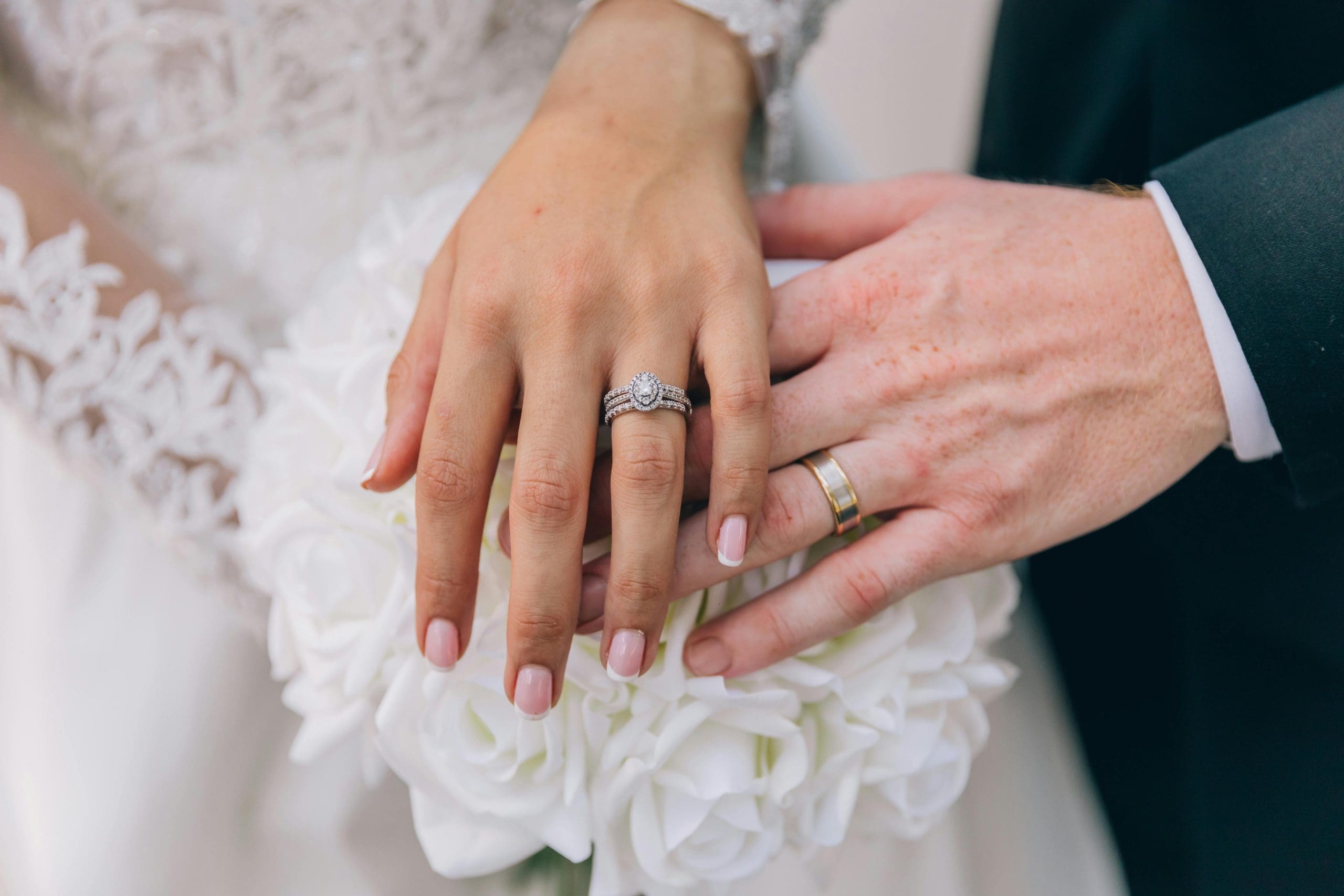
Shopping for an engagement ring is one of the most exciting—and financially significant—purchases you’ll ever make. If you’re like most couples today, you’re probably wondering whether financing makes sense and how to navigate the options without getting overwhelmed or going into unnecessary debt.
I’ve helped countless couples through this decision, and the truth is: there’s no one-size-fits-all answer. What matters is finding a financing approach that aligns with your budget, timeline, and financial goals. Let me walk you through everything you need to know.
Understanding Your Engagement Ring Budget
Before diving into engagement ring financing options, let’s address the elephant in the room: how much should you actually spend?
You’ve probably heard the “three months’ salary” rule, but here’s the reality that’s outdated marketing, not financial advice. Today’s couples typically spend between $3,000 and $7,000 on an engagement ring, according to recent industry surveys. However, your ideal budget depends entirely on your personal financial situation.
Ask yourself these questions first:
- What can you comfortably afford without derailing other financial goals?
- Are you saving for a wedding, house, or other major expenses?
- Do you have an emergency fund in place?
- What’s your current debt situation?
Your engagement ring should symbolize your commitment, not create financial stress that follows you into married life.
When Financing Makes Sense
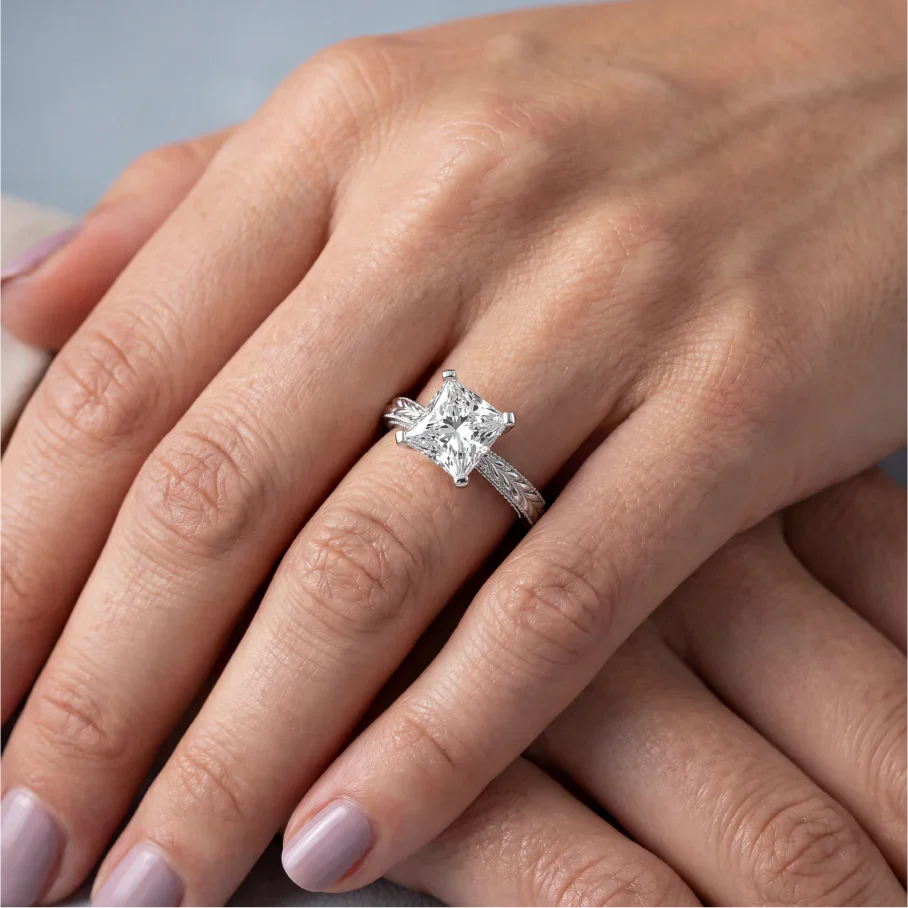
Financing an engagement ring isn’t inherently good or bad—it’s a tool that works brilliantly in some situations and poorly in others.
Financing might be right for you if:
- You’ve found the perfect ring but need a few months to pay it off
- You can access 0% APR financing and pay it off before interest kicks in
- You want to preserve your savings for the wedding or other immediate needs
- You have stable income and good cash flow management
You might want to reconsider if:
- You’re already carrying significant credit card debt
- You don’t have a clear payoff plan
- The monthly payments would strain your budget
- You’re uncertain about job stability
Types of Engagement Ring Financing Options
Store Financing Programs
Many jewelry retailers partner with financing companies to offer promotional rates. These often include attractive terms like 0% APR for 6, 12, or even 36 months for qualified buyers.
Pros: Quick approval process, often no down payment required, and competitive rates for those with good credit.
Cons: The 0% rate typically applies only if you pay off the balance completely before the promotional period ends. Miss that deadline, and you could face deferred interest charges on the entire original purchase amount—not just the remaining balance.
Credit Cards
Using a credit card can work if you’re strategic about it. Some cards offer 0% introductory APR periods of 12-21 months, giving you breathing room to pay off the purchase.
Pros: You might earn rewards points, and you’re not tied to a specific retailer’s financing terms.
Cons: Standard credit card interest rates (15-25% APR) kick in after the intro period. High balances can also impact your credit utilization ratio, potentially affecting your credit score.
Personal Loans
Banks and online lenders offer personal loans specifically for major purchases. These come with fixed monthly payments and set repayment terms, typically 2-5 years.
Pros: Predictable monthly payments, and rates may be lower than credit cards for borrowers with good credit.
Cons: Interest starts accruing immediately, and you’ll pay interest over the life of the loan even if you could pay it off sooner.
Buy Now, Pay Later Services
Companies like Affirm, Katapult, and PayTomorrow have made financing more accessible, even for those with limited or imperfect credit history.
Pros: Instant approval decisions, transparent terms with no hidden fees, and options for those who might not qualify for traditional credit.
Cons: Terms vary significantly based on creditworthiness, and some services charge higher rates than traditional financing.
Steps to Finance Your Engagement Ring Responsibly
1. Check Your Credit Score First
Your credit score directly impacts the financing terms you’ll receive. Scores above 700 typically qualify for the best rates, while scores below 650 may face higher interest or require alternative financing options.
Get a free copy of your credit report and address any errors before applying. Even a small score improvement can save you hundreds of dollars in interest.
2. Get Pre-Qualified Without Hurting Your Credit
Many lenders offer pre-qualification that uses only a soft credit inquiry. This lets you see potential terms without affecting your credit score. Shop around and compare at least three different options before committing.
3. Calculate the True Cost
Don’t just focus on monthly payment amounts. Calculate the total cost including all interest and fees. A $5,000 ring financed at 18% APR over 24 months actually costs you nearly $6,000 total.
Use online calculators to model different scenarios. Sometimes paying a bit more monthly to shorten the term saves significant money overall.
4. Read the Fine Print Carefully
Pay special attention to:
- Whether interest is deferred or waived during promotional periods
- Prepayment penalties (though these are rare for jewelry financing)
- Late payment fees and how they’re calculated
- What happens if you miss the promotional payoff deadline
5. Create a Realistic Payoff Plan
Before signing anything, map out exactly how you’ll pay off the ring. If you’re using 0% financing for 12 months, divide the total by 12 and make sure that monthly payment comfortably fits your budget with room to spare.
Life happens—car repairs, medical bills, work slowdowns. Build buffer room into your plan so an unexpected expense doesn’t derail your payoff timeline.
Smart Financing Tips to Save Money
Pay more than the minimum. Even $50 extra per month can dramatically reduce your total interest paid and help you finish ahead of schedule.
Set up automatic payments. You’ll never miss a due date, which protects your credit score and helps you avoid late fees.
Consider making biweekly payments. Instead of one monthly payment, split it in half and pay every two weeks. You’ll make 26 half-payments (equivalent to 13 full payments) per year instead of 12, paying off the balance faster.
Time your purchase strategically. Many jewelers offer special financing promotions during holiday periods or wedding season. If you have flexibility, waiting for a promotional period could save you substantially.
Alternatives Worth Considering
If traditional financing feels uncomfortable, consider these alternatives:
Saving first: Yes, it requires patience, but paying cash means zero interest and zero monthly obligations. Even saving for just a few months can significantly reduce how much you need to finance.
Choosing a different stone: Lab-created diamonds and moissanite offer the same visual impact at 30-60% less cost, potentially eliminating the need for financing altogether.
Starting smaller: Purchase a simpler setting now and upgrade for a milestone anniversary when you’re more financially established. Many jewelers offer trade-in or upgrade programs.
The Bottom Line
Financing an engagement ring can be a smart financial move when approached thoughtfully. The key is ensuring your financing strategy serves your broader financial health rather than compromising it.
Choose terms you can genuinely afford, understand exactly what you’re agreeing to, and have a concrete plan to pay off the balance. Your engagement should mark the beginning of a strong financial partnership, not the start of debt struggles.
Remember, the ring symbolizes your commitment, not its price tag or how you paid for it. What matters most is finding a ring you love and a payment approach that keeps your financial future bright.