
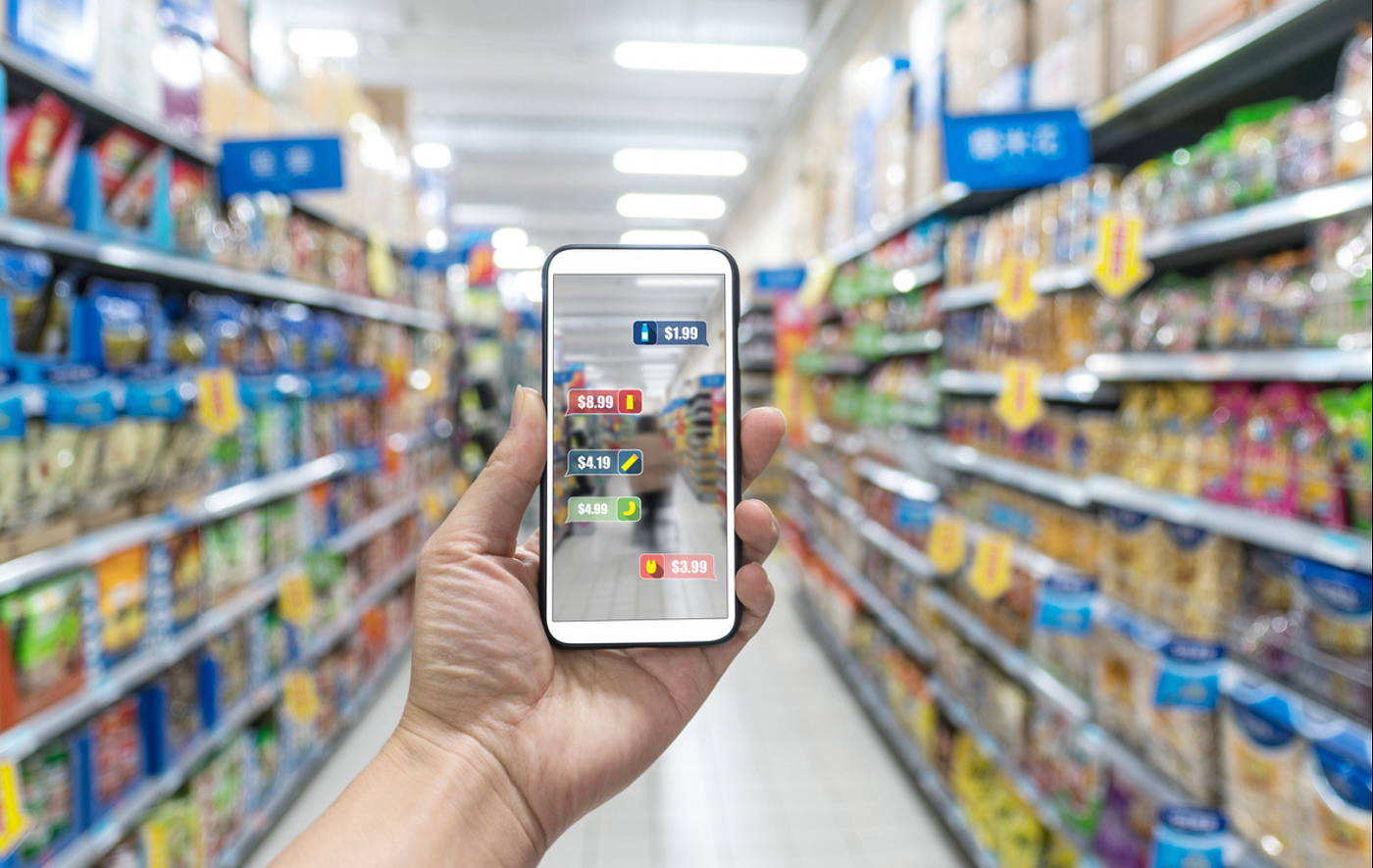
The concept of computer vision retail safety has rapidly evolved from a futuristic idea into a practical, mission-critical solution that is transforming how retailers protect people, assets, and operational efficiency in today’s demanding commercial world, where customer expectations are higher than ever, and risk factors ranging from theft to accidents and compliance violations constantly threaten business continuity. Unlike traditional security cameras that passively capture footage, computer vision brings intelligence, automation, and contextual understanding to retail environments, making stores smarter, safer, and significantly more responsive. This technology blends artificial intelligence, real-time analytics, advanced video interpretation, and data-driven insights to identify safety concerns, track incidents, detect suspicious activities, and even support employee well-being before harm occurs. In an industry where every second matters and every overlooked detail can cost revenue, trust, and reputation, computer vision introduces proactive protection and actionable awareness. It integrates smoothly with emerging smart retail technology and enhances existing loss prevention systems while aligning with operational needs and ethical considerations. Ultimately, retail safety powered by computer vision is not just about preventing problems; it is about building safer environments where customers feel comfortable, workers feel supported, and businesses remain resilient in a highly competitive landscape.
Understanding the Importance of Retail Safety in a Changing Landscape
Retail safety is no longer limited to preventing theft or handling occasional accidents; it now encompasses a complex and interconnected framework that involves customer experience, workplace safety, risk management, regulatory compliance, digital transformation, and organizational trust, and computer vision retail safety sits precisely at the center of this evolving reality. Stores today operate in environments where human traffic is continuous, behaviors are unpredictable, and risk scenarios can escalate quickly without warning. Slippery floors, misplaced objects, overcrowded spaces, inventory mishandling, aggressive behavior, emergency situations, and health concerns all demand immediate attention, and this is where intelligent automation becomes invaluable. With AI-enhanced monitoring and real-time detection, retail environments gain an additional layer of awareness that human staff alone cannot consistently maintain.
This improved capability does not replace employees; instead, it supports them by reducing stress,
minimizing blind spots, and enabling informed decisions. By identifying hazards early and providing accurate alerts, computer vision strengthens resilience, protects brand integrity, and demonstrates responsibility toward customers and workers alike. In a competitive world, stores that prioritize smart and responsive safety infrastructure foster trust, loyalty, and smoother operations, proving that safety innovation is also a strategic business advantage.
How Computer Vision Works in Enhancing Retail Safety
To appreciate the true potential of computer vision retail safety, it is essential to understand how this technology functions beneath the surface, turning ordinary store camera feeds into insightful and actionable intelligence. Computer vision systems leverage AI algorithms that analyze live or recorded video streams, recognize objects, track movement patterns, interpret human behavior, detect anomalies, and identify risks or violations as they occur. These systems are trained to recognize everything from unattended items and unauthorized access to hazardous floor conditions or crowds forming in restricted spaces. When a concerning situation develops, the system generates alerts, notifies staff, or activates predefined safety protocols, greatly reducing response time. Unlike manual monitoring where fatigue and distraction are inevitable, AI maintains consistent attention, accuracy, and speed. Integrating with machine learning analytics, these systems continue improving over time, learning common patterns of store behavior, refining accuracy, and reducing false alarms. The intelligence layer also ensures a balance between automation and human judgment, supporting decision-makers instead of overwhelming them.
This combination of perception, cognition, and action means that computer vision truly acts like an intelligent guardian in retail environments, silently watching, learning, and safeguarding daily operations.
Preventing Accidents and Workplace Hazards with Computer Vision
Accident prevention remains one of the most compelling strengths of computer vision retail safety, particularly because retail locations are dynamic environments where slip-and-fall incidents, collisions, and operational mishaps can occur unexpectedly and create serious consequences both financially and ethically. With smart video analytics continuously scanning floors, aisles, entrances, storage areas, and walkways, the system can detect risks such as spilled liquids, dropped items, obstructed paths, or improperly stored equipment before they escalate into injuries. For employees working in stockrooms or warehouse-connected stores, computer vision can also detect unsafe lifting behaviors, unprotected exposure to equipment, or violations of occupational safety procedures, thereby reducing workplace injury rates. Customers benefit from safer browsing environments, and retailers benefit from fewer liability claims, reduced insurance implications, and improved store reputation. The proactive nature of computer vision means issues are addressed early, not after damage has already been done. This aligns retail environments with strong risk management practices, helping organizations maintain high safety standards while ensuring normal operations proceed smoothly. In essence, computer vision transforms safety from a reactive measure into an embedded culture of preventative care and continuous protection.
Strengthening Theft Prevention and Loss Reduction
While customer safety is paramount, computer vision retail safety also brings powerful enhancements to loss prevention by intelligently monitoring suspicious behavior, reducing shrinkage, and supporting store security teams with analytic insights rather than overwhelming them with footage. Theft in retail environments has evolved, with more sophisticated shoplifting strategies, organized retail crime groups, and increasing internal theft challenges, meaning traditional camera surveillance alone is no longer enough. Computer vision tools can identify abnormal behavioral patterns, lingering behavior in high-value aisles, unauthorized backroom access, concealment attempts, and unusual checkout interactions. Instead of focusing on profiling individuals, the technology focuses on activity patterns, ensuring fairness while maintaining vigilance. Paired with ethical guidelines and responsible implementation, AI provides silent oversight and accurate incident tracing. It also supports video analytics for safety by offering audit trails, activity heat maps, and retrospective analysis to better understand vulnerabilities in store layouts or operational workflows. With clear alerts delivered to trained personnel, theft deterrence becomes stronger, incidents are addressed faster, and retailers maintain better control over inventory. More importantly, stores can shift attention toward enhancing service quality while trusting automated intelligence to reinforce background security.
Enhancing Crowd Management and Emergency Response
Retail environments often experience fluctuating crowd dynamics ranging from quiet weekdays to peak seasonal rushes, and computer vision retail safety plays a vital role in managing these rapidly changing conditions. AI-powered monitoring can assess store occupancy levels, detect overcrowding in specific zones, identify queuing inefficiencies, and recognize escalating tension or panic-like behaviors. This enables management to optimize staff deployment, open additional checkout counters, reorganize space usage, or proactively intervene before crowd-related hazards emerge. In emergency situations such as fires, medical incidents, or sudden disturbances, computer vision enables quicker detection, better situational awareness, and more coordinated responses. It can track movement flow, identify blocked exits, and guide safer evacuation processes by providing real-time insights. Advanced systems also integrate with alarms and internal communication platforms, supporting a synchronized safety strategy across multiple store teams. These capabilities contribute significantly to customer assurance, creating an environment where shoppers feel protected rather than monitored. For businesses, effective crowd safety management reduces operational disruptions, strengthens public trust, and demonstrates responsible leadership in ensuring secure and organized retail experiences.
Supporting Employee Safety, Productivity, and Well-Being
Beyond customers, computer vision retail safety significantly impacts employees, who often face physically demanding tasks, high pressure, and challenging interactions, especially in fast-paced retail environments. Computer vision systems help ensure safe working conditions by monitoring high-risk zones, identifying unsafe practices, and offering data that supports targeted training or procedural improvements. Employees benefit from reduced injuries, clearer guidance, and workplace environments that demonstrate genuine care for their welfare. Additionally, AI systems can help protect staff from confrontational behavior by detecting aggression or escalating disputes early and notifying supervisors or security teams. This reduces emotional stress and increases confidence in workplace support systems. Productivity also improves when staff are not constantly burdened with manual monitoring duties or unnecessary safety concerns. Instead, they can focus on delivering quality service and inventory management. The integration of technology, responsibility, and compassion makes computer vision a meaningful contributor to healthier workplace cultures, complementing broader retail automation initiatives while ensuring the human element remains respected and empowered.
Ethical Considerations, Transparency, and Responsible Use
While the advantages of computer vision retail safety are powerful, responsible implementation requires thoughtful attention to ethics, privacy, transparency, and fairness to ensure customer trust is protected alongside physical safety. Retailers must approach AI adoption with clear communication practices, explaining the purpose of monitoring, ensuring data is handled responsibly, and prioritizing anonymized analysis where possible. Ethical frameworks should guide system design, emphasizing that technology is intended to protect rather than intrude. Avoiding discriminatory behavior recognition practices, maintaining legal compliance, and establishing clear governance structures are critical steps toward maintaining integrity. With proper policy alignment and accountability, computer vision enhances safety without harming consumer rights or personal dignity. Regular audits, bias testing, and compliance reviews ensure the technology remains fair and effective. When implemented responsibly, AI-driven safety systems foster confidence, improve brand credibility, and illustrate a forward-thinking commitment to modern digital responsibility in a world increasingly shaped by intelligent technology.
The Business Benefits and Strategic Value of AI-Driven Retail Safety
Investment in computer vision retail safety delivers measurable advantages far beyond immediate incident prevention, contributing to long-term stability, operational intelligence, and competitive differentiation. By reducing accidents, decreasing theft, enhancing efficiency, and lowering legal exposure, retailers experience tangible financial benefits. Insurance relations improve, claims decrease, and operational disruptions become less frequent. Data collected from vision-based analytics supports smarter store design, staffing decisions, and strategic planning by revealing patterns that were previously invisible. This intelligence strengthens management decision-making and aligns safety improvements with performance goals, demonstrating that computer vision is not just a security measure but a core business enabler. In an increasingly data-driven marketplace, retailers that adopt advanced safety solutions position themselves as innovative leaders capable of adapting to evolving challenges. They build environments where trust, reliability, and professionalism define every shopping experience, reinforcing long-term customer loyalty.
The Future of Computer Vision in Retail Safety
Looking ahead, the future of computer vision retail safety promises even greater sophistication, precision, and integration as artificial intelligence continues to advance and retail environments become smarter, more connected, and more autonomous. Emerging innovations may include predictive safety intelligence that anticipates hazards before they form, deeper integration with IoT devices, enhanced customer assistance applications, and seamless collaboration with robotics and automated store systems. As smart retail technology continues to expand, computer vision will likely serve as a foundational layer supporting safer store ecosystems worldwide. Retailers who embrace this technology early will adapt more smoothly to evolving expectations, regulatory demands, and competitive pressures. However, continued progress will require commitment to ethical design, human-centered implementation, and ongoing learning to keep systems relevant and responsible. What remains certain is that the role of AI-powered safety will only grow stronger, shaping future retail landscapes with intelligence, care, and innovation.
Conclusion
In conclusion, computer vision retail safety represents one of the most transformative developments in modern retail, uniting cutting-edge technology with practical human needs, operational realities, and strategic business goals. By delivering proactive risk prevention, real-time situational awareness, ethical automation, and supportive intelligence, computer vision elevates retail environments into safer, smarter, and more trustworthy spaces for everyone involved. It enhances risk management, supports employee well-being, strengthens customer confidence, and safeguards commercial stability in ways that traditional methods simply cannot match. As the retail world continues to evolve, embracing innovative, responsible, and forward-thinking safety solutions will be essential not only for survival but for sustained success. Ultimately, computer vision in retail safety is not just about technology; it is about building a future where shopping environments feel secure, operations remain resilient, and businesses proudly demonstrate their commitment to responsible and intelligent safety excellence.
