
When customizing logos for sportswear, whether for team uniforms, training apparel, or branded promotional gear, choosing the right application method is essential.
It affects not only the overall appearance, but also durability, comfort, and long-term cost efficiency.
Today, embroidery and heat transfer printing (also known as heat press or heat-applied graphics) are the two most widely used techniques in the sportswear industry, each offering distinct advantages and ideal use cases.
Whether you’re designing professional team jerseys or fan apparel, selecting the right logo application method ensures your design remains sharp, durable, and performance-ready—able to withstand both intense activity and the test of time.
Embroidery: The Timeless, Durable Choice
Embroidery involves stitching your design directly into the fabric using high-quality threads, creating a raised, textured effect that’s synonymous with premium quality.
- Material and Appearance: Thread-based with a 3D texture, offering a sophisticated, professional look. It’s ideal for intricate details and maintains a classic vibe on sportswear like jerseys or caps.
- Durability: Extremely long-lasting; it withstands frequent washing, heavy use, UV exposure, and heat without fading or fraying. Perfect for high-intensity sports where gear faces constant wear and tear.
- Best Use: Logos, team emblems, small details, and applications on thicker fabrics like cotton blends or polyester performance wear.
- Considerations: Slightly heavier and less flexible for very large areas; production can take longer due to digitizing the design, and it’s more expensive for small orders (setup costs around $50–$100 per design).
Embroidery shines in scenarios requiring longevity, such as corporate uniforms or professional athletic teams, where the investment pays off over time.
Heat Transfer: The Versatile, Vibrant Option
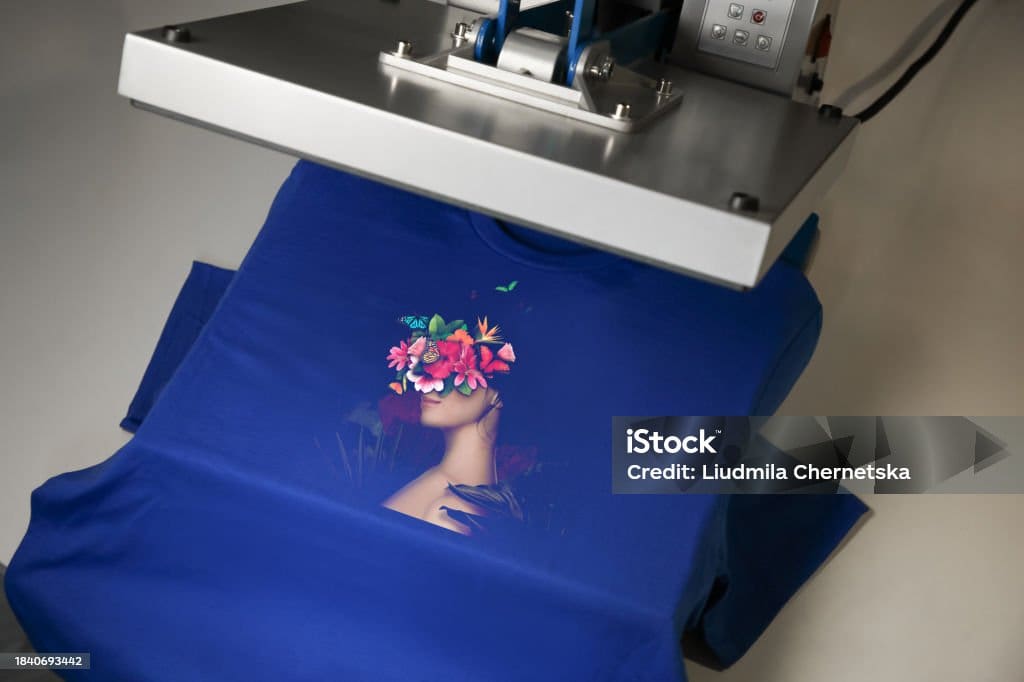
Heat transfer uses vinyl, ink, or specialized films applied with heat and pressure, bonding the design to the fabric for a smooth, flat finish.
- Material and Appearance: Vinyl or ink-based, lightweight, and capable of vibrant, full-color graphics with gradients and photorealistic elements. It provides a modern, sleek look without adding bulk.
- Durability: Reliable for everyday use but less resistant to intense washing or high heat compared to embroidery—it may crack, peel, or fade over time if not cared for properly.
- Best Use: Player names, numbers, large-scale designs, and custom graphics on smoother fabrics like performance synthetics. Great for quick personalization in small quantities.
- Considerations: Can be affected by ironing or dryers (pre-wash garments recommended); more affordable for low-volume runs (as low as $5–$10 per item) and faster production times.
This method excels in fast-paced environments, like event merchandise or youth leagues, where speed and color variety are key.
Key Comparisons: At a Glance
To make your decision easier, here’s a side-by-side breakdown:
| Aspect | Embroidery | Heat Transfer |
|---|---|---|
| Durability | Excellent (withstands 50+ washes) | Good (20–30 washes before wear) |
| Appearance | 3D textured, premium feel | Flat, vibrant, full-color options |
| Flexibility | Best for small, detailed designs | Ideal for large, complex graphics |
| Cost | Higher upfront ($20–$30/item for bulk) | Lower for small runs ($10–$20/item) |
| Production Time | 1–2 weeks (includes digitizing) | 1–3 days (quick setup) |
| Comfort & Weight | Slightly heavier, more breathable | Lightweight, may feel plasticky |
| Environmental Impact | More eco-friendly (thread-based) | Varies; some vinyls are recyclable |
Recommendations for Optimal Results
- Combine Methods: Many pros opt for embroidery on logos for that high-end touch, paired with heat transfer for names and numbers to balance cost and customization.
- Choose Based on Needs: For durable, professional sportswear used in rigorous activities, go with embroidery. If you’re prioritizing vibrant designs, speed, or budget for one-off items, heat transfer is superior.
- Pro Tips: Always use high-quality threads or transfer materials to maximize longevity. Consider the garment type—embroidery works best on structured fabrics, while heat transfer suits stretchy athleisure. Test samples before bulk orders to ensure fit and feel.
In the end, the “better” choice depends on your specific goals, budget, and usage. If you’re ready to customize your sportswear, contact our team for expert advice and samples. What’s your go-to method for custom logos? Share in the comments below!
Tonton Sportswear has more than 20 years of experience in the production of sublimation sportswear, sports, and the supply of corporate apparel. We are dedicated to providing high-quality, fast turnaround time, and excellent service to our customers. Our flexible production line enables us to meet both small orders and large orders.