
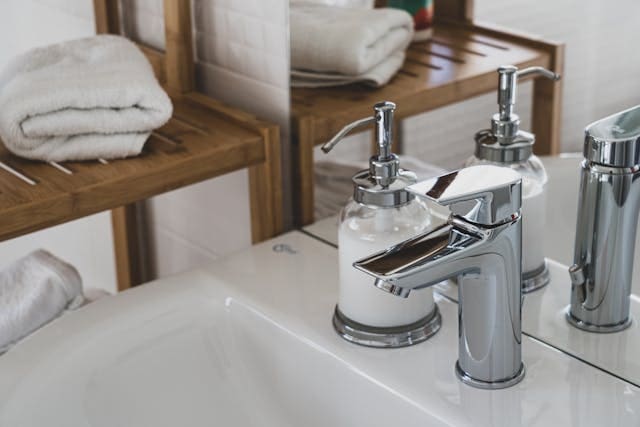
Designing an eco-friendly bathroom is one of the most effective ways to reduce your home’s environmental footprint. Bathrooms are responsible for a significant portion of household water and energy use, from long showers to heated lighting and constant water flow. By making thoughtful design choices, you can create a space that is stylish, functional, and environmentally responsible. Here are practical and inspiring eco bathroom design tips to help you get started.
1. Install Water-Efficient Fixtures
Water conservation is the cornerstone of sustainable bathroom design. Start by replacing outdated fixtures with water-saving alternatives.
Low-flow toilets significantly reduce water usage per flush compared to older models. Many modern dual-flush toilets allow you to choose between a full or partial flush, saving thousands of gallons of water each year.
Water-efficient showerheads and faucets use aeration technology to maintain strong water pressure while reducing flow. Look for fixtures labeled by recognized water-efficiency programs to ensure performance and sustainability. Installing a bidet or bidet attachment is another eco-friendly upgrade, as it reduces reliance on toilet paper and lowers both water and paper waste over time.
Not only will these upgrades lower your environmental impact, but they will also reduce your water bills over time.
2. Choose Sustainable Materials
Material selection plays a major role in eco-friendly bathroom design. Opt for renewable, recycled, or responsibly sourced materials.
Bamboo is a fast-growing renewable resource that works beautifully for cabinetry, shelving, and flooring. It offers durability and a warm, natural aesthetic.
Recycled glass tiles add color and texture while keeping waste out of landfills. These tiles are available in a wide variety of styles and are perfect for backsplashes and shower walls.
Reclaimed wood can be used for vanities or decorative accents, adding character and reducing demand for newly harvested timber.
When selecting materials, look for certifications that verify sustainable sourcing and low environmental impact.
3. Improve Energy Efficiency with Lighting
Lighting accounts for a significant portion of bathroom energy use. Switching to energy-efficient options can make a noticeable difference.
Replace incandescent bulbs with LED lighting, which uses far less energy and lasts much longer. LED mirrors and recessed lighting provide excellent illumination while consuming minimal electricity.
Consider installing motion sensors or timers so lights turn off automatically when not in use. Maximizing natural light through skylights or larger windows can also reduce dependence on artificial lighting during the day.
4. Optimize Ventilation Naturally
Proper ventilation prevents mold and mildew while improving indoor air quality. Traditional exhaust fans can consume energy, but there are eco-conscious approaches to ventilation.
If possible, incorporate operable windows to allow fresh air circulation. Skylights that open can also enhance airflow. When mechanical ventilation is necessary, choose energy-efficient exhaust fans with humidity sensors to operate only when needed.
Good ventilation not only protects your health but also extends the lifespan of your bathroom materials.
5. Install Energy-Efficient Water Heating
Hot water usage contributes significantly to household energy consumption. Upgrading your water heating system can have a substantial environmental impact.
Tankless water heaters heat water on demand rather than storing it continuously, reducing standby energy loss. Solar water heating systems use renewable energy from the sun to provide hot water, further cutting energy bills and carbon emissions.
Insulating hot water pipes can also reduce heat loss and ensure water heats up more quickly, conserving both water and energy.
6. Select Eco-Friendly Paint and Finishes
Conventional paints and finishes often contain volatile organic compounds (VOCs) that release harmful chemicals into the air. In a moisture-rich environment like a bathroom, low-VOC or zero-VOC paints are a healthier and greener choice.
Look for environmentally certified paints and sealants designed for high-humidity areas. These products help maintain indoor air quality while offering durability and resistance to mold.
Eco-friendly finishes not only protect the environment but also create a healthier space for you and your family.
7. Incorporate Smart Storage Solutions
Minimalism and organization contribute to sustainability. Clutter often leads to overconsumption and waste. Design your bathroom with smart storage solutions that encourage intentional use of products.
Built-in shelves, wall-mounted cabinets, and under-sink organizers can maximize space without requiring additional materials. Choose storage units made from sustainable materials to reinforce your eco-conscious design.
By organizing effectively, you reduce product waste and create a calming, spa-like environment.
8. Consider Sustainable Flooring Options
Bathroom flooring must withstand moisture while remaining environmentally responsible. Several eco-friendly flooring options are both durable and attractive.
Cork flooring is renewable, naturally antimicrobial, and comfortable underfoot. It resists mold and mildew when properly sealed.
Recycled porcelain or ceramic tiles are another sustainable option. They are long-lasting and can contain recycled content, reducing environmental impact.
Linoleum made from natural materials such as linseed oil, cork dust, and wood flour is biodegradable and highly durable, making it a strong eco-friendly choice.
9. Reduce Waste with Thoughtful Design
Eco bathroom design goes beyond materials and fixtures; it also includes reducing waste during renovation and everyday use.
If remodeling, try to reuse existing plumbing layouts to avoid unnecessary construction waste. Donate old fixtures or recycle materials whenever possible.
In daily life, incorporate refillable soap dispensers, reusable towels, and sustainable personal care products to minimize single-use plastic waste.
10. Add Greenery for Natural Benefits
Plants can enhance both the aesthetics and sustainability of your bathroom. Certain houseplants thrive in humid environments and improve air quality.
Species like ferns, pothos, and peace lilies do well in bathrooms with indirect light. Plants naturally absorb toxins and add a refreshing, organic feel to the space.
By integrating greenery, you create a healthier and more inviting environment.
Final Thoughts
An eco-friendly bathroom doesn’t require sacrificing style or comfort. By combining water-efficient fixtures, sustainable materials, energy-saving lighting, and mindful daily habits, you can design a space that supports both the planet and your well-being.
Sustainable design is about making conscious choices that add up over time. Whether you’re undertaking a full renovation or making small upgrades, every step toward efficiency and environmental responsibility makes a difference.
With careful planning and thoughtful design, your bathroom can become a beautiful example of sustainability in action—proving that eco-conscious living starts right at home.