

Lung infections are more common than many people realise. They range from mild illnesses that settle on their own to severe conditions that require urgent medical care.
The problem is that early symptoms are often subtle. Many people ignore them, assuming it is just a seasonal cough or temporary weakness.
Delaying treatment can allow an infection to worsen, spread, or cause long-term lung damage. Recognising early warning signs is the first step toward timely care and better recovery.
1. A cough that does not go away
A cough is one of the most common symptoms of lung infections. While short-term coughs are usually harmless, a cough that lasts more than two to three weeks needs attention.
Warning signs include:
- A cough that gradually worsens day by day
- Coughing up thick mucus or phlegm (watch the colour, if it is dark yellow, green or smells bad, then you need to consult a lung doctor)
- Presence of blood in sputum
- Cough disturbing sleep or daily activities
Persistent coughs may indicate infections such as pneumonia, tuberculosis, or chronic bronchitis.
2. Shortness of breath during routine activities
Breathlessness is often blamed on lack of fitness, age, or stress. However, difficulty breathing during simple activities like walking, climbing stairs, or talking should not be ignored.
This symptom may appear as:
- Feeling breathless even at rest
- Rapid or shallow breathing
- A sense of tightness in the chest
Shortness of breath can signal that the lungs are not exchanging oxygen properly due to infection or inflammation.
3. Chest pain while breathing or coughing
Chest discomfort linked to lung infections is often sharp and worsens with deep breathing or coughing. Many people mistake this pain for muscle strain or acidity.
Seek evaluation if chest pain:
- Occurs on one side
- Increases with breathing
- Persists for several days
- Is accompanied by fever or cough
Chest pain may indicate pneumonia or pleural infection and should not be ignored.
4. Fever that keeps coming back
Fever is our body’s natural response to any infection. So if you have a fever that does not go back to normal or keeps returning frequently, it signals a lung infection.
Red flags include:
- Fever lasting more than three days
- Fever with chills or night sweats
- Fever returning after initial improvement
Recurrent fever suggests the infection may not be resolving properly.
5. Extreme Fatigue
We often feel tired during illness, but with a lung infection, the fatigue feels different.
People notice:
- Extreme weakness
- Difficulty in concentrating on tasks
- Feeling tired even after rest
This happens because the body is working harder to fight infection and maintain oxygen levels.
6. Wheezing or noisy breathing
Wheezing is a whistling sound heard while breathing, especially during exhalation. It happens due to narrowed or inflamed airways.
Wheezing is common in asthma, but it can also occur with lung infections such as bronchitis or pneumonia. A medical professional should assess new or worsening wheezing.
7. Bluish lips or fingertips
If you notice a bluish colour in your lips or nails, it is a serious sign. It shows that you have low oxygen levels and need immediate medical help.
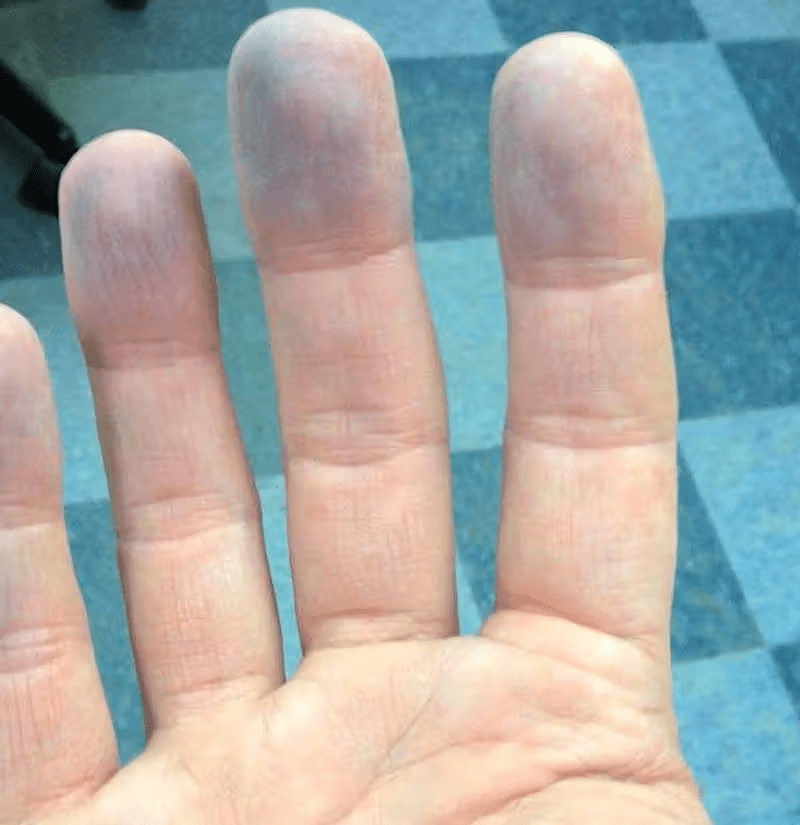
This symptom suggests that the lungs are struggling to supply enough oxygen to the body and should never be ignored.
8. Loss of appetite and unexplained weight loss
When you have a lung infection, it affects your appetite and metabolism. It can also lead to nausea, unintentional weight loss, and reduced food intake.
While these signs may seem unrelated to lung health, they often accompany chronic or severe infections.
Why do people delay seeking care
In today’s fast-paced digital world, many people downplay symptoms after watching quick health tips on Instagram reels, assuming serious lung issues will resolve on their own. Many lung infections worsen because symptoms are dismissed as minor or temporary. Common reasons include:
- Assuming symptoms are due to pollution or weather
- Fear of medical tests or diagnosis
- Self-medicating with home remedies
- Busy schedules and delayed appointments
Unfortunately, delays can lead to complications, longer recovery times, and more intensive treatment.
When to seek medical attention
Medical evaluation is essential if:
- Symptoms persist beyond a few days
- Breathing becomes difficult
- Fever or chest pain develops
- Symptoms worsen instead of improving
| “Many serious lung infections do not start dramatically. Patients often ignore early cough, breathlessness, or fatigue until the infection becomes severe. Paying attention to early warning signs and seeking timely evaluation can prevent complications and long-term lung damage.” — Dr. Sameer Lote, Pulmonologist in Nagpur |
Early diagnosis allows targeted treatment and reduces the risk of complications.
How lung infections are treated
We treat lung infections based on cause and severity. Treatment options may include:
- Antibiotics or medicines
- Inhalation
- Oxygen support
- Rest and supportive care
With proper treatment, most lung infections are manageable, and recovery is smooth.
Preventing lung infections
As a lung doctor in Nagpur, Dr. Sameer guides his patients that not all lung infections are preventable, but simple steps can reduce risk:

Awareness and early action are key to protecting lung health.
Final thoughts
Lung infections often begin quietly. The early signs are easy to miss or ignore, but listening to your body can make a critical difference. A persistent cough lasting 2 weeks or more, breathlessness even while doing the simplest of things, fever, or unusual fatigue are signals that you should not ignore.
Getting medical advice early is not about panic. It is about prevention, timely care, and protecting long-term health.
Author BioDr. Sameer Lote is a lung doctor in Nagpur, known for his clinical focus on diagnosing and managing complex lung infections. Patients regard him as one of the best pulmonologists in Nagpur for evidence-based respiratory care.