

The last few weeks have been undeniably tense. Iranian missiles and drones struck the UAE in early 2026, causing legitimate concern. The fear expats and investors feel right now is entirely valid.
But fear is a terrible financial advisor. Panic selling or retreating to familiar ground often destroys generational wealth. Many investors are currently looking back at the UK as a safe haven.
They are ignoring a quiet, far more certain threat. The UK is suffering a severe structural economic decline. This post strips away the geopolitical noise. We look at the hard economic data to show you where your capital is actually safe over the next decade.
👉 Veer & Sant Real Estate : Your Dubai Property Journey Starts With Clarity
The Core Numbers: Dubai vs UK Property Investment 2026
When you place the two economies side by side, the contrast is stark. Here are the hard metrics shaping the investment landscape this year.
| Economic Metric | 🇦🇪 Dubai / UAE | 🇬🇧 United Kingdom |
| GDP Growth (2026) | 5.0% (Accelerating) | 0.9% (Decelerating) |
| Population Growth | 5.2% (+208,000 in Dubai) | 0.5% |
| Overall Tax Burden | ~15% of GDP | 37–38% (Rising to all-time high) |
| Income & Capital Gains Tax | 0% | 20–45% (Income) / 18–24% (CGT) |
| Average Gross Yield | 5–7% (Up to 9% in key areas) | 3–4% (London) |
| Annual Property Tax | None | Council Tax (£1,200–£5,000+) |
| Long-Term Residency | 10-Year Golden Visa (AED 2M+) | None linked to property |
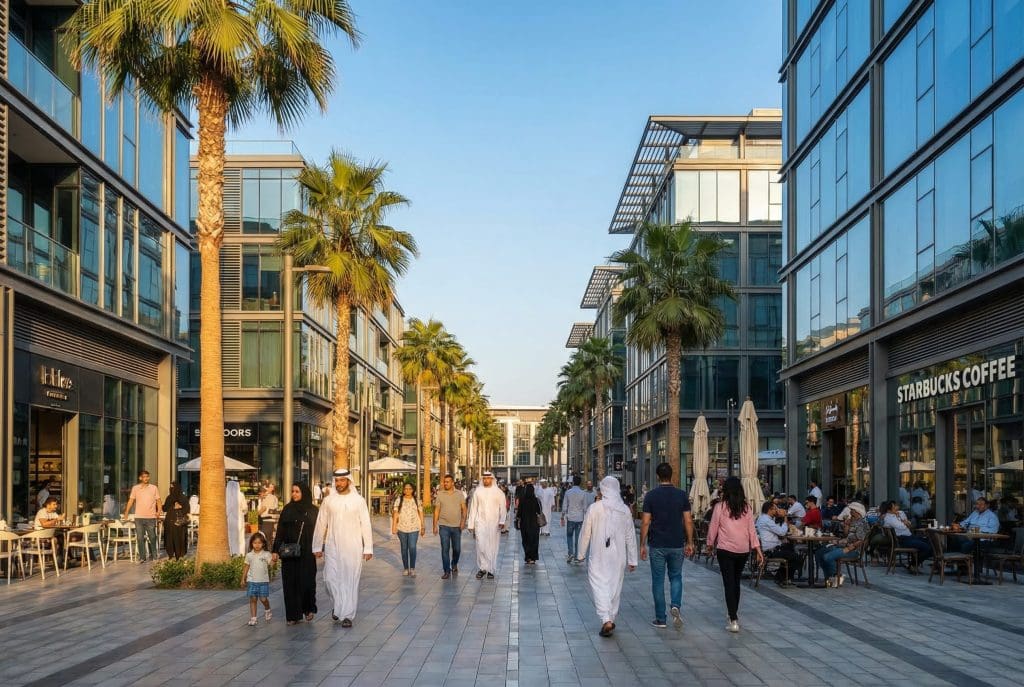
The Macro Picture: Economic Growth and Population Trends
Capital flows toward growth. Right now, these two nations are moving in opposite directions.
Dubai’s 5.0% Acceleration vs. the UK’s 0.9% Stagnation
The UAE economy is forecast by the IMF to grow at 5.0% in 2026. This outpaces the global average and leads the GCC. This growth actively drives job creation, business expansion, and housing demand.
Conversely, the EY ITEM Club forecasts a sluggish 0.9% growth for the UK. UK productivity has flatlined for nearly 16 years.
Furthermore, Dubai is experiencing a massive population influx, adding over 200,000 residents recently. The UK population growth sits at a stagnant 0.5%. A growing population absorbs housing supply and pushes rental prices upward.
The Tax Gap: Why the UK is Bleeding Wealth in 2026
Your gross yield means nothing if the government takes half of it. The UK tax burden is currently the highest in modern history.
In Dubai, you keep 100% of your rental income. There is zero personal income tax. There is no capital gains tax when you sell. There is no inheritance tax to worry about later.
The UK tells a vastly different story. The OBR forecasts the tax burden will exceed 38% of GDP by 2029. Investors face heavy Stamp Duty on purchase. You pay up to 45% income tax on rental profits. When you sell, Capital Gains Tax eats 18-24% of your profit. Fiscal drag is pulling millions into higher tax brackets every year.
Property Market Performance: Yields, Costs, and Capital Growth
Real estate is a numbers game. Let’s look at what your money actually buys and earns in 2026.
Dubai property prices grew by 13% year-on-year. Investors are seeing average gross rental yields of 5-7% citywide. In emerging communities like JVC or Arjan, yields regularly hit 8-9%. Your only major acquisition cost is a one-time 4% Dubai Land Department (DLD) fee.
UK property price growth has slowed to a sluggish 1-2%. London rental yields hover around 3-4%. These low yields often fail to cover current high mortgage interest rates. Add annual Council Tax bills and ongoing maintenance, and your net UK yield shrinks drastically.
The Hidden Advantages: Disposable Income and Visa Security
A property investment should improve your life, not just your spreadsheet. The lifestyle dividends in Dubai are substantial.
Because there is zero income tax, your disposable income is structurally protected. The OBR predicts UK real household disposable income will grow by just 0.25% annually. British wages are stagnating while the cost of living remains stubbornly high.
Dubai also offers unmatched residency security. Buying a property worth AED 2 million secures a 10-year UAE Golden Visa. This grants you and your family long-term stability. The UK offers absolutely no property-linked residency options.
Conclusion: Making a Data-Driven Decision for Your Future
Headlines sell fear, but data reveals the truth. A reactive move back to the UK exposes your capital to high taxes, low yields, and a stagnant economy.
Dubai’s fundamentals remain incredibly robust. The economy is expanding, the population is booming, and your wealth is protected by a zero-tax environment. Over a ten-year horizon, the structural decline of the UK will cost you far more than regional geopolitical friction.
If you are ready to secure high-yield, tax-free assets, Veer & Sant Real Estate is here to help. We provide transparent, data-driven investment strategies tailored to your exact financial goals.
FAQ: Dubai vs UK Property Investment 2026
Is Dubai property a better investment than the UK in 2026?
Yes, for high-yield, tax-free growth. In 2026, Dubai offers 5-7% net yields, 0% property taxes, and 5.0% GDP growth compared to the UK’s 0.9%. The UK presents 3-4% yields, high stamp duty, and a rising tax burden. Dubai’s economic momentum provides a far superior environment for capital appreciation.
What are the property tax differences between the UK and Dubai?
Dubai imposes no annual property or capital gains taxes, charging only a one-time 4% DLD fee. The UK levies heavy ongoing taxes and purchase fees. UK investors face Stamp Duty up to 12%, annual Council Tax bills, and Capital Gains Tax between 18-24% upon selling the asset.
Does buying property in Dubai give you a visa?
Yes. Investors can secure a 10-year UAE Golden Visa by purchasing property worth at least AED 2 million. This offers long-term residency security. This visa extends to your immediate family. The UK property market does not offer any comparable residency or visa benefits for real estate investors.
What is the average rental yield in Dubai vs London?
Dubai consistently outperforms London. Average gross yields in Dubai span 5-7% citywide. London yields stagnate around 3-4%. In high-demand Dubai communities like JVC, yields can reach up to 9%. London’s lower yields often fail to offset current high UK mortgage interest rates and taxes.
Is it economically safe to invest in Dubai real estate right now?
Yes, the economic fundamentals are exceptionally strong. Dubai boasts 5.0% economic growth, a massive population influx, and a highly secure tax-free environment. While regional geopolitical headlines cause anxiety, Dubai provides a stronger, more profitable long-term financial haven compared to the UK’s current structural economic decline.
