
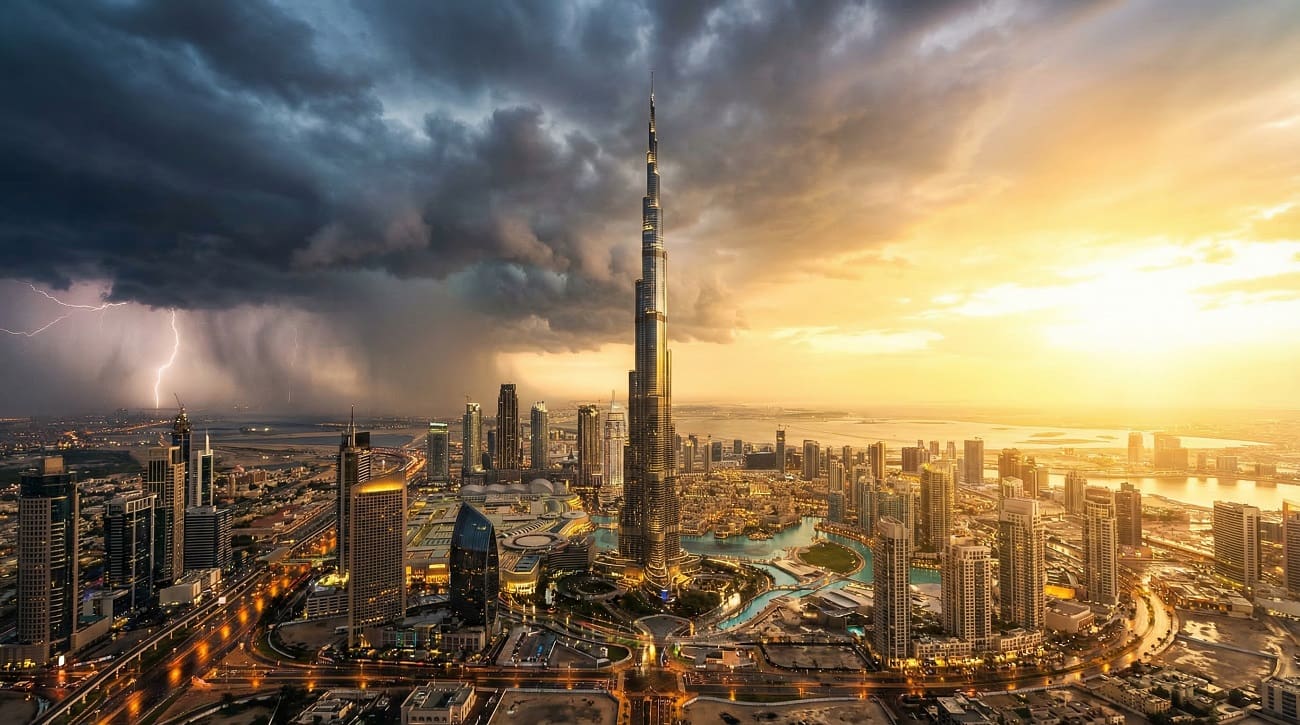
Missiles have struck the UAE. Airspace has faced temporary closures. The Strait of Hormuz is bottlenecked. Mainstream media is predicting the end of the Dubai property market.
Panic selling is a strong temptation right now. If you rely on headlines, you might assume your investments are about to collapse. Uncertainty is high, and making an emotional financial move today could cost you millions.
We have seen this exact panic before. Three times, to be exact. By analyzing official Dubai Land Department (DLD) and UAE Central Bank data from 2008, 2020, and 2022, a clear mathematical pattern emerges. Dubai’s real estate market doesn’t just survive regional shocks; its recovery cycles are accelerating.
The Current Reality: March 2026 Geopolitical Impact vs. Market Data
Missile Strikes, Airspace, and the Immediate Market Reaction
US-Israeli strikes on Iran in late February 2026 triggered immediate regional tension. Over 1,700 projectiles were fired toward the UAE.
The country’s air defense intercepted over 90% of these threats. Airlines temporarily suspended flights to assess the geopolitical impact. The DFM real estate index took a swift 15% hit in a single week.
Why the Property Market is Pausing, Not Collapsing
The physical property market is reacting differently than the stock market. It is pausing to assess risk.
DLD data shows 3,570 property sales worth AED 11.93 billion in the first week of March. By the second week, transaction volume jumped 58%. Total value increased to AED 15.66 billion. The market is adjusting, but it remains a highly active safe haven for global wealth.
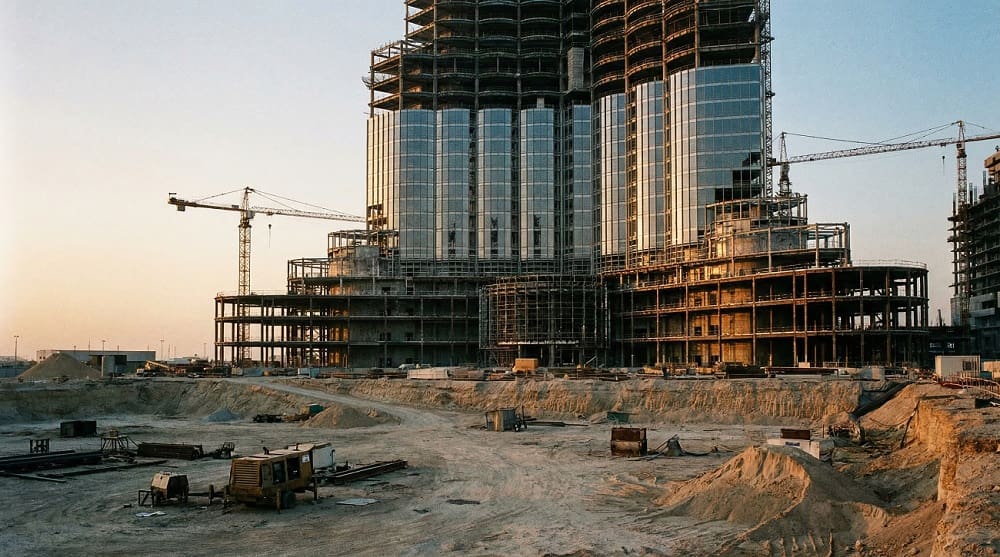
Crisis #1: The 2008 Financial Crash & The Birth of Resilience
The Existential Threat and Government Intervention
The 2008 global financial crash was severe. Property prices plummeted by up to 60% in some areas. Dubai World famously requested a standstill on $59 billion in debt.
However, the government’s response permanently changed the market structure. Authorities created RERA and mandated escrow accounts. These moves protected buyer funds from developer insolvency.
The 5-Year Recovery Cycle
These structural reforms established a strong baseline of trust. The market required roughly five years for property prices to fully recover to pre-crash levels. This initial cycle laid the necessary groundwork for future resilience.
Crisis #2: The 2020 COVID-19 V-Shaped Miracle
From Total Lockdown to All-Time Highs
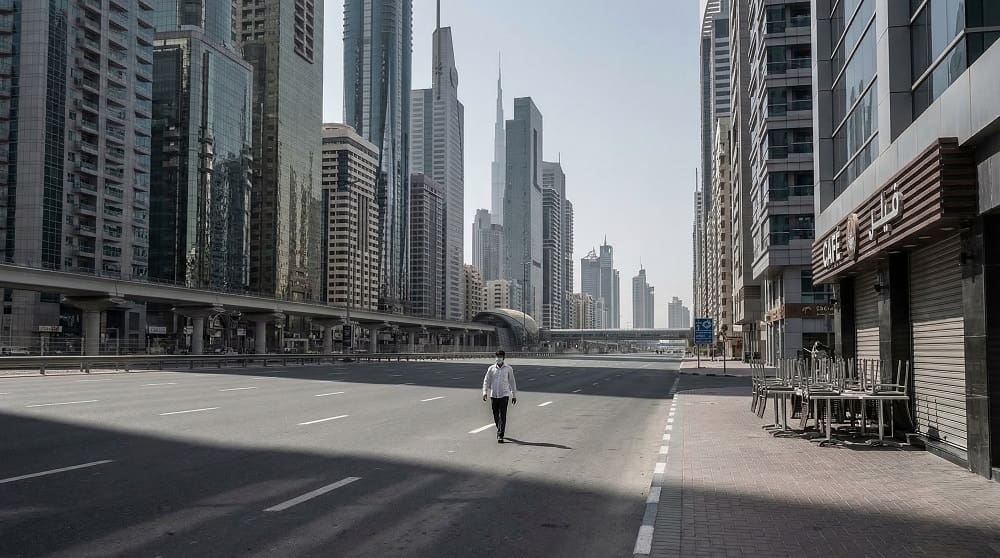
The pandemic froze global movement entirely. Dubai’s GDP contracted by an unprecedented 11.8%. Property transaction volume initially flatlined as borders closed.
Yet, the recovery was drastically faster than the 2008 cycle.
How Central Bank Stimulus Accelerated the Rebound
The Central Bank of the UAE (CBUAE) launched a massive AED 256 billion stimulus package. The government introduced the Golden Visa program. They also successfully hosted Expo 2020.
This engineered a V-shaped recovery. Real estate values hit all-time records within just 24 months.
Crisis #3: The 2022 Conflict & The Flight to Safety
Why Geopolitical Tensions Sparked a Property Boom
The Russia-Ukraine war defied conventional expectations. Instead of a market collapse, Dubai experienced an explosion in growth.
Global wealth required a secure, politically neutral location. Capital flight rushed directly into UAE assets.
The Influx of Foreign Direct Investment (FDI) and HNWIs
Foreign direct investment (FDI) flooded the UAE property market. It solidified its reputation as the ultimate safe haven.
By 2024, property prices had risen 124% from their 2020 lows. Over 7,200 millionaires relocated to the city. The market absorbed immense wealth, proving regional conflicts can paradoxically boost capital appreciation in Dubai.
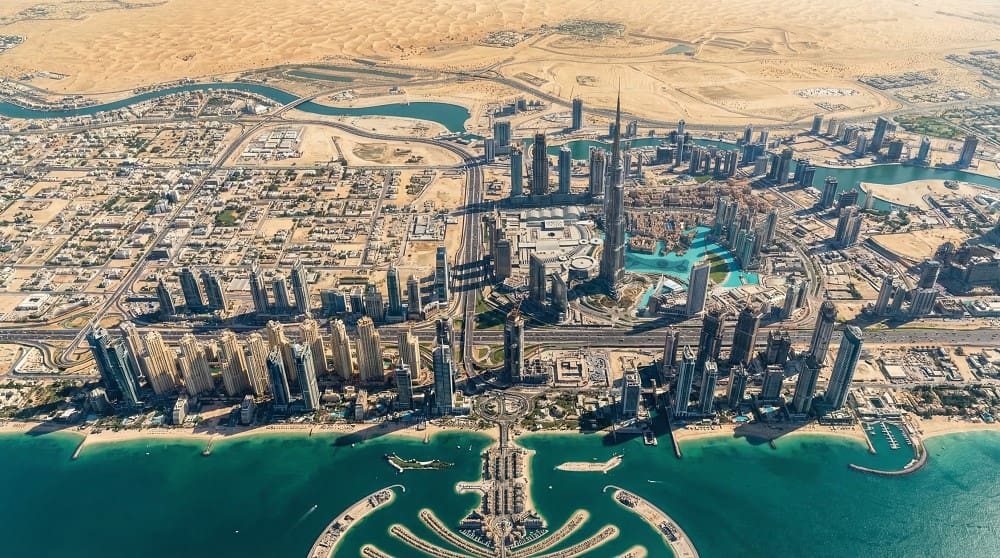
The 2026 Verdict: Is It Safe to Invest in Dubai Right Now?
Media Headlines vs. Market Reality
Headlines sell fear. Data tells the truth. Historically, Dubai property prices experience a brief transaction pause followed by aggressive growth during regional conflicts.
| Metric | The Fear Narrative (Media) | The Ground Reality (DLD Data) |
| Market Status | “Dubai property bubble bursts.” | Transactions rose 58% in week two of March 2026. |
| Foreign Capital | “Investors are fleeing the Middle East.” | The UAE remains the #1 destination for relocating millionaires globally. |
| Long-Term Outlook | “Years of stagnation ahead.” | Post-crisis recovery times have shrunk from 5 years (2008) to 2 years (2020). |
Securing High-ROI Assets with Veer & Sant Real Estate
Investing during geopolitical tension requires precision. You need objective data, not speculation.
At Veer & Sant Real Estate, we analyze DLD transaction volumes daily to identify underpriced assets. We help investors secure high-yield properties while the broader market hesitates. Regional wars create short-term pauses, but those who buy the dip historically capture the highest returns.
Frequently Asked Questions
Q1: Will the Dubai real estate market crash in 2026 due to the Iran conflict?
No historical data suggests a prolonged crash. While temporary transaction pauses occur during regional conflicts, official DLD data demonstrates that the Dubai property market consistently rebounds.
It is currently protected by robust UAE Central Bank reserves. There is also a strong influx of foreign capital actively seeking a safe haven away from conflict zones.
Q2: Is it safe to invest in Dubai property during Middle East tensions?
Yes, Dubai historically functions as a safe haven for global capital. During the 2022 geopolitical conflicts, Dubai saw property prices rise significantly as global investors relocated their wealth.
The government’s rapid economic interventions are highly effective. Secure infrastructure makes long-term real estate investments highly resilient here.
Q3: How long does Dubai real estate take to recover from a crisis?
Market recovery times are measurably accelerating. While the 2008 financial crash took approximately five years for full property price recovery, recent shocks are resolved much faster.
The 2020 COVID-19 pandemic resulted in a rapid V-shaped recovery. Real estate values hit all-time records within just 18 to 24 months due to swift government stimulus.
Q4: What happens to Dubai property prices during a regional war?
Prices often experience a short-term pause followed by aggressive growth. Investors may initially delay purchases, reducing short-term transaction volume.
However, as the UAE demonstrates stability, foreign direct investment (FDI) typically surges. This drives up demand and prices, particularly in the luxury and ready-property sectors.
Q5: How can investors safely secure property in Dubai in 2026?
Partnering with data-driven advisory firms is crucial. Consultancies like Veer & Sant Real Estate provide specialized guidance during market fluctuations.
By utilizing official DLD statistics, you can identify resilient communities. This allows you to mitigate risk and secure high-yield assets even amidst geopolitical uncertainty.
