
Many people try to clean every garment at home using a washing machine. This works for basic items, but it does not work for all clothing. Some garments are made with delicate fabrics, special dyes, or layered construction that react badly to water, heat, and movement. When these items are washed at home, damage can happen fast and cannot be reversed. Shrinkage, discoloration, wrinkles, and loss of original shape are common outcomes.
Dry cleaning methods exist to prevent these problems and support proper textile care. Understanding when home washing causes irreversible results helps protect clothing and avoid unnecessary replacement. In some cases, using a service such as Laundre can help manage both professional garment cleaning and regular laundry with pickup and delivery options that fit into a busy routine.
Why Clean and Dry Clean Care Is Not the Same for Every Garment
To clean clothes at home usually means water, detergent, and spinning inside a washing machine. This process removes surface dirt, but it also forces water deep into fibers. For many garments, this causes stress that leads to damage. Fibers swell, seams weaken, and dyes may move.
Dry clean care works differently. Dry cleaning avoids water and instead uses a liquid solvent to clean. This solvent is designed to dissolve dirt and grease without soaking fibers. Because water is avoided, delicate fabrics are less likely to suffer shrinkage or surface damage.
Garments that often need dry cleaning care include:
- A sweater made from wool or blended fibers
- A jacket dry-cleaned to protect the inner structure
- Suede and specialty fabrics
- Items with unstable dye
When clothes are washed at home, oil-based grime and stubborn stains can set deeper into fabric. Dry cleaning solvent works to dissolve these soils gently, helping garments stay clean and closer to like-new condition.
How Dry Cleaning Works Uses Solvent and Controlled Machines
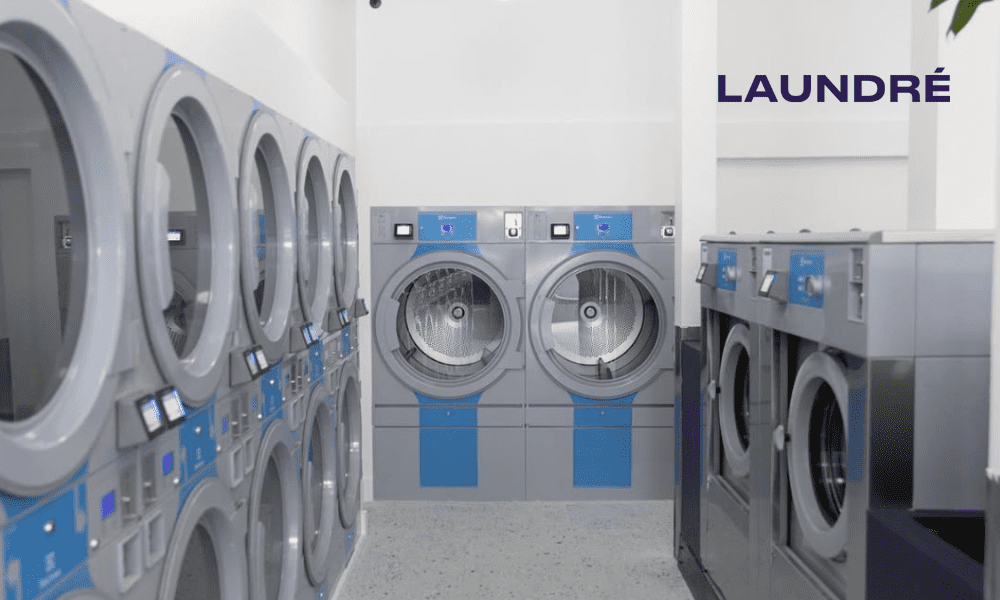
Dry cleaning work relies on modern equipment and chemical solvents. Dry cleaning machines are designed to clean garments safely while controlling every part of the cleaning process. Although they may look similar to a washing machine, they function very differently.
Garments are placed inside a dry-cleaning machine, where a solvent used in dry cleaning flows through the fabric. Common solvents used in dry cleaning include perchloroethylene, also called perc, petroleum-based options, liquid silicone, and liquid carbon dioxide or CO2.
Perchloroethylene has been widely used because it can dissolve oil-based stains, dirt, grease, and grime without damaging fibers. During the cycle, the machine uses filters, enzyme solutions, and activated charcoal to purify the solvent. The machine uses a computer-controlled system to manage temperature, time, and solvent levels.
After cleaning, the system works to remove the solvent so it can evaporate. The solvent is recovered, filtered, and reused. Some solvents, such as kerosene or other petroleum-based liquids, are flammable, so machines are built with strict safety controls. Modern dry cleaners also use environmentally friendly options that meet EPA guidelines, such as liquid carbon dioxide and liquid silicone systems.
Cleaning Services, Pickup Options, and Professional Handling
Professional cleaning services offer more than just cleaning. A dry cleaner inspects each garment before the cleaning process begins. This inspection checks for stains, discoloration risk, fabric weakness, and dye stability. Spot treatment is done first to improve stain removal.
Professional stain removal may include:
- Targeted solvent application
- Enzyme treatment for protein-based spots
- Careful handling of oil-based stains
These steps help remove dirt without spreading stains or setting them deeper. This level of care cannot be achieved with home washing.
Many cleaning services also provide pickup and delivery options. Pickup and delivery or pick-up services save time and reduce the risk of damage from improper storage. Day service and fast turnaround time are often available for workwear and frequently used items. Alteration services may also be offered to adjust fit after cleaning.
The Dry Cleaning Experience and the Process of Dry Cleaning
A proper dry cleaning experience follows a clear and careful process of dry cleaning. Each step is designed to protect the garment and maintain its appearance.
The process of dry cleaning usually includes:
- Inspection for stains, dye issues, and fabric damage
- Spot cleaning to treat visible marks
- Garments are placed carefully into the dry-cleaning machine
- The machine uses a dry cleaning solvent to clean
- The system works to remove the solvent
- Steam finishing to reduce wrinkle and restore shape
Steam is used to smooth garments without soaking fibers. This helps maintain the original shape and prevents shrinkage. Because water is not used, the risk of dye bleeding and fiber swelling is much lower. This is especially important for structured clothing and delicate fabrics.
Drycleaning allows garments to come out clean, smooth, and ready to wear, often looking close to new.
Solvent Types, Environmental Care, and Long-Term Textile Protection
Over time, dry cleaners began improving how solvents are selected and managed. While perchloroethylene has been common, many drycleaners now use alternative chemical solvents that are safer and more environmentally friendly.
Solvents used in dry cleaning today may include:
- Liquid carbon dioxide systems
- Petroleum-based solvents with low odor
- Liquid silicone options
- Organic solvent blends
These solvents are designed to evaporate fully and leave no residue. CO2 systems, for example, use pressure rather than heat and are suitable for very delicate fabrics. Machines are computer-controlled to ensure solvent recovery and fabric safety.
Dry cleaning prevents long-term damage by avoiding water exposure. When garments are washed at home, repeated cycles can weaken fibers, cause discoloration, and shorten lifespan. Dry clean care helps remove dirt and grime while protecting fabric strength. This is especially important for suede, tailored garments, and items worn often.
Clean Results That Home Washing Cannot Achieve
Home washing is not always the right choice. Many garments suffer irreversible damage when washed at home due to water, heat, and movement. Dry clean methods protect delicate fabrics, reduce shrinkage, prevent dye damage, and preserve the original shape. With professional cleaning, proper solvent use, and controlled dry cleaning machines, dry cleaning work delivers results that home washing cannot match. Choosing reliable cleaning services with pickup and delivery supports better textile care and helps garments stay wearable, clean, and well-maintained for years.
