

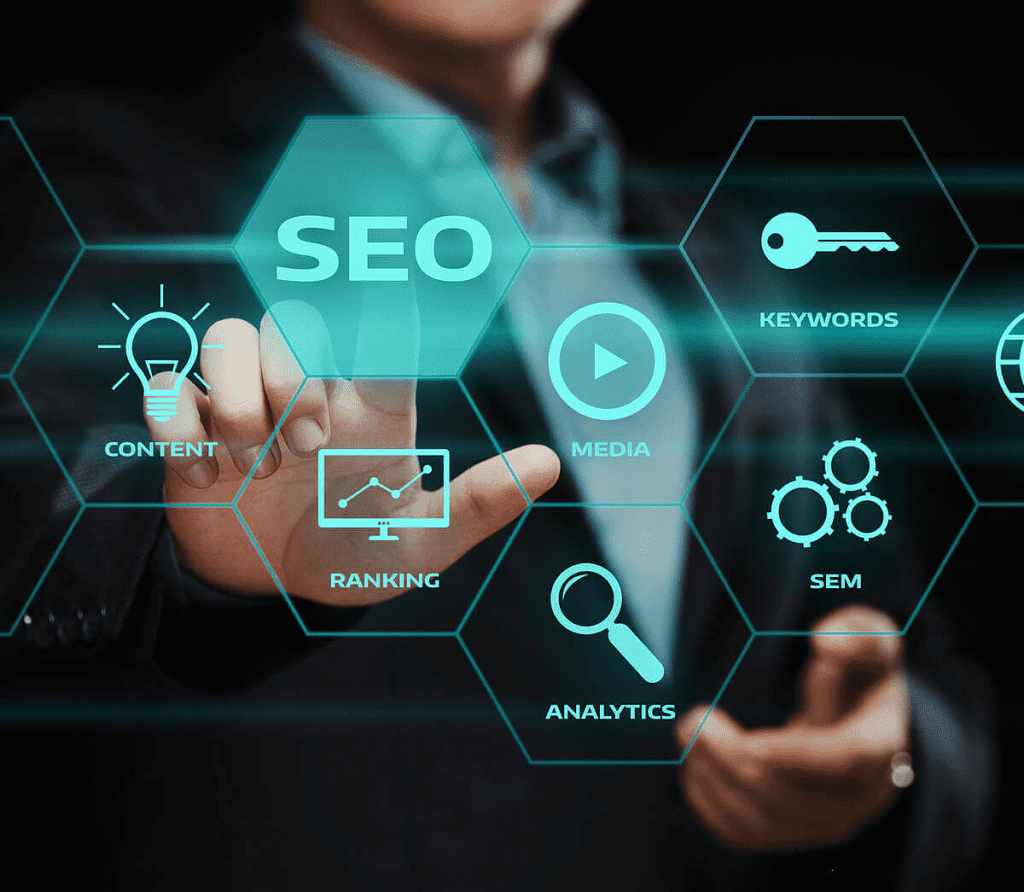
In today’s fast-changing digital landscape, businesses are no longer relying on traditional advertising methods alone. People spend hours scrolling through their phones, reading reviews, and searching for products online. This behavior has made digital marketing one of the most powerful tools for connecting with audiences and building brand trust. It allows businesses to communicate, engage, and convert potential customers using digital platforms.
What Is Digital Marketing?
Digital marketing is the process of promoting products, services, or brands through online channels such as search engines, social media, email, and websites. It focuses on reaching people where they spend most of their time — on the internet. Unlike traditional marketing, it provides real-time data, making it easier to measure results and adjust strategies instantly.
Why Digital Marketing Matters
Digital marketing matters because it gives all businesses, big or small, an equal opportunity to reach audiences. It helps companies build visibility, engage with customers, and create personalized experiences. In a world that thrives on connection, having an online presence is no longer optional — it’s a necessity.
Main Components of Digital Marketing
1. Search Engine Optimization (SEO)
SEO is the foundation of digital marketing. It helps improve your website’s ranking on search engines like Google. The better your ranking, the more people will find your website. SEO includes using relevant keywords, optimizing meta tags, improving page speed, and building quality backlinks. It’s a long-term strategy that builds organic visibility and trust.
2. Content Marketing
Content marketing is about creating valuable information that educates or entertains your audience. This includes blog posts, articles, videos, and infographics. When done correctly, content marketing attracts visitors, builds credibility, and encourages engagement. People are more likely to buy from brands that provide useful content.
3. Social Media Marketing
Social media marketing allows businesses to reach audiences on platforms like Instagram, Facebook, LinkedIn, and TikTok. It’s an effective way to build brand awareness, share updates, and interact directly with customers. Consistent posting and meaningful communication help brands stay relevant and approachable.
4. Email Marketing
Email marketing helps build long-term relationships with customers. It allows businesses to send newsletters, updates, and personalized offers directly to subscribers. When done thoughtfully, email campaigns increase customer loyalty and drive repeat engagement.
5. Pay-Per-Click Advertising (PPC)
PPC involves placing ads on search engines or social platforms where businesses pay only when a user clicks the ad. It’s an effective short-term method to attract potential customers. PPC campaigns work best when combined with SEO and quality landing pages.
6. Influencer and Affiliate Marketing
Partnering with influencers or affiliates allows brands to reach new audiences. Influencers promote products authentically to their followers, while affiliates earn commissions for referring customers. These partnerships can build trust and exposure in a natural way.
7. Analytics and Data Insights
Data is at the heart of digital marketing. Tools like Google Analytics, Search Console, and social media insights help businesses understand user behavior. By analyzing performance metrics, marketers can make informed decisions, optimize strategies, and improve future campaigns.
Advantages of Digital Marketing
- Global Reach – Reach audiences beyond geographical boundaries.
- Cost Efficiency – Digital marketing is more affordable than traditional methods.
- Precise Targeting – Reach specific audiences based on demographics, interests, and behavior.
- Real-Time Performance Tracking – See immediate results and adjust strategies on the go.
- Customer Engagement – Interact directly with your audience through comments, messages, and feedback.
- Brand Building – Strengthen brand identity through consistent digital presence.
The Rise of Mobile Marketing
Most internet users now access websites and social media through mobile devices. Mobile marketing focuses on optimizing content for smaller screens, fast loading times, and easy navigation. A mobile-friendly approach improves user experience and boosts search engine performance.
The Role of Artificial Intelligence (AI)
AI has brought a major shift in digital marketing. It helps marketers analyze trends, predict consumer behavior, and deliver personalized recommendations. Chatbots, automated email campaigns, and smart data tools are examples of how AI enhances user experience and marketing efficiency.
Future Trends in Digital Marketing
The digital world never stops evolving. Some emerging trends include:
- Voice Search Optimization: People are using smart devices for voice queries, changing the way keywords are used.
- Short Video Content: Platforms like TikTok and YouTube Shorts are driving higher engagement.
- Sustainability Marketing: Consumers now prefer eco-friendly brands that promote transparency.
- Augmented Reality Experiences: AR is enhancing how consumers experience products before purchase.
Overcoming Challenges in Digital Marketing
Digital marketing also comes with challenges such as competition, algorithm changes, and content overload. Success requires continuous learning, creativity, and adaptability. Staying updated with current trends helps marketers stay ahead and remain relevant.
Building a Successful Digital Marketing Strategy
To create a strong marketing plan, follow these steps:
- Identify your audience and understand their needs.
- Set clear goals aligned with your business objectives.
- Select the best digital channels for your audience.
- Develop a consistent and engaging content plan.
- Track performance using analytics and make adjustments as needed.
- Stay creative and keep experimenting with new tools and ideas.
A flexible strategy ensures your marketing efforts grow with your audience and technology.
Conclusion
Digital marketing is more than just a business tool — it’s a bridge that connects brands with people. It creates opportunities for engagement, storytelling, and long-term success. As technology evolves, so will the way businesses communicate with their customers. Staying informed, adaptable, and authentic is the key to succeeding in the digital world.
Frequently Asked Questions (FAQ)
1. What makes digital marketing better than traditional marketing?
Digital marketing allows real-time tracking, audience targeting, and cost-effective strategies that traditional methods can’t match.
2. Can digital marketing work for local businesses?
Yes, local businesses can use strategies like local SEO and social media marketing to attract nearby customers.
3. What type of content works best online?
Content that educates, entertains, and adds value — such as videos, blogs, and infographics — performs best.
4. How can I measure digital marketing success?
Use tools like Google Analytics to track metrics such as website traffic, engagement rate, and conversion rate.
5. Is social media necessary for digital marketing?
Yes, social media builds brand visibility and fosters community engagement, which helps long-term growth.
6. What skills are essential for digital marketers?
Key skills include SEO, content creation, data analysis, creativity, and adaptability to new technologies.