
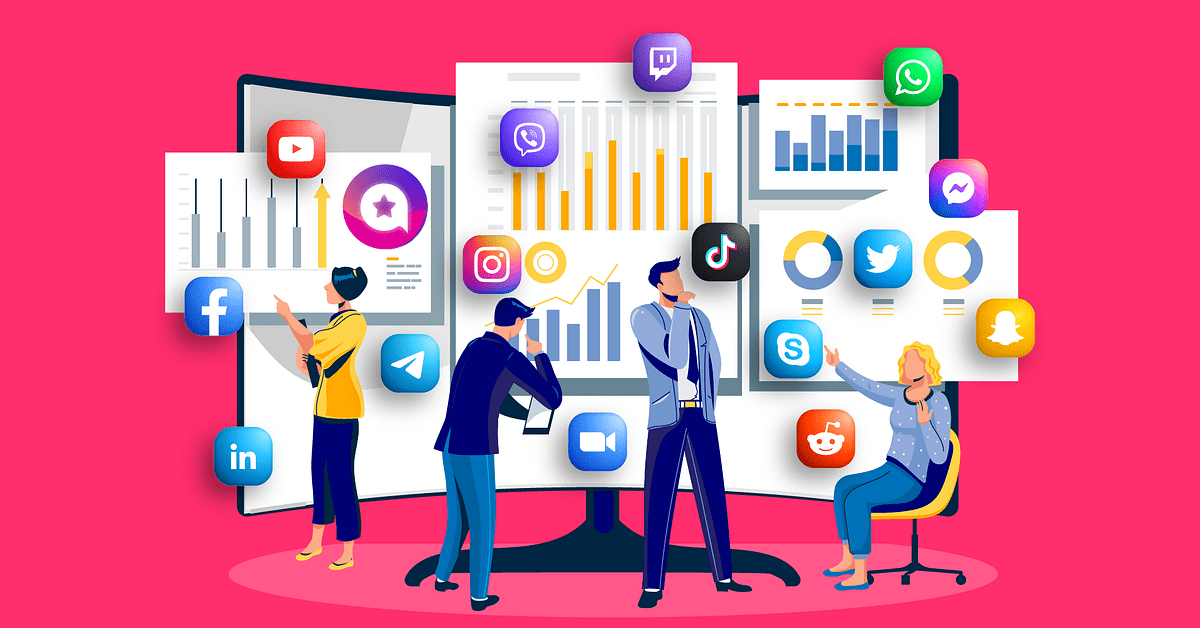
Over the past decade, social media has transformed how businesses connect with customers. What once started as platforms for personal interaction has evolved into powerful marketing ecosystems where brands build awareness, generate leads, and maintain long-term relationships with their audiences. Today, digital marketing is deeply intertwined with social media, making it essential for businesses to stay updated with emerging trends. Ignoring these changes can mean falling behind competitors who are quick to adapt and engage.
Below are some of the most important trends shaping digital marketing in the social media era that businesses simply cannot afford to overlook.
1. The Rise of Short-Form Video Content
Short-form videos have become one of the most effective ways to capture attention online. Platforms such as TikTok, Instagram Reels, and YouTube Shorts have popularized quick, engaging videos that deliver information in seconds.
Consumers today prefer content that is easy to consume and entertaining. Short videos allow brands to explain products, share tips, or tell stories without requiring a large time commitment from viewers. Businesses that regularly create creative and informative short videos tend to see higher engagement, stronger brand recognition, and improved reach.
Companies that want to stay competitive should invest in video-based content strategies and experiment with different formats such as tutorials, behind-the-scenes clips, or quick product demonstrations.
2. Authentic and Relatable Brand Communication
Modern consumers value authenticity more than polished corporate messaging. Social media has made it easier for people to interact directly with brands, which means audiences can quickly recognize content that feels overly promotional or artificial.
Businesses that adopt a more human tone and show transparency often build stronger relationships with their followers. Sharing real stories, customer experiences, and genuine brand values can make a company more relatable.
Instead of focusing only on sales-driven messaging, successful brands now prioritize storytelling, community engagement, and meaningful conversations with their audience.
3. Influencer and Creator Partnerships
Influencer marketing has become a major part of digital marketing strategies. Social media creators have built loyal communities that trust their opinions and recommendations. When a trusted influencer introduces a product or service, it often feels more authentic than traditional advertising.
However, the trend is shifting from working only with large influencers to collaborating with micro and niche creators. These smaller creators usually have highly engaged audiences within specific industries or interests, making their recommendations more credible.
Businesses that build long-term partnerships with relevant creators can increase brand visibility, expand their reach, and build trust among new audiences.
4. Social Commerce Is Growing Rapidly
Social media platforms are no longer just places to discover products. They have increasingly become direct shopping channels. Features such as Instagram Shops, TikTok shopping integrations, and in-app checkout options allow users to purchase products without leaving the platform.
This shift has simplified the customer journey. Instead of moving from social media to an external website, users can explore, evaluate, and purchase within the same environment.
Businesses that optimize their social profiles for product discovery and integrate social commerce features can significantly improve conversion rates. High-quality visuals, product demonstrations, and customer reviews play an important role in making social commerce successful.
5. Data-Driven Personalization
Social media platforms generate a large amount of user data, which allows businesses to create highly targeted marketing campaigns. Instead of showing the same message to everyone, brands can now personalize content based on user interests, behaviors, and demographics.
Personalized advertising and content recommendations increase engagement and improve the chances of conversion. For example, businesses can retarget users who previously interacted with their content or visited their website.
The brands that succeed in the social media era are those that analyze performance metrics, monitor audience insights, and continuously refine their strategies based on data.
6. Community Building Over Audience Growth
In the past, many brands focused heavily on increasing follower counts. While having a large audience can be beneficial, the current trend emphasizes building strong communities rather than simply gaining numbers.
A smaller but engaged community often brings more value than a large passive audience. Businesses that respond to comments, participate in conversations, and encourage user-generated content tend to create loyal followers who actively support the brand.
Communities help brands generate organic reach, build credibility, and maintain long-term relationships with customers.
7. The Integration of AI in Social Media Marketing
Artificial intelligence is becoming an important part of digital marketing strategies. AI-powered tools can help businesses generate content ideas, analyze audience behavior, automate responses, and optimize advertising campaigns.
These tools allow marketers to save time while making more informed decisions. AI can also assist in identifying trending topics and predicting what type of content may perform well with specific audiences.
As technology continues to evolve, businesses that adopt AI-driven tools will gain a competitive advantage by improving efficiency and delivering more relevant content.
Conclusion
The social media landscape continues to evolve rapidly, and digital marketing strategies must evolve alongside it. Businesses that embrace emerging trends such as short-form video, authentic communication, influencer partnerships, social commerce, and data-driven personalization are better positioned to capture attention and build meaningful connections with their audiences.
Success in the social media era is no longer just about promoting products. It is about creating engaging experiences, building communities, and providing value to customers through consistent and relevant content.