
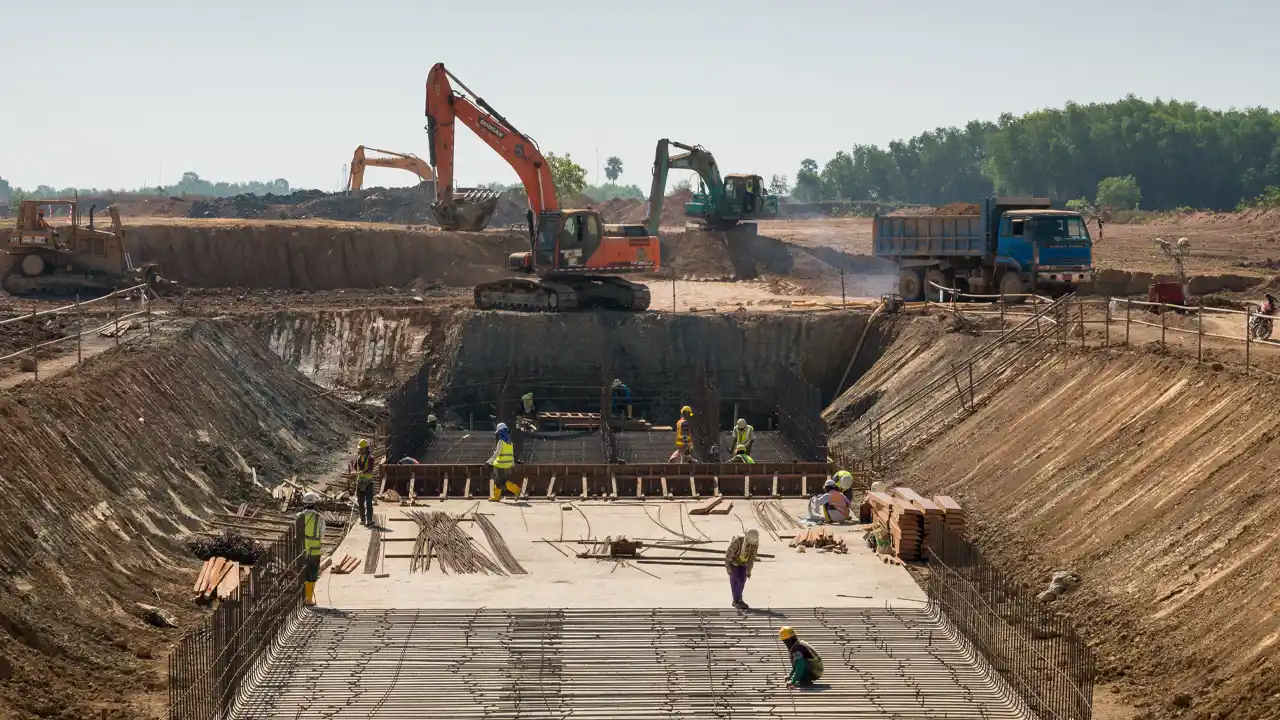
In the construction industry in the United States, many terms are often used together, such as civil work, sitework, and earthwork. While they are related, they do not mean the same thing. Understanding the difference is important for contractors, builders, and material suppliers. It helps in better planning, accurate pricing, and smooth project execution.
At the early stage of a project, many contractors rely on sitework takeoff services to understand quantities and scope. This is where knowing these terms becomes very important.
What is Civil Work?
Civil work is a broad term. It includes all construction activities related to infrastructure and public works. This can include roads, bridges, drainage systems, utilities, and large-scale developments.
Civil construction is usually handled by civil engineers and includes both design and execution. It covers everything from planning to final construction. For example, building a highway or a stormwater drainage system is considered civil work.
For contractors, civil work means managing large and complex projects. For material suppliers, it involves supplying bulk materials like concrete, steel, pipes, and aggregates.
What is Sitework?
Sitework is a part of civil construction, but it focuses only on preparing a specific construction site. Before any building can start, the land must be made ready. This is where sitework comes in.
Sitework includes tasks like:
- Land clearing
- Grading and leveling
- Installing utilities (water, sewer, electrical)
- Building access roads and parking areas
- Drainage preparation
In simple words, sitework prepares the land so that vertical construction (like buildings) can begin.
Contractors often use sitework estimating services to calculate costs for these activities. Accurate estimates help avoid delays and budget issues. For suppliers, sitework means providing materials like gravel, pipes, manholes, and erosion control items.
What is Earthwork?
Earthwork is a subset of sitework. It deals only with soil movement. This includes cutting, filling, excavating, and compacting soil.
Common earthwork activities include:
- Excavation for foundations
- Filling low areas with soil
- Removing unsuitable soil
- Compaction for stability
Earthwork is one of the first steps in site preparation. Without proper earthwork, the entire project can face structural issues later.
For contractors, earthwork requires heavy equipment like excavators, bulldozers, and graders. For material suppliers, it may involve supplying fill material, sand, or topsoil.
Key Differences Between Civil, Sitework, and Earthwork
Understanding the differences can help avoid confusion:
1. Scope of Work
- Civil work is the largest category.
- Sitework is part of civil work.
- Earthwork is part of sitework.
2. Type of Activities
- Civil work includes complete infrastructure projects.
- Sitework focuses on preparing the construction site.
- Earthwork focuses only on soil movement.
3. Project Stage
- Civil work covers all stages.
- Sitework comes before building construction.
- Earthwork is usually the first step within sitework.
4. Materials and Equipment
- Civil work uses a wide range of materials.
- Sitework uses construction and utility materials.
- Earthwork mainly deals with soil and heavy machinery.
Why This Difference Matters
For contractors in the U.S., knowing these differences helps in bidding and project management. Each type of work has different costs, timelines, and risks.
For example, if earthwork is not estimated correctly, it can lead to major cost overruns. This is why many professionals use sitework takeoff services early in the bidding process to get accurate quantities.
Similarly, clear understanding helps material suppliers provide the right materials at the right time. Supplying incorrect materials can delay the project and increase costs.
Role of Estimation in These Works
Estimation plays a key role in all three types of work. However, sitework and earthwork require detailed quantity calculations because small errors can lead to large financial losses.
Using professional sitework estimating services helps contractors:
- Improve bid accuracy
- Save time
- Reduce risk
- Win more projects
Accurate estimation also helps in better communication between contractors and suppliers.
Conclusion
Civil work, sitework, and earthwork are closely related but different in scope and function. Civil work is the overall category that includes everything. Sitework prepares the land for construction, and earthwork focuses only on soil movement.
For contractors and material suppliers in the United States, understanding these differences is very important. It leads to better planning, accurate cost estimation, and successful project delivery.