
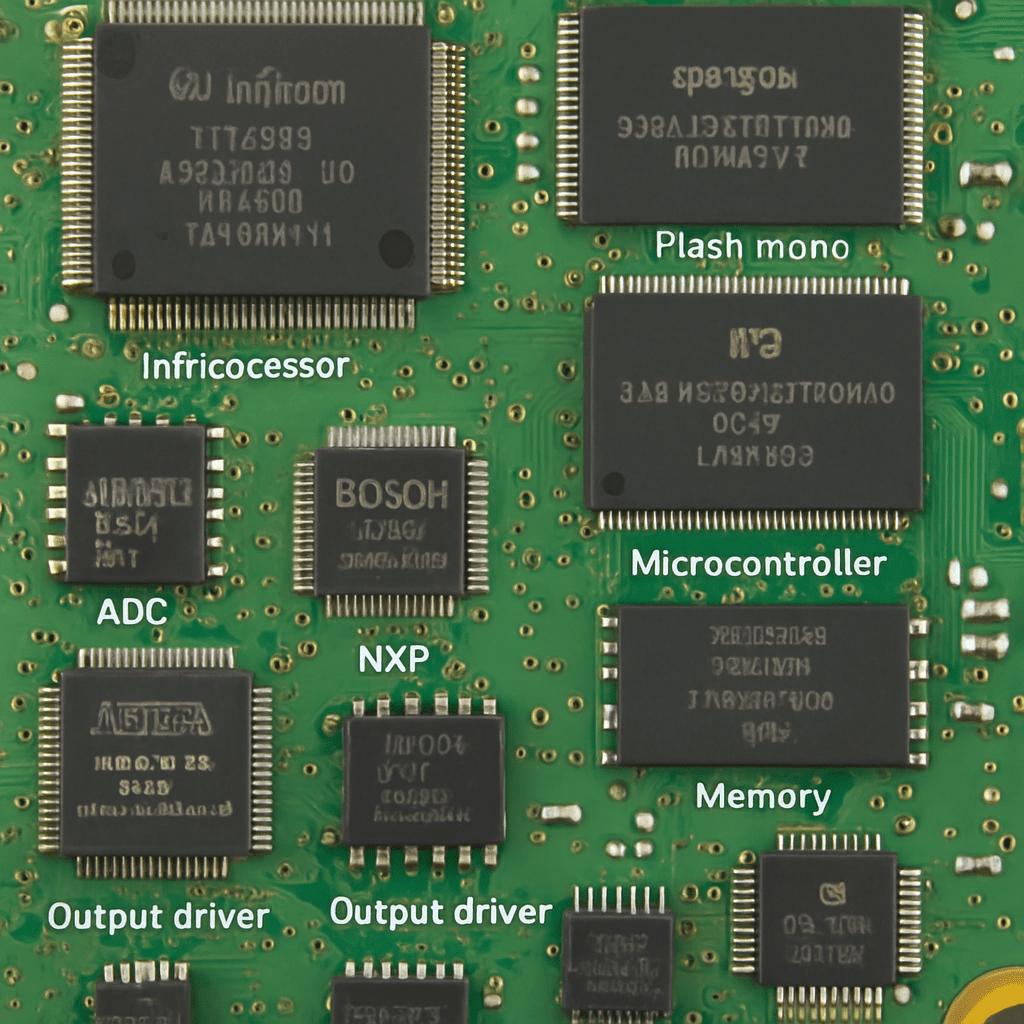
Diesel engines are known for their durability, high torque, and fuel efficiency, making them a preferred choice for commercial vehicles, trucks, and heavy-duty machinery. In modern diesel engines, electronic systems play a crucial role in optimizing performance, reducing emissions, and ensuring reliability. At the heart of these systems lies the Diesel Engine IC, a sophisticated integrated circuit that manages key engine functions to maximize efficiency and power output.
The Diesel Engine IC is designed to work in conjunction with the engine control unit (ECU), processing real-time data from sensors and regulating vital components such as fuel injectors, turbochargers, and exhaust gas recirculation systems. By ensuring precise control of these systems, the Diesel Engine IC improves fuel efficiency, reduces emissions, and enhances engine longevity.
What Is a Diesel Engine IC?
A Diesel Engine IC is an integrated circuit that serves as the electronic brain for modern diesel engines. Unlike traditional mechanical systems, which relied on fixed fuel injection timing and manual adjustments, the Diesel Engine IC enables dynamic control over engine parameters.
This IC receives data from various sensors—including crankshaft position, engine temperature, air pressure, and fuel flow—and calculates the optimal settings for fuel injection, combustion timing, and turbo boost pressure. By doing so, it ensures the engine operates efficiently under all conditions, from low-speed city driving to high-load highway operation.
How Diesel Engine IC Works
The Diesel Engine IC continuously monitors key engine parameters to maintain optimal performance. It communicates with the ECU to adjust the following:
- Fuel Injection Timing: Ensures precise fuel delivery to each cylinder for maximum combustion efficiency.
- Turbocharger Control: Regulates boost pressure to improve power output without overloading the engine.
- Exhaust Gas Recirculation (EGR): Manages exhaust gas flow to reduce emissions.
- Glow Plug Timing: Controls the preheating of cylinders for smooth cold starts.
By adjusting these parameters in real time, the Diesel Engine IC prevents engine knock, reduces fuel consumption, and enhances overall drivability.
Benefits of a Diesel Engine IC
Integrating a Diesel Engine IC into a diesel engine system offers multiple advantages:
- Enhanced Power and Torque: Precise fuel and turbo management deliver improved engine performance.
- Improved Fuel Efficiency: Optimized combustion reduces fuel wastage and lowers operating costs.
- Reduced Emissions: Controlled EGR and combustion timing help meet stringent environmental regulations.
- Smooth Engine Operation: Prevents rough idling, misfires, and engine stalling.
- Longer Engine Life: Reduces mechanical stress on critical engine components through precise control.
These benefits make the Diesel Engine IC essential for modern diesel engines, ensuring reliability, efficiency, and performance in all driving conditions.
Applications of Diesel Engine IC
Diesel Engine ICs are versatile and used across a wide range of vehicles and machinery:
- Commercial Trucks and Buses: Maintains engine performance under heavy loads and long-distance operation.
- Agricultural Equipment: Provides reliable engine control for tractors, harvesters, and other farm machinery.
- Construction Machinery: Optimizes engine operation in bulldozers, excavators, and cranes.
- Passenger Diesel Vehicles: Enhances fuel efficiency and emissions compliance in diesel cars and SUVs.
- Marine Engines: Ensures consistent performance and durability for diesel-powered boats and ships.
The Diesel Engine IC’s ability to adapt to varying loads and conditions makes it indispensable in both transportation and industrial applications.
Signs of a Malfunctioning Diesel Engine IC
While Diesel Engine ICs are highly durable, they can experience issues due to heat, vibration, or electrical faults. Common signs of a failing IC include:
- Rough idling or engine misfires
- Reduced acceleration or power output
- Increased fuel consumption
- Difficulty starting, especially in cold weather
- Dashboard warning lights related to engine performance or emissions
Early detection and repair of a faulty Diesel Engine IC can prevent serious engine damage and maintain vehicle reliability.
Installation and Maintenance Considerations
Installing or replacing a Diesel Engine IC requires technical expertise. Proper calibration and alignment with the ECU and engine sensors are critical to ensure accurate performance. Using high-quality ICs from reputable manufacturers guarantees longevity and consistent operation.
Routine maintenance, including ECU diagnostics, software updates, and sensor inspections, can extend the life of the Diesel Engine IC. Avoiding voltage surges, extreme temperatures, and physical damage also helps maintain reliable operation over time.
Performance Tuning with Diesel Engine IC
For enthusiasts or commercial operators looking to maximize engine output, the Diesel Engine IC can be tuned for enhanced performance. By adjusting fuel injection maps, turbocharger settings, and ignition timing, professional tuners can extract more power, improve torque, and optimize efficiency.
Performance tuning must be done carefully to maintain engine safety and comply with emission regulations. A well-tuned Diesel Engine IC can provide smoother acceleration, higher towing capacity, and reduced fuel costs while protecting engine components from undue stress.
Future of Diesel Engine IC
The future of Diesel Engine ICs is intertwined with advancements in smart automotive technology:
- AI and Machine Learning: ICs that adapt in real time to driving behavior and environmental conditions.
- Hybrid Diesel Integration: Coordination with electric motors for optimal power distribution and efficiency.
- Predictive Maintenance: Monitoring engine parameters to identify potential issues before failure occurs.
- Eco-Friendly Tuning: Reducing emissions while maintaining power and performance through advanced IC algorithms.
These innovations will make diesel engines more efficient, responsive, and environmentally sustainable, further emphasizing the importance of the Diesel Engine IC.
Conclusion
The Diesel Engine IC is a cornerstone of modern diesel engine management, enabling precise control over fuel injection, turbocharging, and exhaust management. By ensuring accurate timing and optimized engine operation, it improves performance, fuel efficiency, emissions control, and engine longevity.
Whether in commercial trucks, agricultural machinery, construction equipment, or passenger vehicles, the Diesel Engine IC plays a critical role in ensuring reliability and maximizing performance. Proper installation, calibration, and maintenance are key to unlocking its full potential, making it an indispensable component in modern diesel engines.