

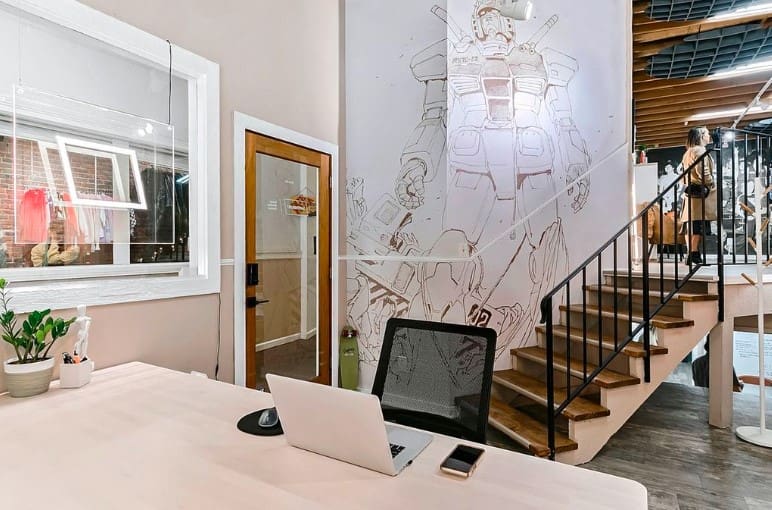
In the creative world, freedom often comes with a price. Every designer and agency faces the same quiet question that lingers behind the excitement of a new brief: What are we helping to sell? It’s easy to chase opportunity when a project looks glamorous or pays well, but at some point, a line appears. For some, it’s blurry. For others, it’s bold and deliberate. For Superbase, that line is clear and intentional.
Founded by creative director Kelly Dee Williams, Superbase has built its name not only through sharp design and strategy but also through silently maintaining a strong moral compass. The agency believes that what you create should reflect what you stand for. In an industry where brand loyalty often outweighs ethical boundaries, Superbase’s approach feels like a quiet rebellion.
Kelly Dee Williams’ Philosophy
Williams started Superbase after years of working across lifestyle, outdoor, and action sports industries. He noticed something troubling along the way. Too many talented creatives were building beautiful campaigns for brands that were, in reality, feeding harmful habits or promoting empty values. The work looked great, but the purpose behind it often bordered on manipulative.
When he founded Superbase in 2016, Williams wanted to build a studio that stood for something more than design. He chose to decline projects for companies that contributed to addiction or harm. That includes industries like gambling, spirits, tobacco, and others that prey on impulse or insecurity. It wasn’t a performative stance or marketing move. It was a personal decision to align his own creativity with his conscience.
“We can’t talk about design as a force for good if we’re not selective about what that design serves,” Williams once said in an interview. His belief is that a brand’s visual identity, story, and strategy all carry real influence. And with influence comes responsibility.
The Modern Designer’s Dilemma
Most creatives enter the industry because they love making things. Yet once client work begins, those ideals can get tangled in contracts, deliverables, and deadlines. It’s one thing to create for a brand that sells shoes or coffee. It’s another to design for one that thrives on addiction or deception. The challenge for today’s designer isn’t just artistic. It’s ethical.
There’s constant pressure to stay commercially relevant, especially in an economy that values speed over depth. Saying “no” to a lucrative project can feel risky. Studios have bills to pay, teams to support, and reputations to maintain. But as Williams and his team show, integrity is not the enemy of growth. It’s the reason for it.
Superbase’s quiet commitment has become part of its identity. In a world where brand partnerships often look transactional, Superbase builds relationships based on shared principles and long-term vision.
The Superbase Approach
Each project begins with a question: Does this brand contribute positively to the culture or community it touches? If the answer feels uncertain, the team steps back and rethinks whether it’s a fit.
But this inquiry isn’t always about morals. Often, it’s about whether the brand contributes to it’s industry by way of innovation, giving back to the ecosystem, or whether it has a unique value proposition.
This clarity doesn’t limit creativity. It amplifies it. Knowing what not to do helps define what truly matters. Superbase’s work thrives on authenticity, grounded storytelling, and design that feels human. They build brand identities that people can trust, not just recognize. Their process values dialogue and honesty over showmanship, which creates work that stands up to scrutiny long after the campaign fades.
Superbase’s story is a reminder that creativity doesn’t have to bow to compromise. Integrity doesn’t slow growth. It refines it. In an era where brands are increasingly held accountable for their impact, agencies that take a stand will lead the next wave of meaningful design.
The work you take on becomes part of your reputation, and the values you hold become part of your work. Superbase has built its success on that understanding. Their commitment to design with a conscience has not only earned them respect but also deep trust from clients and communities alike. For Williams and his team, design is not just about how something looks. It’s about what it represents. And in a crowded creative landscape, that difference matters more than ever.
