
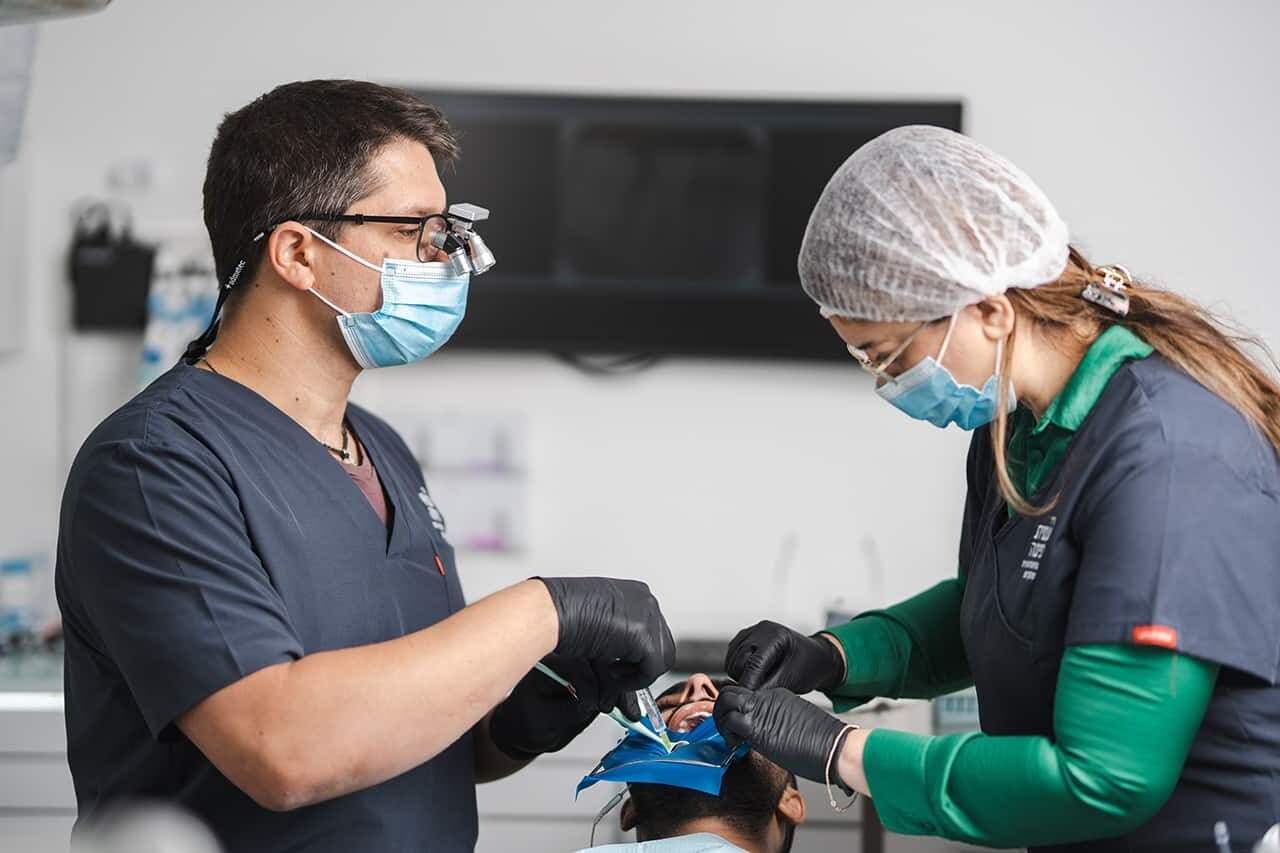
The progression of dental technology has been nothing short of extraordinary, and among the various innovations introduced to the field, dental loupes stand out as a pivotal tool for enhancing the dentistry practice. The introduction and evolution of these precision-enabling devices have transformed the way dental professionals approach oral healthcare. This article delves into how dental loupes are revolutionising precision in dentistry, providing an in-depth look at their utility and benefits.
The Essential Role of Dental Loupes
Dental loupes are magnification devices that are specifically designed to be worn by a dentist, hygienist, or dental surgeon. They enable the practitioner to scrutinise the oral cavity with enhanced visual acuity, ensuring a level of detail that the naked eye simply cannot match. The impact of loupes in dentistry cannot be understated, as they directly contribute to improved diagnostic capabilities, increased procedural accuracy, and better ergonomics for the dental professional.
Improved Diagnosis and Treatment Outcomes
The use of dental loupes facilitates a closer examination of teeth and gums, enabling the detection of issues such as micro-fractures, caries in their early stages, and even subtle signs of gum disease that might otherwise go unnoticed. With magnification, dentists can also perform treatments with greater precision, leading to enhanced outcomes and patient satisfaction. The minutiae of dental work, which call for meticulous attention, are made more manageable through the clarity and enlarged vision provided by loupes.
Enhanced Ergonomics and Comfort
Ergonomics in dental practice is critical for the long-term health and comfort of dental professionals. Without proper magnification, dentists might find themselves hunching over or straining to get a better view, which can lead to musculoskeletal issues over time. Dental loupes help by enabling a more natural, upright posture, reducing the risk of neck and back pain associated with prolonged dental procedures.
Customisation Options
With the wide array of loupes available on the market, it’s possible for dental professionals to choose a pair that matches their specific needs. Factors like working distance, level of magnification, field of view, and weight can all be tailored. Furthermore, the integration of features such as LED lighting can enhance visibility even in the depths of the oral cavity, allowing for a more comprehensive examination and treatment process.
Adoption of Dental Loupes in Clinical Practice
The adoption of dental loupes across clinical settings is indicative of their value within dentistry. Academic dental institutions incorporate the use of loupes into their curriculum, ensuring that new generations of dental practitioners are adept at using them. This normalisation of loupes in the educational realm braces the industry for a future wherein all dentists will have had experience with these magnification tools from the onset of their careers.
Considerations for Choosing Dental Loupes
When selecting dental loupes, practitioners must consider a plethora of factors. The choice between Galilean and prism (or Keplerian) systems, each offering different magnification levels and weights, is one such consideration. The balance between the level of detail required and the comfort of wearing the loupes for extended periods is another important factor.
Technological Advancements
Technological advancements in the field of dental optics continue to push the boundaries of what is possible with loupes. High-definition optics, customisable frames, and advanced coating technologies that reduce glare and improve clarity are just some of the cutting-edge improvements that enhance the functionality and user experience of dental loupes.
The Future of Dental Loupes
As dental loupes become increasingly integrated into everyday practice, their evolution is expected to continue. Future iterations may include features such as augmented reality (AR), allowing dentists to access digital overlays of patient data in their field of view. Connectivity enhancements could also lead to the integration of loupes with practice management systems, further streamlining the dental workflow.
The Impact on Specialised Dental Fields
Specialised fields within dentistry, such as endodontics, periodontics, and oral surgery, benefit greatly from the use of dental loupes. In procedures that require an exceptional degree of precision and control, such as root canal treatments or periodontal surgery, loupes are indispensable for ensuring optimal results. They allow specialists to operate with confidence, knowing that they can see the minutest details of their work.
Patient Education and Engagement
Dental loupes also play a role in patient education and engagement. By describing the enhanced visibility that loupes provide, professionals can better communicate the intricacies of dental issues and the justification for recommended treatments. In some cases, it’s even possible to share the magnified view with patients via intraoral cameras, thereby fostering a greater understanding and appreciation for the dental work being performed.
Conclusion
The revolutionary impact of dental loupes in the realm of dentistry cannot be overstated. As they continue to evolve, the heightened visual accuracy and ergonomics they provide will remain integral to the advancement of dental care standards. Equipping practitioners with the ability to see with unparalleled clarity, dental loupes not only empower professionals with enhanced diagnostic and treatment capabilities but also promote better health outcomes for patients. The future of dentistry looks bright and precise, thanks to the ongoing innovation in dental magnification technology.