
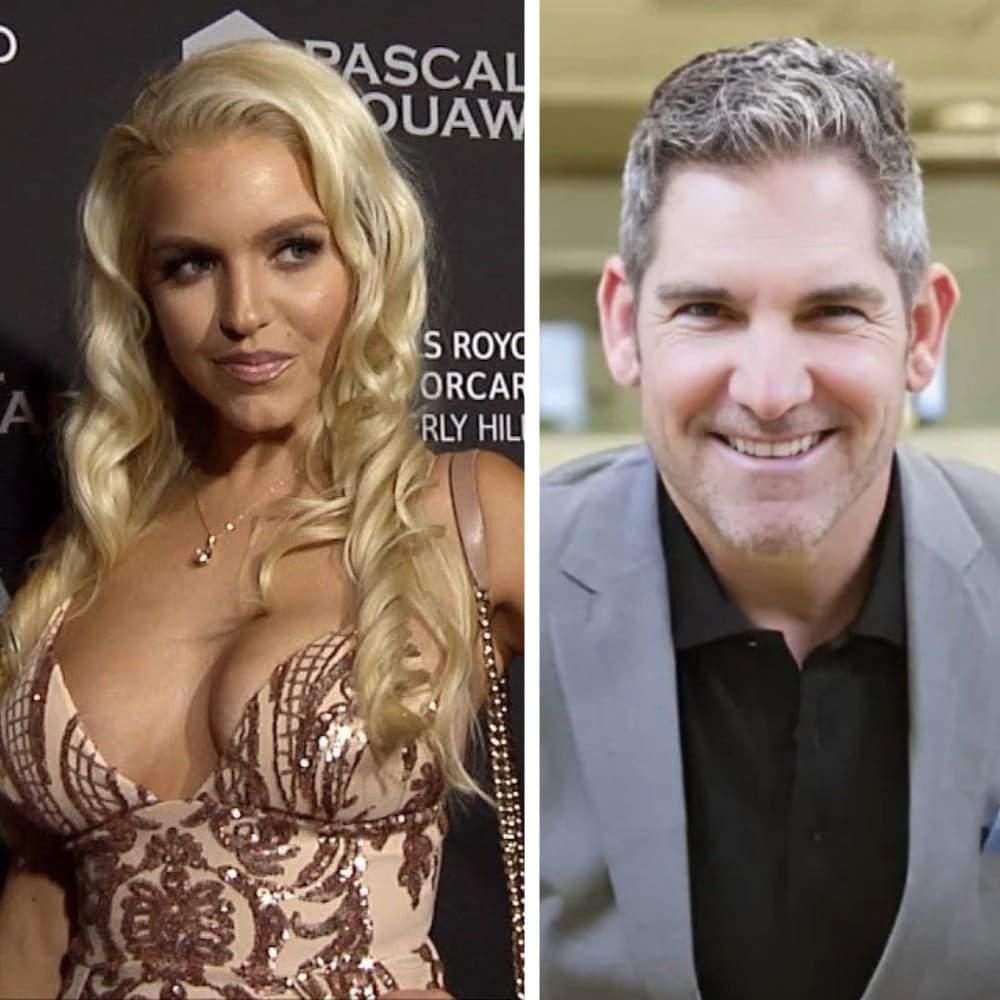
MIAMI — In a landmark case that highlights the legal complexities of social media influence and reputation management, Chealse Sophia Howell — a former Miss Universe Canada delegate and entrepreneur — has filed a major lawsuit against influencer and investment figure Grant Cardone and Cardone Capital, LLC, seeking $500 million in damages.
Filed in the Eleventh Judicial Circuit Court in Miami-Dade County (Case No. 25-024299-CA-01), Ms. Howell’s complaint centers on alleged defamatory statements posted and circulated across widely followed platforms including Instagram, X, LinkedIn, and Facebook. The suit claims these posts contained false and defamatory allegations, including accusations of criminal conduct — content Ms. Howell says has severely affected her personal and professional life.
The lawsuit alleges that the statements, while widely shared and amplified by online engagement, were entirely untrue and have caused immediate and lasting harm. According to Ms. Howell, the social media posts have led to the loss of potential business deals, strained professional relationships, and unwarranted public scrutiny. She asserts that the reputational damage extends beyond financial harm, touching on mental health, personal safety, and her standing as a public figure.
Experts in media law and digital defamation say the case could become a significant study in how reputation harm resulting from statements by prominent online figures is addressed under existing law. Social media platforms, while providing an unprecedented reach and voice, have also complicated traditional defamation frameworks. Courts now face the challenge of interpreting how online speech, audience reach, and virality intersect with the standards of proof required in defamation claims.
“This case underscores the real-world consequences of digital defamation,” said her Miami counsel. “When individuals with significant followings post false information, the impact can ripple far beyond what is immediately visible online. Accountability in the digital information ecosystem is critical, and this lawsuit is a step toward addressing that gap.”
In her filing, Ms. Howell seeks both compensatory and punitive damages, as well as injunctive relief and reimbursement for legal costs. Compensatory damages aim to address financial losses, while punitive damages are intended to hold the defendants accountable for the severity of the alleged misconduct. Injunctive relief could include a court order to remove or retract the defamatory posts, preventing further spread and potential harm.
Legal observers note that cases of this scale are relatively rare, particularly when involving high-profile social media influencers and investment figures. The $500 million figure in damages reflects the breadth of alleged harm, including tangible business losses, reputational injury, and emotional distress. If successful, the case may set a precedent for similar claims where social media activity intersects with professional reputations, potentially influencing how influencers, investors, and public figures engage online.
Beyond the legal dimensions, the lawsuit also raises broader questions about digital responsibility and the role of influencers in shaping public perception. As social media becomes increasingly integrated into daily life and business transactions, understanding the boundaries of acceptable online behavior and the consequences of false statements grows more urgent. Cases like Ms. Howell’s highlight the need for both legal clarity and personal accountability in an environment where information spreads instantaneously and widely.
Importantly, the lawsuit’s allegations have not yet been adjudicated; no finding of wrongdoing has been made by a court. Legal proceedings are ongoing, and all parties maintain the presumption of innocence until a final judgment is rendered. Regardless of the outcome, the case emphasizes the evolving challenges of managing reputation in the digital age, where online statements can have lasting real-world consequences.
Ms. Howell’s decision to pursue legal action also reflects a broader trend among public figures and entrepreneurs who are increasingly seeking judicial remedies when their professional and personal reputations are threatened online. While social media can amplify success and visibility, it can also become a platform for misinformation, requiring careful navigation and, in some instances, recourse through the courts.
As the case unfolds in Miami-Dade County, attention from both legal analysts and the public is expected to grow. Many will be watching to see how the courts interpret defamation claims in the context of social media influence and how such high-profile litigation might influence the responsibilities and risks of online communication for influencers, entrepreneurs, and public figures alike.
Also Check:
https://drive.google.com/file/d/1Uyk_ZHhL84JKT_v2_UdsSYS_XgD7TR-t/view?usp=drivesdk
https://drive.google.com/file/d/1crUZMoULb3sVNaSAXn_amXsl_B_bMFO0/view?usp=drivesdk
Important Note: The lawsuit allegations have not yet been adjudicated; no finding of wrongdoing has been made by a court.
