

You’ve likely experienced the “fish burp.”
Most people think it’s a normal side effect of taking Omega-3s. It isn’t. A fishy aftertaste is often a warning sign that your oil is oxidized, rancid, or poorly processed.
The supplement aisle is confusing. You see one bottle for $10 and another for $40. Both say “1000mg Fish Oil.” So, what are you actually paying for?
The difference lies in the journey from the ocean to the capsule. It’s a battle between mass-produced “Regular Fish Oil” and the pharmaceutical-grade purity of Deep Sea Fish Oil.
Here is why your choice of oil matters for your heart, brain, and long-term safety.
Best Fish Oil and Omega 3 for Heart & Brain Support: https://zenvitaco.com/shop/supplement/best-fish-oil-and-omega-3-for-heart-brain-support/
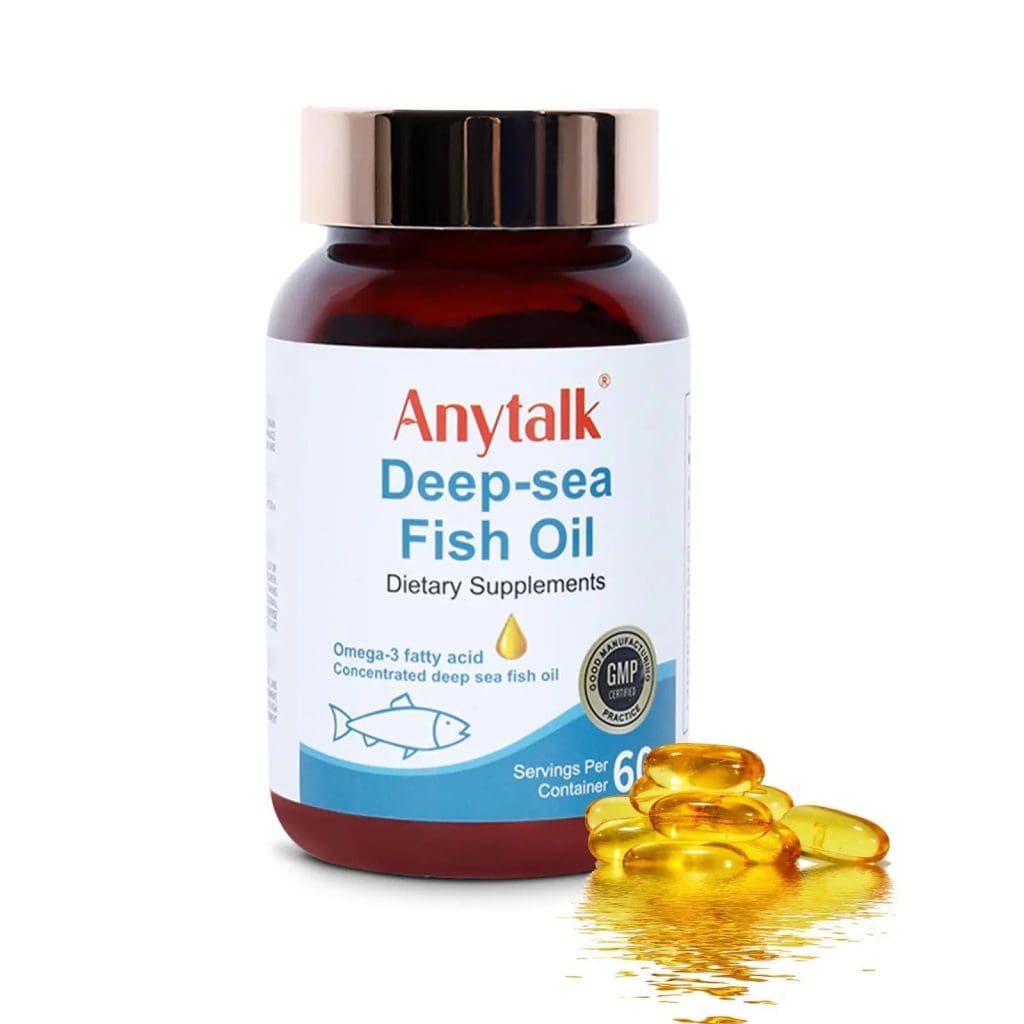
What Actually Defines “Deep Sea” Fish Oil?
Not all fish are created equal.
Regular fish oil is often a byproduct of the commercial fishing industry. It is typically derived from larger, predatory fish like cod, tuna, or shark. Because these fish live longer and eat smaller fish, they accumulate higher levels of environmental toxins through a process called biomagnification.
Deep Sea Fish Oil, like the kind we source at ZenVitaCo, comes from small, cold-water species—primarily anchovies and sardines.
Why does this matter?
- Short Lifespan: These fish don’t live long enough to accumulate dangerous levels of mercury or PCBs.
- High Potency: Cold-water fish develop denser layers of fat to survive frigid temperatures, resulting in naturally higher concentrations of EPA and DHA.
- Sustainable Sourcing: Harvesting lower on the food chain is better for the ocean’s ecosystem.
The Purity Protocol: Molecular Distillation vs. Standard Processing
The biggest risk with cheap fish oil is invisible: Toxicity.
Regular fish oils often undergo minimal processing. They are pressed, filtered, and encapsulated. If the source fish contained mercury, arsenic, or dioxins, those heavy metals end up in your body.
Deep Sea Fish Oil undergoes a rigorous process called Molecular Distillation.
This is a vacuum-based purification method. It flashes the oil at specific temperatures to separate the Omega-3 fatty acids from impurities. This strips away:
- Heavy Metals (Mercury, Lead)
- PCBs (Polychlorinated Biphenyls)
- Dioxins and Furans
At ZenVitaCo, we ensure every batch is third-party tested (often by standards like IFOS) to guarantee the oil is cleaner than the fish it came from.
Bioavailability Wars: rTG vs. Ethyl Ester Forms
This is the technical secret most manufacturers hide.
When fish oil is processed to concentrate the EPA and DHA, the natural molecular structure is altered. It becomes an Ethyl Ester (EE).
- Regular Fish Oil (Ethyl Ester): This is a semi-synthetic form. It is cheap to produce, but your body struggles to recognize it. You might absorb as little as 20-50% of the Omega-3s listed on the label.
- Deep Sea Fish Oil (rTG): Premium brands add an extra manufacturing step called “Re-esterification.” This converts the oil back into a Re-esterified Triglyceride (rTG).
The Result: The rTG form mirrors the natural structure of fish fat. Studies suggest it is up to 70% more absorbable than Ethyl Esters.
If you are buying cheap oil, you are essentially paying for expensive urine. With ZenVitaCo’s rTG formulation, you get maximum cellular uptake.
The Freshness Factor: Why “Fish Burps” Are a Warning Sign
Fish oil is perishable. Just like a piece of salmon left on the counter, fish oil can rot.
This process is called oxidation. When oil oxidizes, it releases free radicals—the exact things you are taking antioxidants to fight. Consuming rancid fish oil can actually increase inflammation in the body.
The industry measures this with the TOTOX Score (Total Oxidation).
- Low TOTOX (<26): Fresh, neutral smell, no burps.
- High TOTOX (>26): Rancid, strong fishy smell, causes gastric distress.
Regular fish oils often sit in massive storage tanks for months before encapsulation, driving up their TOTOX scores. Deep Sea oils are typically processed in oxygen-free environments and encapsulated immediately to lock in freshness.
Deep Sea vs. Regular: The Ultimate Comparison
Here is how a generic supermarket brand stacks up against the Deep Sea standard found at https://zenvitaco.com/.
| Feature | Regular Fish Oil (Generic) | Deep Sea Fish Oil (ZenVitaCo) |
| Source | Large fish (Cod, Tuna, Shark) | Small Cold-Water Fish (Anchovy, Sardine) |
| Molecular Form | Ethyl Ester (Synthetic structure) | rTG (Natural Triglyceride) |
| Bioavailability | Low (Poor absorption) | High (Up to 70% better absorption) |
| Purity Processing | Basic filtration | Molecular Distillation |
| Smell/Taste | Strong fishy odor | Neutral / No fish burps |
| Toxin Risk | Moderate risk of mercury/PCBs | Negligible (Third-Party Tested) |
Is the Premium Price Worth It?
You might look at the price tag of Deep Sea Fish Oil and hesitate. But let’s look at the math.
To get the same amount of absorbable EPA and DHA found in one softgel of our Best Fish Oil and Omega 3 for Heart & Brain Support, you might need to take 3 or 4 generic capsules.
- Generic: Lower concentration + poor absorption = Wasted money.
- Deep Sea: High concentration + rTG form = Clinical results.
When you factor in the long-term health costs of ingesting oxidized oil or heavy metals, the “cheaper” option becomes significantly more expensive. Investing in high-quality oil ensures you actually receive the cognitive and cardiovascular benefits you are looking for.

How to Read a Label: The ZenVitaCo Checklist
Don’t guess. Flip the bottle over and look for these green flags:
- “Small Cold-Water Fish” listed as the source.
- “Re-esterified Triglyceride” or “rTG” form stated clearly.
- “Molecularly Distilled” for purity.
- Specific EPA/DHA breakdown (not just “1000mg Fish Oil”).
Ready to experience the difference? Visit ZenVitaCo to shop our premium Deep Sea Fish Oil collection.
Frequently Asked Questions
What is the main difference between deep sea fish oil and regular fish oil?
Purity and concentration. Deep sea fish oil is sourced from small, cold-water fish (anchovies, sardines) that contain fewer toxins and higher Omega-3 levels. Regular fish oil often comes from larger fish, carries a higher risk of mercury, and is frequently sold in the less absorbable Ethyl Ester form.
Is deep sea fish oil better for absorption?
Yes, specifically if it is in the rTG form. Premium deep sea oils like ZenVitaCo are processed into Re-esterified Triglycerides (rTG), which mirror natural fats. This form is up to 70% more absorbable than the synthetic Ethyl Ester form found in standard drugstore brands.
Does regular fish oil contain mercury?
It is a higher risk. Regular fish oil derived from large predatory fish (tuna, shark) is more likely to contain accumulated heavy metals. Deep sea fish oil uses molecular distillation to remove virtually all mercury and PCBs, confirmed by third-party testing.
Why does my fish oil smell rancid or fishy?
Because it has oxidized. A strong fishy smell or “burp” indicates the oil has turned rancid due to exposure to air or heat. High-quality deep sea fish oil has a low TOTOX score (high freshness), resulting in a neutral smell and taste.
Is deep sea fish oil worth the extra cost?
Yes, for safety and efficacy. While the upfront cost is higher, you absorb more Omega-3s per dose and avoid the health risks associated with oxidized oil and heavy metals. You often need fewer capsules to achieve the same health benefits.
| written by – Khalid |
| Supplement Specialist at Zenvitaco |
