

Introduction
Sound bed therapy is becoming popular among people who want a natural way to relax their mind and body. In today’s busy world, stress, anxiety, and sleep problems are very common. Many people look for gentle methods that do not involve medicine or complex treatments. This calming practice uses soothing vibrations and tones to help the body rest deeply. When you lie on a specially designed bed that produces soft sound waves, your body begins to respond peacefully. Over time, this simple experience can help improve mood, focus, and overall well-being.
What Is Sound Bed Therapy?
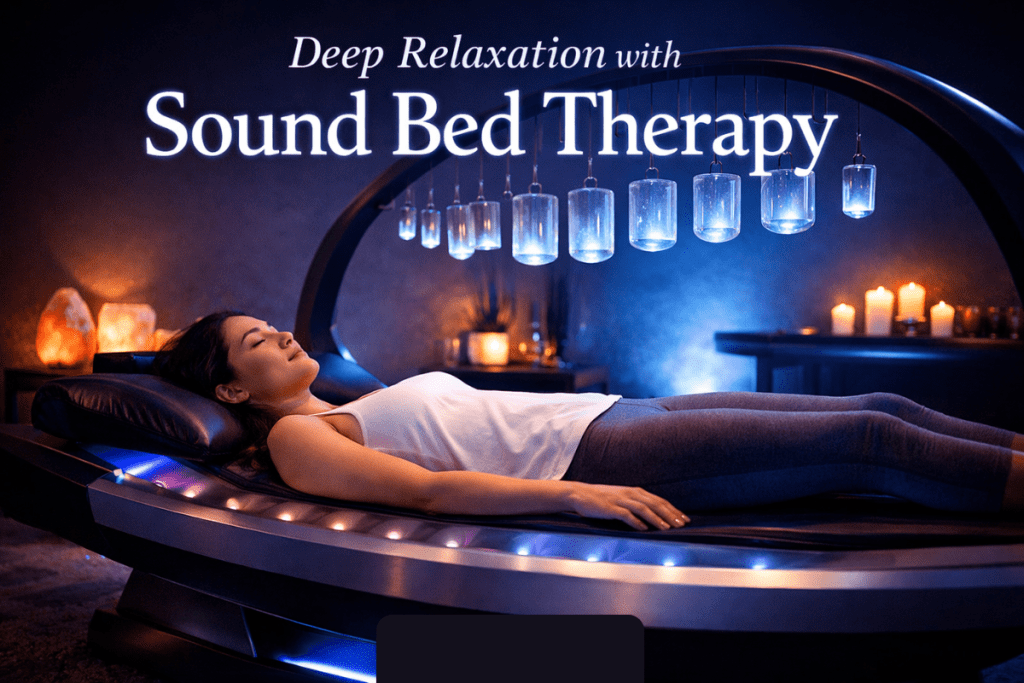
Sound bed therapy is a relaxation method where a person lies on a bed fitted with speakers or vibration panels that produce gentle sound frequencies. These sounds travel through the body as vibrations, helping muscles loosen and the nervous system calm down. Unlike loud music or noise, the tones used are slow, steady, and soft. The goal is not to entertain but to create a safe space where the body can relax deeply. Many people describe the feeling as a light massage from inside the body.
How Sound and Vibration Affect the Body
Our bodies naturally respond to sound. When we hear calm tones, our breathing slows down, and our heart rate becomes steady. Vibrations from a sound bed move through muscles and tissues, encouraging them to release tension. This can lower stress hormones and increase the feeling of safety and comfort. The brain may shift into slower patterns that are linked to rest and healing. This is similar to what happens during meditation or deep sleep, but here the sound helps guide the process gently.
The Experience During a Session
A typical session lasts between 30 and 60 minutes. The person lies fully clothed on the sound bed in a quiet room. Lights are often dim, and the environment feels warm and peaceful. As the session begins, soft tones start playing through the bed. You may feel light vibrations under your back and legs. Some people feel warmth spreading through their body. Others may drift into a half-sleep state. There is no effort required. You simply rest and allow the sound to do its work.
Benefits for Stress and Anxiety
One of the main reasons people try this therapy is to reduce stress. When the body stays stressed for too long, it can lead to headaches, tiredness, and mood changes. The gentle vibrations help shift the body out of “fight or flight” mode into a calmer state. Many users say they feel lighter and more peaceful after just one session. With regular use, it may help manage daily worries and emotional tension in a healthy way.
Support for Better Sleep
Sleep problems are common among adults and young people alike. Racing thoughts and body tension often make it hard to fall asleep. Sound bed sessions can prepare the body for deeper rest by slowing breathing and easing tight muscles. Some people use it in the evening to help reset their sleep rhythm. Over time, the body may learn to relax more easily at bedtime. This can lead to longer and more refreshing sleep.
Emotional Balance and Mental Clarity
Calming sound frequencies may also support emotional healing. When the body feels safe, the mind becomes clearer. Many people notice improved focus and better mood after sessions. Students and working professionals sometimes use this therapy to refresh their minds after long hours of study or work. It does not replace counseling or medical care, but it can be a helpful support tool for emotional balance.
Physical Comfort and Muscle Relaxation
Muscle tension builds up from sitting too long, heavy work, or stress. The vibrations from a sound bed can gently loosen tight areas. While it is not a medical massage, it may help reduce mild aches and stiffness. Some people with desk jobs report feeling less back tension after sessions. Athletes also explore it as part of recovery routines because relaxed muscles can heal better.
Who Can Benefit from This Therapy?
This approach is suitable for many age groups. Young adults dealing with exam stress, busy professionals managing deadlines, and older adults seeking calm can all benefit. It is especially helpful for those who find it hard to meditate on their own. However, people with certain medical conditions, such as severe heart issues or implanted medical devices, should consult a healthcare provider before trying vibration-based treatments.
The Science Behind the Practice
Research on sound and vibration suggests that certain frequencies may influence the nervous system. Studies in the field of vibroacoustic therapy show positive results in reducing stress and supporting relaxation. While more research is still needed, early findings are promising. Scientists believe that when the body feels steady vibrations, it sends signals to the brain that everything is safe, allowing the body to rest deeply.
Comparing Sound Bed Therapy with Other Relaxation Methods
There are many ways to relax, such as yoga, breathing exercises, and guided meditation. Sound-based relaxation stands out because it requires no active effort. You do not need to control your breathing or focus your thoughts. The bed itself delivers the calming effect. For people who struggle to sit still or quiet their minds, this can be an easier entry point into relaxation practices.
Safety and Things to Consider
This therapy is generally safe when used properly. Sessions should be guided by trained professionals who understand how to adjust sound levels. The volume should never be too loud. Pregnant women and individuals with serious medical concerns should seek advice before starting. Listening to your body is important. If anything feels uncomfortable, the session can be stopped at any time.
How to Prepare for a Session
It is best to wear comfortable clothing and avoid heavy meals before a session. Arrive a few minutes early to settle down. Keeping your phone on silent can help maintain a peaceful environment. After the session, drink water and give yourself time to return slowly to daily activities. Many people like to reflect quietly for a few minutes to enjoy the calm feeling.
Growing Popularity Around the World
Wellness centers in many cities now offer this experience as part of their relaxation programs. As more people look for natural ways to manage stress, interest continues to grow. Social media has also played a role in spreading awareness. Young people in particular are curious about new ways to improve mental well-being without relying only on medication.
Informational Table: Key Facts About Sound Bed Therapy
| Aspect | Details |
| Session Length | 30–60 minutes |
| Main Purpose | Deep relaxation and stress relief |
| Sensation | Gentle vibrations through the body |
| Environment | Quiet, dim, and calm setting |
| Clothing | Fully clothed |
| Common Benefits | Better sleep, reduced tension, improved mood |
| Suitable For | Most adults and young people |
| Caution | Consult a doctor for serious health conditions |
Conclusion
Sound bed therapy offers a gentle and natural path toward relaxation in a fast-moving world. Using soft tones and steady vibrations, it helps the body slow down and release stress. While it is not a cure for medical conditions, it can be a supportive tool for better sleep, emotional balance, and daily calm. As awareness grows, more people are exploring this peaceful method as part of a healthy lifestyle. If you are curious about new ways to care for your mind and body, this could be worth trying in a safe and guided setting.
FAQs:
What does sound bed therapy feel like?
It feels like gentle vibrations moving through your body while you rest.
Is sound bed therapy safe for everyone?
It is safe for most people, but those with serious medical issues should ask a doctor first.
How many sessions are needed to see benefits?
Some people feel relaxed after one session, while others prefer regular visits.
Can it help with sleep problems?
Yes, it may help calm the mind and prepare the body for better sleep.
Do I need to prepare specially?
Just wear comfortable clothes and arrive with an open and relaxed mindset.