
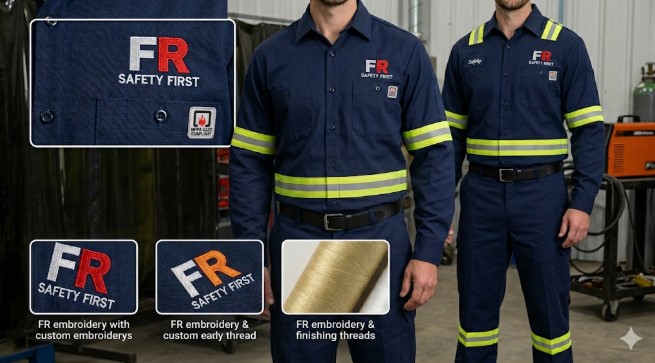
Choosing the right protective clothing is not only about safety. It also impacts comfort, durability, and brand identity. Many businesses now prefer custom flame-resistant clothing that looks professional and represents their brand clearly.
Custom embroidery services help achieve that balance. It allows companies to add logos and identity to protective clothing without losing functionality. However, not every garment is suitable for embroidery, and not every method is safe.
Understanding how to choose the right clothing and how embroidery works is important. It helps avoid mistakes and ensures long-term performance.
How to Choose the Right Flame-Resistant Clothing
Selecting flame-resistant clothing starts with understanding your work environment. Different industries have different levels of fire and heat exposure. Some require heavy-duty protection, while others need lightweight and flexible garments.
You should always check industry safety standards before making a choice. Certified clothing ensures that workers remain protected in risky conditions. Ignoring this step can lead to serious safety issues.
Fabric and comfort are equally important. Workers wear these garments for long hours, so the clothing should feel comfortable and allow easy movement. Poor fit can reduce productivity and create discomfort during work.
Key factors to consider when choosing flame-resistant clothing:
- Certified safety standards for your industry
- Durable fabric that handles daily wear
- Comfortable fit for long working hours
- Breathable material for better performance
- Consistent color and style for branding
Making the right choice improves both safety and work efficiency.
Choosing the Right Fabric for Embroidery
Not every flame-resistant fabric supports embroidery properly. Some materials are too thick, while others may not hold stitches well. This can affect both the look and durability of the design.
You should choose fabrics that are stable and smooth. These surfaces allow clean stitching and better logo visibility. A balanced fabric ensures that the garment remains strong even after embroidery.
It is also important to maintain the flame-resistant properties of the clothing. The embroidery process should not damage or weaken the protective features.
Things to check before selecting fabric for embroidery:
- Fabric strength and stability
- Surface smoothness for clean stitching
- Compatibility with embroidery techniques
- Ability to retain flame-resistant properties
- Long-term durability after washing
Choosing the right fabric ensures both safety and visual quality.
How Embroidery Works on Flame-Resistant Clothing
Embroidery on flame-resistant clothing requires a careful process. It is different from standard embroidery because safety must be maintained at every step.
The process starts with digitizing the logo. This converts the design into a machine-readable format. A clean and simple design gives better results.
Next, the garment is prepared using stabilizers. These support the fabric during stitching and prevent distortion. This step ensures accuracy and consistency.
Flame-resistant threads are often used to maintain safety. These threads help keep the garment protective even after embroidery. Regular threads may not offer the same level of performance.
Steps involved in embroidery on FR clothing:
- Logo digitization for machine accuracy
- Fabric preparation with stabilizers
- Use of flame-resistant threads
- Precision stitching with controlled machines
- Final inspection for quality and safety
Each step plays an important role in delivering a reliable result.
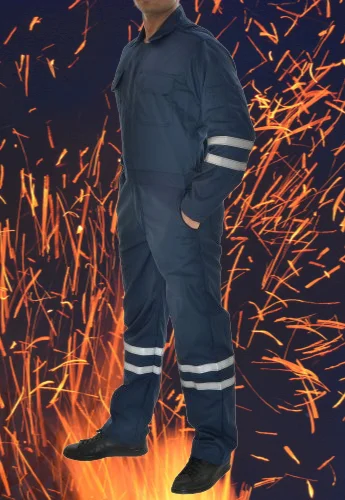
Feature image Alt tag: Custom Flame-Resistant Clothing
Best Placement for Embroidery on FR Clothing
Placement is important because it affects both design and safety. Some areas of the garment are more suitable for embroidery than others.
The left chest is the most common option. It provides a clean and professional look while maintaining comfort. Back placement is used for larger logos but should be balanced carefully.
Sleeves are also used for smaller branding elements. This helps maintain a neat and organized appearance.
Recommended embroidery placements include:
- Left chest for company logos
- Upper back for larger designs
- Sleeves for small branding details
- Areas away from high heat exposure
Proper placement ensures a professional look without affecting performance.
Common Mistakes to Avoid
Many businesses make mistakes when selecting flame-resistant clothing with embroidery. These mistakes can affect both safety and durability.
Focusing only on design instead of protection is one of the biggest issues. Safety should always be the first priority. Using incorrect threads is another common problem that reduces garment effectiveness.
Choosing the wrong fabric or adding heavy designs can also create issues. This can lead to discomfort and poor durability over time.
Mistakes you should avoid:
- Ignoring safety certifications
- Using standard embroidery threads
- Selecting unsuitable fabrics
- Adding oversized or heavy designs
- Working with inexperienced suppliers
Avoiding these mistakes ensures better results and long-term value.
Why Custom Embroidery is Worth It
Custom embroidery adds a strong professional touch to workwear. It helps businesses create a consistent and recognizable brand image.
Employees wearing branded clothing appear more organized and trustworthy. This builds confidence among clients and customers.
Embroidery is also durable and long-lasting. It does not fade easily and can handle regular washing. This makes it a reliable choice for workwear.
Benefits of custom embroidery:
- Professional and clean appearance
- Long-lasting design quality
- Better team identification
- Strong brand visibility
- Suitable for daily industrial use
This makes embroidery a practical and valuable option for businesses.
Why Choose The Apparel Factory
Choosing the right supplier is as important as choosing the right product. The Apparel Factory offers reliable solutions for custom flame-resistant clothing with embroidery services.
We focus on safety, quality, and consistency in every order. Our products are designed to meet real workplace requirements. This ensures your team stays protected while maintaining a professional look.
Our embroidery process is handled with precision. We use the right techniques and materials to maintain both safety and design quality. This helps deliver results that last longer and perform better.
What makes The Apparel Factory a trusted choice:
- Industry-compliant flame-resistant clothing
- High-quality and precise embroidery services
- Wide range of customization options
- Reliable production and consistent results
- Focus on both safety and branding
We help businesses create workwear that performs well and represents their brand effectively.
Verdict
Choosing custom flame-resistant clothing with embroidery requires careful attention. Safety should always come first, followed by design and branding.
The right fabric, proper embroidery process, and correct placement all play an important role. These factors ensure that the clothing remains protective and visually appealing.
By making informed decisions and working with the right supplier, businesses can achieve both safety and professional branding. This leads to better performance and long-term value.
FAQ
Does embroidery affect flame-resistant clothing?
No, if proper techniques and flame-resistant threads are used, safety remains intact.
What is the best placement for embroidery on FR clothing?
The left chest is the most common and safest placement for logos.
Can all FR fabrics support embroidery?
No, only stable and strong fabrics are suitable for clean and durable embroidery.
What thread is used for FR embroidery?
Flame-resistant thread is recommended to maintain safety and durability.
Is embroidery better than printing for workwear?
Yes, embroidery is more durable and gives a professional look.
How long does embroidered FR clothing last?
With proper care, it can last for years without losing quality or safety.