
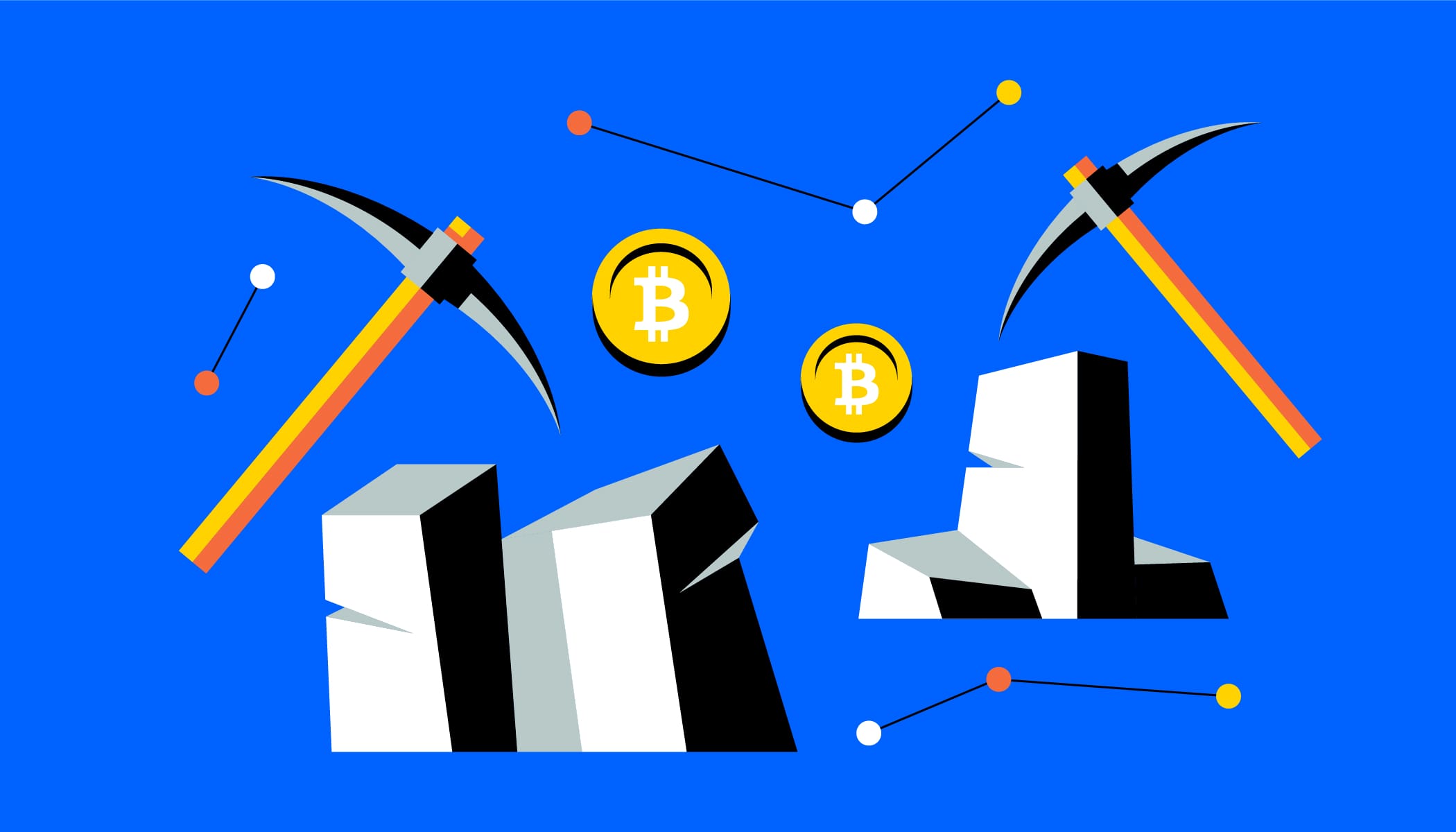
Cryptocurrency mining, commonly called crypto mining, is a key part of how digital currencies like Bitcoin, Ethereum, and others operate. Mining is the process that verifies transactions, secures networks, and releases new coins into circulation. Without miners, cryptocurrencies would not function as decentralized systems.
Crypto mining is both technical and competitive. It requires specialized equipment, electricity, and patience. However, understanding how it works helps anyone interested in digital currencies make better decisions.
What Is Crypto Mining?
Crypto mining is the process of solving complex mathematical problems to validate transactions on a blockchain. Each time a miner solves a problem, a new block is added to the chain, and the miner earns rewards in the form of cryptocurrency.
This process is often called proof-of-work, which ensures that all transactions are legitimate and prevents fraud, like double-spending. Mining is essential for maintaining trust in the decentralized network.
Understanding the technicalities of the blockchain starts with grasping how new coins enter circulation. Crypto mining is the backbone of this ecosystem, ensuring security and decentralization through complex computational work. However, the market moves fast, and staying updated with the latest trends and hash rate shifts is crucial for any investor. To keep your strategies sharp and stay ahead of market volatility, it is essential to follow crypto news daily, where you can find real-time updates and expert analysis on the evolving mining landscape.
Why Crypto Mining Is Important
Mining does more than generate new coins. It plays three main roles:
- Transaction Validation: Miners check and confirm all transactions, making sure the same coin isn’t spent twice.
- Network Security: By solving complex problems, miners make the blockchain difficult to tamper with, protecting the network from attacks.
- Controlled Supply: Cryptocurrencies like Bitcoin have a fixed total supply. Mining gradually releases new coins, ensuring the system remains balanced.
Without mining, digital currencies would lack security, reliability, and controlled issuance.
Types of Mining
There are several types of crypto mining:
- CPU Mining: Uses a computer’s central processing unit. It is mostly used for smaller cryptocurrencies and is not very profitable for large networks.
- GPU Mining: Uses graphics cards to solve problems faster than CPUs. It is popular for coins like Ethereum.
- ASIC Mining: Application-Specific Integrated Circuits are hardware made specifically for mining. They are highly efficient and used for major cryptocurrencies like Bitcoin.
- Cloud Mining: Lets users rent mining power from a company. This eliminates the need to buy equipment, but can have risks if the service is unreliable.
Each type has its advantages, costs, and challenges. Choosing the right method depends on the cryptocurrency, budget, and goals.
Mining Equipment
Effective crypto mining requires specialized hardware. The most common are ASIC miners and high-end GPU rigs. ASIC miners are faster and more efficient, but can only mine specific cryptocurrencies. GPUs are more versatile but may consume more electricity.
Mining also requires software to connect to the blockchain and monitor performance. Popular programs help miners track hash rates, efficiency, and earnings in real-time.
How Miners Earn Rewards
Miners earn cryptocurrency in two main ways:
- Block Rewards: When a miner successfully solves a block, they receive a reward in cryptocurrency. For example, Bitcoin miners earn a certain number of BTC per block.
- Transaction Fees: Users pay small fees to process transactions faster. Miners collect these fees in addition to block rewards.
The competition to earn these rewards is high. More miners mean more computational power is required, increasing the difficulty over time.
Energy Consumption and Environmental Impact
Crypto mining uses a lot of electricity. Mining farms often run hundreds of machines 24/7. This high energy demand has raised concerns about the environmental impact.
Some miners now use renewable energy or set up in regions with cheaper, greener electricity. Sustainable mining practices are becoming increasingly important for both profitability and environmental responsibility.
Risks and Challenges
Mining is not risk-free. Some challenges include:
- High Electricity Costs: Energy can make up a large portion of expenses.
- Hardware Costs: Mining equipment can be expensive and depreciates quickly.
- Network Difficulty: As more miners join, problems become harder to solve, reducing individual rewards.
- Regulatory Risks: Some countries restrict or ban mining, making operations risky.
Despite these challenges, successful miners can earn significant rewards if they manage costs and stay informed about network changes.
Profitability of Crypto Mining
Profitability depends on several factors:
- Price of the cryptocurrency
- Mining hardware efficiency
- Electricity costs
- Network difficulty and competition
Careful planning is essential. Many miners calculate return on investment (ROI) before buying equipment to ensure mining remains financially viable.
Future of Crypto Mining
Crypto mining is evolving. New technologies, energy-efficient hardware, and alternative consensus mechanisms like proof-of-stake (PoS) are changing the landscape. While PoS reduces energy use by eliminating the need for proof-of-work, mining remains critical for major cryptocurrencies like Bitcoin.
Miners who adapt to new technologies and regulations are likely to remain successful in the long term.
Conclusion
Crypto mining is a cornerstone of the cryptocurrency ecosystem. It validates transactions, secures the network, and releases new coins into circulation. While mining requires investment, effort, and electricity, it remains a rewarding and essential activity for the blockchain.
Understanding the process, types of mining, and associated risks helps anyone interested in cryptocurrencies make informed decisions. Whether using GPUs, ASICs, or cloud services, mining continues to play a central role in the digital economy.
FAQs
1. What is crypto mining?
Crypto mining is the process of validating transactions and adding them to the blockchain while earning cryptocurrency rewards.
2. Can I mine crypto on my personal computer?
Yes, but it is often inefficient. Specialized equipment like ASICs or GPUs is usually needed to compete effectively.
3. Why does mining use so much electricity?
Mining solves complex mathematical problems that require powerful computers running 24/7, which consume large amounts of energy.
4. Is crypto mining profitable?
It can be profitable with the right hardware, low electricity costs, and efficient management of mining operations.
5. Are there environmental concerns with mining?
Yes. Mining consumes significant electricity and can impact the environment, but using renewable energy can reduce this footprint.