

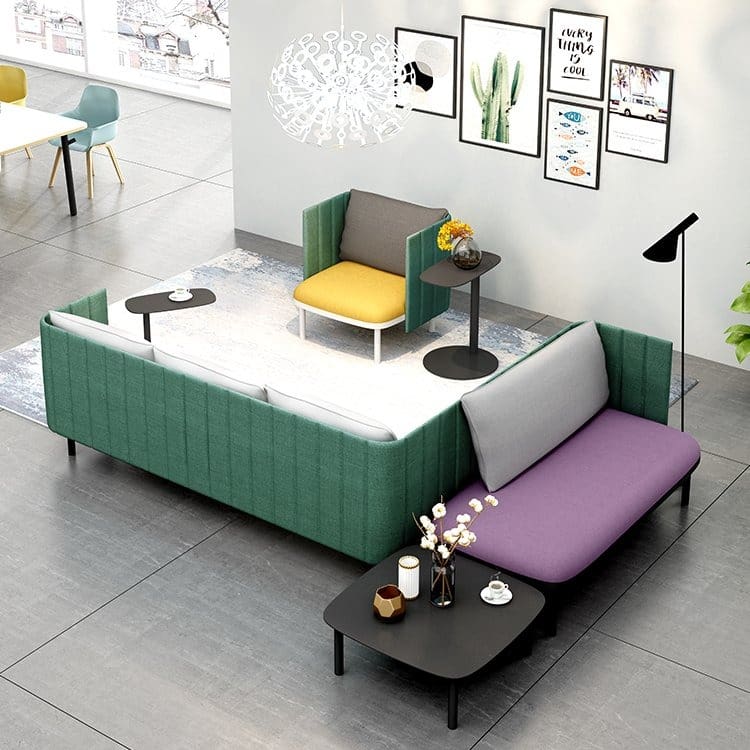
The moment a client, potential hire, or business partner steps through your glass doors, a silent conversation begins. Before a receptionist speaks a word or a handshake is exchanged, your environment is already pitching your brand. Is this company innovative or traditional? Is it chaotic or organized? Cold or welcoming? The lobby is the physical “handshake” of your building, and its design sets the emotional temperature for every interaction that follows. In this high-stakes arena of first impressions, the furniture you choose is not merely decoration; it is a strategic asset. To get this balance of aesthetics and function right, industry professionals often turn to global leaders like Meet&Co, a brand renowned for integrating design, production, and sales into a seamless solution for modern workspaces. With a presence in over 100 cities and a track record of serving more than 100,000 enterprise customers, they exemplify the scale and quality required to furnish world-class entryways.
The Psychology of the Entryway
Why does the lobby matter so much? Environmental psychology tells us that our physical surroundings significantly impact our cognitive state and stress levels. A waiting area is, by definition, a place of anticipation. For a nervous interviewee or a client about to negotiate a contract, a stiff, uncomfortable chair in a sterile room amplifies anxiety.
Conversely, a well-designed lobby acts as a decompression zone. Soft lighting, acoustic dampening, and, most importantly, comfortable seating can lower heart rates and induce a sense of calm. When you prioritize comfort in your entryway, you are signaling respect for your visitor’s time and well-being. You are telling them that they are valued, setting a positive tone for the meeting ahead.
Defining Your Brand Through Design
Your lobby is the three-dimensional trailer for the movie of your company. It must be consistent with the story you are telling elsewhere. A law firm might opt for the gravitas of dark leathers, button-tufted upholstery, and rich wood veneers to convey stability and tradition. A tech startup, on the other hand, might reject this in favor of modular bean bags, bright colors, and industrial metal accents to project agility and disruption.
The key is authenticity. If your lobby screams “Silicon Valley creative” but your office culture is “Wall Street strict,” you create a dissonance that visitors will intuitively feel. The furniture must anchor your brand identity, serving as a visual mission statement that aligns with your corporate values.
Versatility is Key: The Multifunctional Lobby
Gone are the days when lobbies were passive holding pens. The modern lobby is an active, multi-use space. It serves as a touchdown point for remote employees, a casual meeting space for internal teams, and a social hub for coffee breaks. Because of this diverse utility, the office lobby furniture you select must be incredibly adaptable. When sourcing from a “best in the world” caliber manufacturer—one with over a decade of experience and a massive global footprint covering 100+ cities—you gain access to modular systems designed specifically for this versatility. These top-tier suppliers understand that a static sofa is no longer enough. They engineer solutions that can be reconfigured on the fly, supporting the dynamic needs of a global enterprise client base that demands both high capacity and high flexibility.
Comfort Meets Commercial Durability
There is a critical distinction between “residential” and “commercial” furniture, and the lobby is where this difference is tested most severely. A velvet armchair from a home decor store might look stunning on day one, but after 500 visitors have sat in it, it will likely look threadbare and sad.
Commercial lobby furniture is built to withstand the rigors of high traffic. You must look for “high rub count” fabrics (often exceeding 50,000 double rubs) which resist abrasion. Frames should be kiln-dried hardwood or reinforced steel to prevent wobbling over time. Furthermore, stain resistance is non-negotiable. In a space where coffee is carried and umbrellas drip, the ability to easily wipe clean a surface is the difference between a pristine lobby and a shabby one.
The Rise of the ‘Resimercial’ Aesthetic
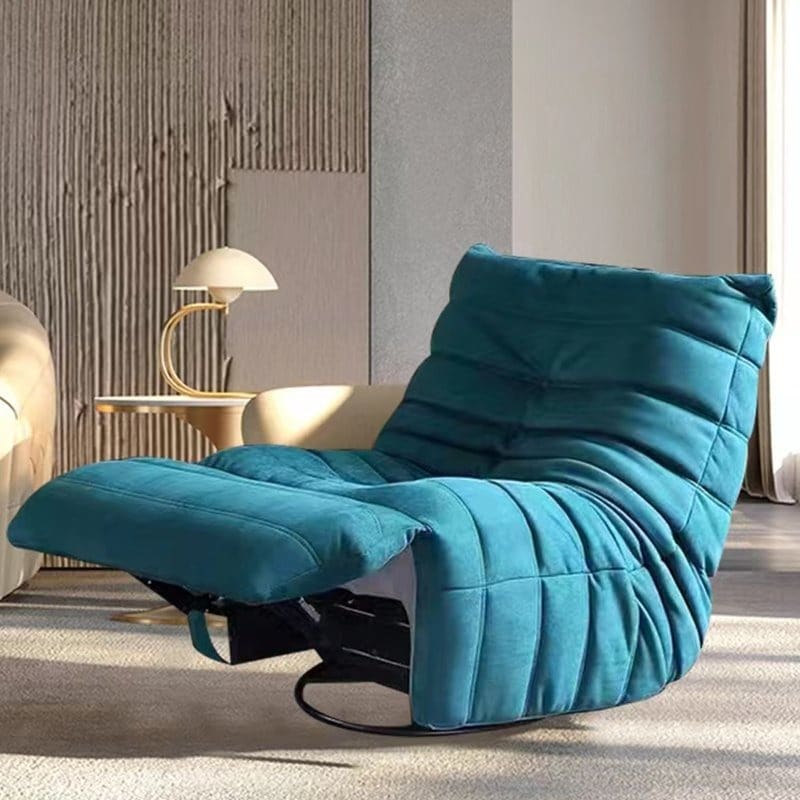
One of the most dominant trends in current workplace design is “resimercial”—a blend of residential comfort with commercial endurance. As the lines between work and home blur, employees and visitors alike crave spaces that feel less like institutions and more like living rooms.
This is where the modern office sofa shines as the hero of the layout. Instead of rigid benches, designers are specifying deep, plush seating options that invite relaxation. These pieces often feature softer textiles like wool blends or felt, warmer color palettes, and organic, curved shapes that break up the rectilinear grid of the typical office building. This shift softens the corporate edge, making the workplace feel more human-centric and approachable.
Integrating Technology Seamlessly
In a digital-first world, a dead battery is a minor crisis. A truly welcoming lobby anticipates the technological needs of its users. It is no longer sufficient to have a single power outlet hidden behind a potted plant.
Modern lobby seating often comes with integrated power and data ports. USB-C charging docks embedded into armrests, wireless charging pads built into side tables, and easily accessible AC outlets allow visitors to work or recharge while they wait. This transforms “dead time” into productive time. However, the execution must be sleek. The best designs conceal the wiring within the furniture frame, maintaining a clean, uncluttered aesthetic while delivering full functionality.
Zoning for Interaction and Privacy
A large lobby can feel cavernous and exposing if not properly zoned. Furniture is the most effective tool for breaking down a vast open space into human-scaled “neighborhoods.”
You can use high-backed armchairs or acoustic “pods” to create semi-private nooks for confidential phone calls or focused reading. Conversely, arranging low-slung lounge chairs in a circle or “campfire” formation encourages social interaction and casual brainstorming. By varying the height, orientation, and density of your seating, you guide the flow of foot traffic and intuitive behavior, creating distinct zones for high-energy interaction and quiet retreat within the same footprint.
Sustainability in the Spotlight
Your choice of furniture also communicates your stance on environmental responsibility. Clients are increasingly scrutinizing the supply chains of the companies they do business with. A lobby filled with cheap, disposable plastic furniture sends a message of wastefulness.
Opting for pieces made from sustainable materials—such as FSC-certified wood, recycled metals, or fabrics made from upcycled plastics—demonstrates a commitment to the planet. Many high-end manufacturers now provide transparency regarding the carbon footprint of their products. Choosing furniture with Greenguard certification or similar eco-credentials not only contributes to a healthier planet but also improves the indoor air quality of your building by reducing volatile organic compound (VOC) emissions.
Maintaining Your Investment
The “warm welcome” evaporates quickly if the furniture looks dirty or neglected. Part of the selection process must involve a realistic maintenance plan. If you don’t have a dedicated cleaning crew that can handle delicate fabrics, opting for a white linen sofa is a strategic error, regardless of how beautiful it looks.
Leather and high-quality vinyls are easier to maintain in high-traffic zones, as they can be wiped down quickly. If you prefer fabric, look for “crypton” or similar performance technologies that repel liquid and resist bacterial growth. Furthermore, consider modular pieces where individual components—like a stained seat cushion—can be replaced without discarding the entire unit. This repairability extends the lifecycle of the lobby, ensuring it remains fresh for years.
Conclusion: The ROI of a Welcoming Space
Ultimately, investing in stylish, high-quality lobby furniture is not an expense; it is a capital investment in your brand equity. The Return on Investment (ROI) comes in the form of elevated brand perception, improved visitor experience, and increased employee pride.
A lobby that feels cold and neglected suggests a company that is struggling or indifferent. A lobby that is warm, vibrant, and thoughtfully designed suggests a company that is thriving, attentive, and ready to do business. By curating a space that combines the best of design, comfort, and utility, you ensure that your company wins the interaction before the first word is even spoken.
