
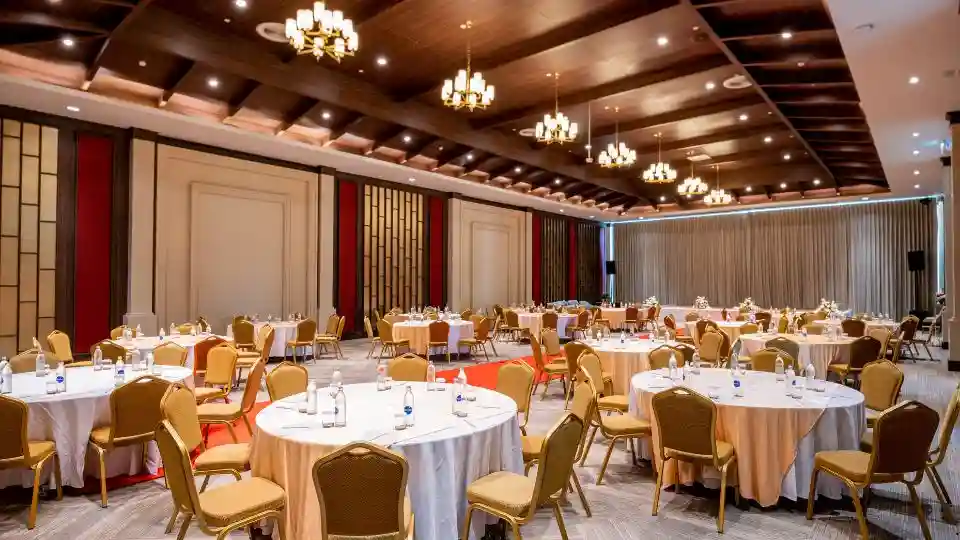
Corporate events have evolved far beyond the days of rolling a projector into a hotel ballroom and hoping for the best. Today’s attendees—whether employees at an annual meeting, clients at a product launch, or donors at a fundraising gala—expect polished audiovisual experiences that match the professionalism of the organizations hosting them. Meeting these expectations requires thoughtful planning, the right technology, and execution that makes complex systems appear effortless.
Why AV Quality Matters More Than Ever
The stakes for corporate events have increased significantly. In an era where remote work has become commonplace, in-person gatherings carry greater weight. When companies bring people together physically, the experience needs to justify the investment of time and travel. Poor audio that makes speakers difficult to understand, video screens that wash out under room lighting, or technical glitches during crucial presentations can undermine the entire purpose of gathering.
Beyond avoiding failures, exceptional AV production creates opportunities. A product launch with stunning LED visuals generates social media content that extends reach far beyond the room. An annual meeting with broadcast-quality production values signals organizational competence to employees and stakeholders. A gala with immersive lighting and sound transforms a standard venue into a memorable environment that strengthens donor relationships.
Understanding Your Event’s Technical Requirements
Every corporate event presents unique audiovisual challenges based on venue characteristics, program format, and audience expectations. Identifying these requirements early in the planning process prevents expensive last-minute adjustments.
Venue Assessment: The physical space determines much of what’s possible and practical. Ceiling heights affect rigging options for screens and lighting. Room dimensions influence speaker placement and sound coverage. Ambient light levels—particularly from windows that can’t be fully darkened—impact display technology choices. Power availability and distribution throughout the space constrains equipment placement. Experienced production teams evaluate these factors during site visits before recommending specific solutions.
Program Format Analysis: Different event formats demand different technical approaches. A single-speaker keynote requires different staging than a panel discussion with multiple participants. Live entertainment integration adds complexity beyond standard presentation support. Hybrid events with remote participants introduce streaming, camera, and audio requirements that purely in-person gatherings don’t face. Understanding exactly what will happen during the event allows technical planning that supports rather than constrains programming.
Audience Experience Goals: Consider how attendees will interact with AV elements throughout the event. Will they need to see detailed slides or financial data, requiring high-resolution displays positioned for optimal viewing angles? Will they participate in polling or Q&A through their mobile devices? Will multiple breakout sessions run simultaneously, each requiring independent AV support? These considerations shape equipment specifications and crew requirements.
LED Video Walls vs. Traditional Projection
One of the most significant decisions for corporate events involves choosing between LED video walls and projection systems. Each technology offers distinct advantages depending on the application.
LED video walls deliver superior brightness and contrast, making them ideal for venues with ambient light or outdoor events. They offer flexibility in sizing and configuration, allowing custom aspect ratios and even curved installations. LED panels can create immersive environments when extended across multiple surfaces. The technology has become increasingly accessible as costs have decreased while resolution has improved.
Projection remains the practical choice for many applications. Large projection screens cost less to deploy than equivalent LED surfaces, making them sensible for budget-conscious events. Rear projection eliminates concerns about shadows from presenters crossing in front of the display. Projection works well in darkened environments like galas and awards ceremonies where ambient light is controlled.
The decision often comes down to venue conditions, desired visual impact, and budget constraints. Many events successfully combine both technologies, using LED for high-impact moments while projection handles supporting displays.
Audio: The Element Most Often Underestimated
Visual elements tend to dominate event planning conversations, but audio quality often determines whether attendees can actually engage with content. Sophisticated video production means nothing if people struggle to hear clearly.
Speech intelligibility depends on proper speaker selection and placement for each space. Line array systems provide even coverage across large audiences. Delay speakers extend clear audio to distant seating without echo or timing issues. Subwoofers may be necessary for music and entertainment but are rarely appropriate for speech-only programs.
Microphone selection requires matching technology to application. Lavalier microphones free presenters to move naturally but require proper placement and backup units for reliability. Handheld microphones suit Q&A segments and moderator roles. Boundary microphones capture panel discussions without cluttering the stage with individual mics.
For hybrid events incorporating remote participants, audio capture becomes even more critical. Room microphones must provide clear pickup for streaming while avoiding feedback from in-room speakers. This integration requires careful system design and experienced operators.
Lighting: Setting Atmosphere and Enabling Video
Event lighting serves dual purposes: creating atmosphere and providing technical support for cameras and displays. Balancing these functions requires expertise that goes beyond simply making the room bright enough.
Atmospheric lighting transforms spaces through color, movement, and intensity control. Uplighting walls with brand colors reinforces visual identity. Intelligent fixtures create dynamic looks that evolve throughout an event. Proper stage lighting ensures presenters appear professional and polished.
Technical lighting considerations become paramount when events involve video production. Camera-ready lighting requires specific color temperatures and intensity levels. Shadow management ensures presenters don’t appear with dark circles under their eyes or harsh facial shadows. Screen lighting must be balanced to prevent displays from washing out while maintaining acceptable camera exposure on nearby speakers.
Finding the Right Production Partner
Selecting an audiovisual partner for corporate events extends beyond comparing equipment lists. The relationship between event planners and production teams significantly impacts outcomes.
Relevant Experience: Seek partners with demonstrated experience in events similar to yours. A company expert in concert touring may lack nuance for executive presentations. A team focused on permanent installations may not have the event production mindset required for one-time gatherings. Ask for references from comparable events and follow up on them.
Consultation Approach: Effective corporate AV solutions begin with understanding objectives rather than pushing specific equipment. Partners should ask about goals, challenges, and concerns before proposing technical approaches. They should offer options at different investment levels with honest assessments of tradeoffs.
Project Management: Corporate events involve multiple stakeholders, tight timelines, and zero tolerance for failure. Production partners must manage complexity while maintaining clear communication. They should provide detailed production schedules, conduct thorough technical rehearsals, and staff events with enough crew to handle unexpected situations.
Contingency Planning: Equipment fails. Files become corrupted. Presenters run long. Weather affects outdoor elements. Ask potential partners how they prepare for problems. Backup equipment, redundant signal paths, and experienced operators who can troubleshoot quickly all contribute to resilience.
Planning Timeline Considerations
Corporate event AV production requires longer lead times than many planners initially expect. Complex productions benefit from beginning technical planning three to six months before event dates.
Early planning allows time for venue site visits, accurate budgeting, equipment reservation, and creative development. It provides opportunity to coordinate with other vendors—decorators, caterers, entertainment—whose work intersects with production requirements.
Technical rehearsals should be scheduled with realistic time allocations. Running through content, testing all equipment, adjusting lighting cues, and training presenters on confidence monitors and clickers cannot be rushed. Events that skip adequate rehearsal time consistently show rougher execution.
Budgeting Realistically
AV production represents a significant investment for most corporate events. Understanding what drives costs helps planners budget appropriately and make informed tradeoffs.
Equipment costs scale with quality and quantity. Higher resolution displays, more sophisticated lighting, and additional audio channels all increase investment. Labor costs depend on crew size and duration—complex shows require more technicians, and events spanning multiple days multiply personnel expenses. Venue factors like power availability, rigging points, and load-in access can introduce additional costs for equipment rental or labor.
Rather than treating AV as a line item to minimize, consider it relative to overall event investment and objectives. If the purpose of gathering matters enough to warrant the full event budget, the technical production that enables program success deserves proportionate resources.
Measuring Success
After events conclude, evaluate AV production performance against objectives. Gather feedback from attendees about their experience—could they see clearly, hear well, and engage with content? Review any recordings for technical quality. Debrief with the production team about what worked well and what could improve for future events.
This reflection builds institutional knowledge that makes subsequent events more successful. It also strengthens relationships with production partners who appreciate clients invested in continuous improvement.
Corporate events represent opportunities to inform, inspire, and connect. Thoughtful audiovisual production transforms these opportunities into experiences that achieve organizational objectives while demonstrating professional excellence.
