
Understanding Heat Exchangers and Copper Tubes
Heat exchangers play a crucial role in various industries, including solar thermal heating and cooling, industrial processing, and power generation. These systems rely on efficient heat transfer to optimize performance and energy efficiency.
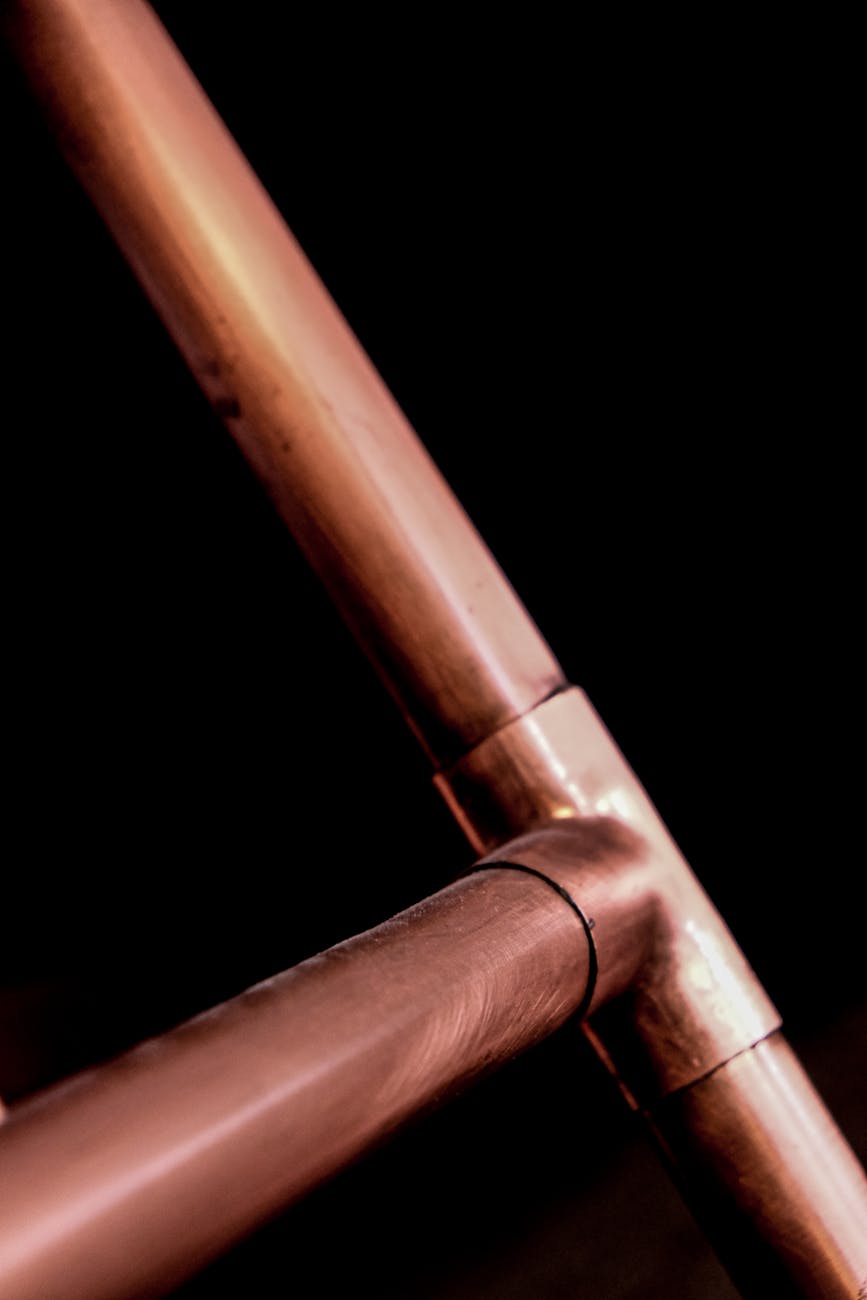
Copper tubes have long been a preferred choice for heat exchangers due to their outstanding thermal conductivity and exceptional corrosion resistance. Their ability to facilitate rapid heat transfer makes them ideal for applications such as HVAC systems, refrigeration, and air-conditioning.
Benefits of Copper Tubes in Heat Exchangers
- High Thermal Conductivity – Copper efficiently transfers heat, maximizing energy efficiency and system performance.
- Corrosion Resistance – Copper’s durability extends the lifespan of heat exchangers, reducing maintenance and replacement costs.
- Water and Atmospheric Resistance – Copper tubes perform well in harsh environments, including solar thermal water systems.
- Antimicrobial Properties – Copper’s natural antimicrobial properties help prevent biofouling, ensuring long-term efficiency.
Copper Tube Characteristics
Copper alloy tubes are available in multiple grades and configurations to meet diverse industry needs:
- Material Grades – Common grades include C10100, C10200, C12200, and C12000, each suited for specific applications.
- Temper Options – Soft, half-hard, quarter-hard, and hard tempers allow for flexibility in installation and durability.
- Precision Engineering – Grooved and shaped copper tubes facilitate secure connections and reduce leakage risks.
- Versatile Sizing – Copper tubes come in various diameters and shapes, ensuring adaptability across different systems.
Optimizing Heat Transfer in Shell-and-Tube Heat Exchangers
- Enhanced Surface Tubes – Optimized designs improve energy efficiency while reducing material usage and space requirements.
- Application-Specific Designs – Ideal for refrigeration, air-conditioning, and HVAC systems where compact and efficient heat transfer is crucial.
- Material Efficiency – Compact copper heat exchangers minimize material consumption while maximizing performance.
- Customized Inner and Outer Surfaces – Tailored designs improve compatibility with specific heat exchanger applications.
Selecting the Right Copper Tube for Your Heat Exchanger
Choosing the right copper tube involves evaluating key factors:
- Thermal Conductivity – Ensures effective heat exchange for optimal system performance.
- Corrosion Resistance – Essential for long-term durability in harsh environments.
- Mechanical Strength – Determines resilience under operational stress.
- Application Suitability – Select tubes designed for HVAC, refrigeration, and industrial processing needs.
- Size and Shape Considerations – Properly sized tubes prevent leaks and enhance installation efficiency.
Installation and Maintenance of Copper Tubes
To maintain efficiency and longevity, proper installation and maintenance practices are essential:
- Secure Connections – Soldering provides a reliable seal, minimizing the risk of leaks.
- Routine Inspections – Regularly check for signs of corrosion or damage to prevent performance degradation.
- Proactive Maintenance – Periodic cleaning and repairs ensure long-term reliability.
- Correct Installation Techniques – Following best practices minimizes operational issues and maximizes efficiency.
Applications of Copper Tubes in Heat Exchangers
Copper tubes are widely used in various heat exchanger applications, including:
- Solar Thermal Heating and Cooling – Effective for sustainable energy solutions.
- Industrial Facilities and Power Plants – Essential for high-performance industrial processes.
- HVAC and Refrigeration Systems – Contribute to energy-efficient climate control solutions.
- Hot Water Systems – Used in both residential and commercial heating applications.
- Chemical and Food Processing – Support safe and efficient thermal management.
Conclusion
Copper tubes remain an optimal choice for heat exchangers due to their superior thermal properties, corrosion resistance, and versatility. Their reliability and efficiency make them indispensable in industries ranging from HVAC and power generation to industrial processing and renewable energy. By selecting the right copper tube and ensuring proper installation and maintenance, businesses can achieve enhanced performance, longevity, and energy savings in their heat exchanger systems.