
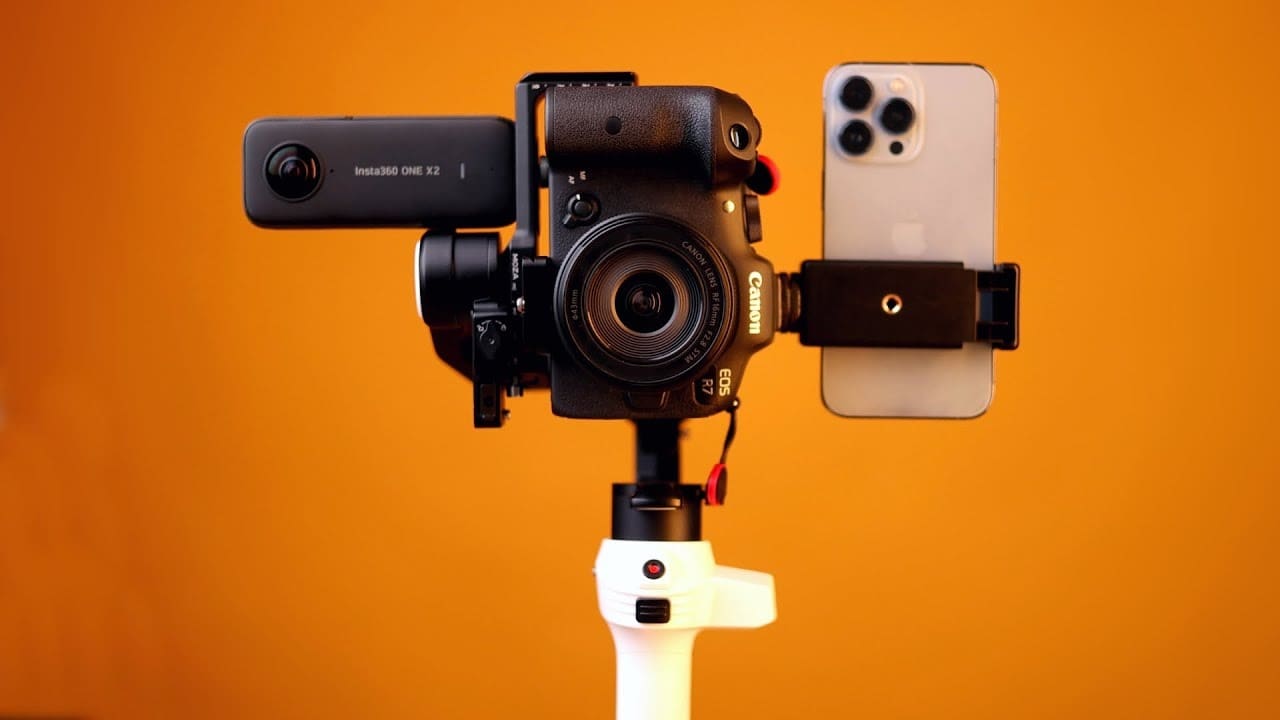
As someone who has spent over a decade in videography and content creation, I’ve learned that capturing smooth, cinematic footage isn’t just about having the latest camera or lens. One of the most transformative tools in modern video production is the camera gimbal. If you’re serious about creating professional-level videos, understanding gimbals is essential. In this guide, I’ll walk you through everything you need to know from the basics to advanced techniques so you can achieve buttery smooth footage every time.
What is a Camera Gimbal?
At its core, a camera gimbal is a stabilization device that allows your camera to move freely while keeping your shots steady. Traditional handheld shooting often leads to shaky, jittery videos, especially when walking or moving. A gimbal solves this by using motors and sensors to counteract unwanted motion.
Think of it as the invisible hand that keeps your camera balanced, no matter how much you move. Modern gimbals use 3-axis stabilization, controlling tilt, roll, and pan, which gives your video a professional, fluid look.
Why You Need a Gimbal
Even the steadiest hands can’t match the precision of a gimbal. Here’s why investing in one is a game-changer:
- Smooth Motion: Perfect for tracking shots, follow shots, or walking sequences.
- Professional Look: Eliminates hand-shake, giving your footage a cinematic quality.
- Creative Freedom: Allows you to explore complex movements like low-angle sweeps, crane shots, or 360-degree spins.
- Time Efficiency: Reduces the need for post-production stabilization, saving you hours in editing.
Whether you’re shooting content for YouTube, a short film, or a commercial project, a gimbal can elevate your video production instantly.
Types of Camera Gimbals
Gimbals come in various types, each suited for different cameras and purposes. Here’s a breakdown:
1. Handheld Gimbals
Handheld gimbals are designed for DSLR, mirrorless, or even smartphone cameras. They’re portable and usually feature user-friendly controls. Popular options include:
- DJI Ronin-S – A versatile DSLR gimbal for professional filmmakers.
- Zhiyun Crane 3S – Offers heavy payload support and advanced controls.
2. Smartphone Gimbals
With the rise of mobile filmmaking, smartphone gimbals have become incredibly popular. They’re lightweight and perfect for vloggers or casual creators. Examples include:
- DJI Osmo Mobile 6
- Zhiyun Smooth 5
3. Action Camera Gimbals
For action cameras like GoPro, specialized gimbals ensure stability in high-motion scenarios like biking, skiing, or underwater shooting. Brands like FeiyuTech and Hohem dominate this space. If you’re curious about gopro price in pakistan, you’ll find a range of affordable models compatible with these gimbals, making it accessible for enthusiasts to elevate their action footage.
4. Wearable or Mini Gimbals
These compact gimbals can attach to your body or gear, ideal for hands-free filming during activities. Perfect for adventure vloggers or sports enthusiasts.
How to Choose the Right Gimbal
Choosing the right gimbal depends on your camera, shooting style, and budget. Here’s a step-by-step guide:
- Camera Compatibility: Always check the gimbal’s maximum payload. Overloading it can reduce stabilization performance.
- Battery Life: Longer shoots need gimbals with extended battery life, especially for events or travel vlogging.
- Portability: If you travel frequently, a lightweight or foldable gimbal is essential.
- Features: Look for features like object tracking, panorama mode, or time-lapse capabilities.
- Build Quality: For outdoor use, weather-resistant and durable materials are preferable.
Tips for Using a Gimbal Like a Pro
Even the best gimbal won’t guarantee perfect shots without proper technique. Here are some insider tips I’ve learned over the years:
- Practice Smooth Walking: Bend your knees slightly and walk slowly to avoid vertical bounce.
- Plan Your Shots: Pre-visualizing your movement can help you get cinematic results.
- Use the Right Mode: Most gimbals offer multiple modes like follow, lock, and pan. Know when to switch.
- Balance Your Camera Properly: Improper balancing can strain motors and affect stabilization.
- Combine With Tripod or Monopod: For static shots, using a gimbal on a tripod gives you more creative options.
Common Mistakes to Avoid
Even experienced filmmakers fall into common traps when using gimbals:
- Overloading the Gimbal: Exceeding weight limits can damage motors.
- Neglecting Calibration: Always calibrate after changing lenses or accessories.
- Ignoring Firmware Updates: Gimbal manufacturers release firmware to improve performance and add features.
- Relying Solely on Gimbal: While gimbals help, your technique and composition still matter.
Accessorizing Your Gimbal
Enhancing your gimbal setup with accessories can open up creative possibilities:
- External Microphones: Ensure clear audio while moving.
- LED Lights: Perfect for low-light environments.
- Extension Arms: For high-angle or low-angle shots.
- Car Mounts or Suction Cups: Ideal for dynamic action shots in vehicles.
The Future of Gimbals
Gimbal technology continues to evolve rapidly. AI-assisted stabilization, object tracking, and smart integration with drones are just some of the trends shaping the future of video recording. In the next few years, gimbals may even become fully automated, offering flawless cinematic shots with minimal input.
Final Thoughts
Over the last ten years, I’ve experimented with dozens of gimbals, from entry-level to professional-grade. The difference between shaky amateur footage and smooth, cinematic video often comes down to this one tool. Whether you’re shooting with a DSLR, mirrorless camera, or action camera like a GoPro, investing in a quality gimbal is one of the smartest decisions you can make as a content creator.
Remember, it’s not just about stabilization, it’s about the creative freedom it gives you to tell your story from any angle, with any movement. Smooth video is no longer a luxury; it’s a standard that audiences expect, and gimbals make it achievable for anyone willing to learn and experiment.