
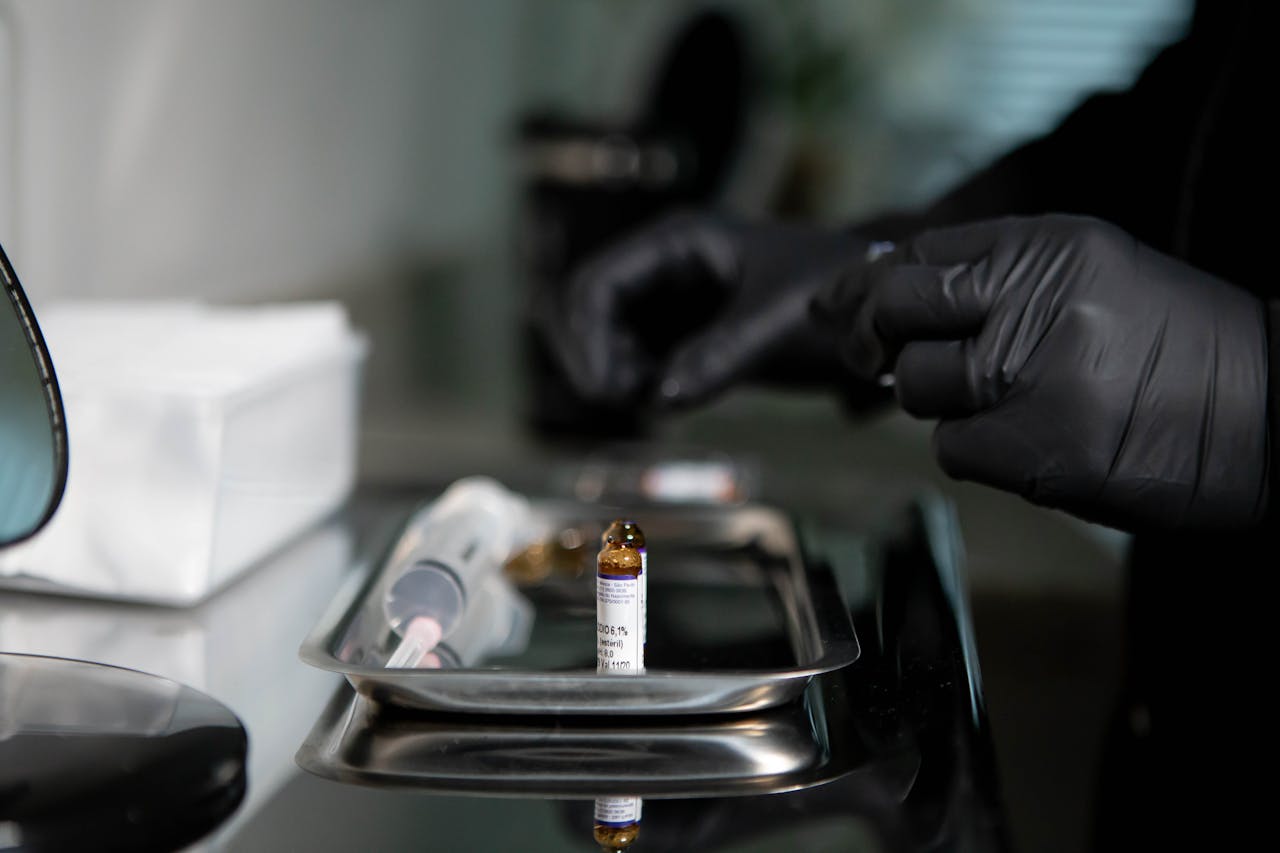
Look, nobody really wants to think about what happens to used needles and syringes after they use them, but here’s the thing – this stuff matters way more than most people realize. We’re not just talking about being tidy here. Used sharps can seriously hurt people if they’re not disposed of properly, and that includes sanitation workers, kids playing in parks, and basically anyone who might come across improperly discarded needles.
Whether you’re managing diabetes, dealing with a chronic condition that requires regular injections, or caring for someone who needs medical treatments at home, you’ve probably wondered how to properly dispose of used syringes. Just throwing them in the regular trash? That’s actually dangerous and illegal in many places.
The good news is that most communities have figured out that they need to help people dispose of sharps safely, so there are usually more options available than you might expect. You just need to know where to look and what to ask for.
Your Local Pharmacy Might Be Your Best Bet
Here’s something that catches a lot of people by surprise: many pharmacies actually take used sharps for disposal. Both big chains like CVS and Walgreens and smaller independent pharmacies often have take-back programs that make getting rid of sharps super convenient.
Most of these places will also sell you proper sharps containers if you need them, and they’re usually pretty cheap. Some pharmacies even give them away for free, especially if you’re a regular customer or you’re getting prescriptions for conditions that require injections.
The best part about pharmacy programs is convenience. You’re probably already going there to pick up medications anyway, so dropping off your used sharps at the same time just makes sense. Plus, pharmacy staff understand medical waste and know how to handle sharps safely.
Just call ahead to make sure your local pharmacy participates in take-back programs. Not every location does it, and some have specific rules about what containers they’ll accept or what days they collect sharps.
Hospitals and Clinics Sometimes Help Out
Some hospitals and medical offices run their own sharps collection programs, especially if they serve a lot of patients who do home injections. This makes sense when you think about it – they’re already dealing with medical waste disposal anyway, so adding patient-generated sharps to the mix isn’t a huge stretch.
If you’re already a patient at a particular clinic or hospital, definitely ask them about disposal options. They might be able to take your sharps, or at least point you toward good resources in your area. Medical providers usually know what’s available locally because they get asked about this stuff all the time.
The downside is that many healthcare facilities are picky about what containers they’ll accept. Some only take specific types of sharps containers, and others have rules about when and how you can drop things off. Calling ahead saves you the frustration of showing up with sharps they can’t or won’t take.
Your City or County Probably Has Options
Most local governments have figured out that improper sharps disposal is a public health issue they need to address. County and city waste management departments often accept sharps as part of their household hazardous waste programs.
Some places have scheduled drop-off days where you can bring all sorts of hazardous materials, including sharps. Others have year-round facilities where you can drop stuff off whenever it’s convenient. The big advantage of government programs is that they’re usually free for residents and they’re set up to handle this kind of waste properly.
Check your city or county website for information about hazardous waste disposal. They usually have details about what they accept, when and where you can drop things off, and any quantity limits they might have. Some places limit how many sharps containers you can bring at once, so it’s worth knowing the rules ahead of time.
Public Health Departments Get It
Community health departments are often really good resources for sharps disposal because they understand that this is a public health issue, not just an individual problem. Many run needle exchange programs or other harm reduction services that include safe disposal options.
These programs are particularly helpful for people managing chronic conditions like diabetes, because the staff understand that regular injections are a medical necessity, not a choice. They’re usually supportive and non-judgmental, which can be important if you’re feeling self-conscious about needing help with disposal.
Public health programs are often confidential too, so you don’t have to worry about your medical information getting shared around. They’re used to helping people with sensitive health issues and they know how to protect privacy while providing services.
Look up your local health department online or give them a call to ask about sharps disposal programs. Even if they don’t run their own program, they probably know what’s available in your area.
Mail-Back Programs for Hard-to-Reach Places
If you live somewhere rural or you just can’t find convenient local disposal options, mail-back programs can be a lifesaver. Several companies sell prepaid sharps containers that you can mail back when they’re full.
These programs are completely legal and safe – they provide special packaging that meets shipping requirements for medical waste. You just fill up the container, seal it according to the instructions, and drop it in the mail. The company handles proper disposal on their end.
Mail-back programs typically cost more than local disposal options, but they’re way more convenient if you don’t have good local resources. Plus, they’re available pretty much everywhere that gets mail delivery, so they work for people in remote areas where other options might not exist.
You can find mail-back programs online or sometimes through medical supply companies. Some diabetes supply companies even offer them as part of their service packages.
Keeping Everyone Safe Is Worth the Effort
Disposing of syringes safely really isn’t just about being a good citizen, though that’s part of it. It’s about protecting your family, the people who handle your trash, and random folks in your community who shouldn’t have to worry about getting stuck by used needles.
Most communities have caught on to the fact that they need to help people dispose of sharps properly, so there are usually more options available than people realize. Whether it’s your local pharmacy, a hospital program, county hazardous waste collection, or a mail-back service, there’s probably a solution that works for your situation.
The key is being proactive about finding these resources before you need them urgently. Take a few minutes to research what’s available in your area, get the phone numbers or addresses you need, and maybe even pick up a proper sharps container so you’re ready to go.
When everyone does their part to dispose of sharps safely, the whole community benefits. Nobody gets hurt by accidental needle sticks, sanitation workers can do their jobs safely, and neighborhoods stay clean and safe for everyone. That’s worth a little extra effort to do things right.