

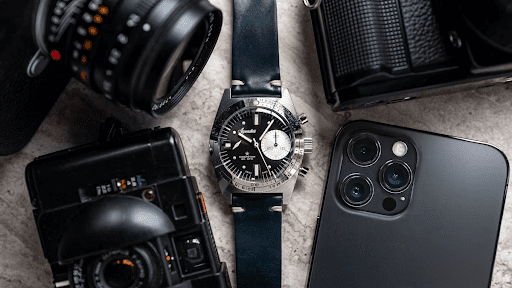
To enhance your collection of retro photographic instruments and elegant timepieces, start by focusing on specific eras known for their craftsmanship. The 1960s and 1970s saw the rise of iconic brands like Canon and Seiko, which produced remarkable models that stand out in both aesthetic appeal and functionality.
Researching the nuances between different models is crucial. For instance, pay attention to the condition of the lens and the accuracy of the mechanism. For watches, investigate the movement types; manual, automatic, or quartz can vastly affect both value and desirability. Authenticity is key; seek verified documentation or serial numbers to ensure you’re acquiring genuine pieces.
Consider attending auctions and expos dedicated to these treasures. These events can provide insights into market trends and connect you with seasoned collectors. Online marketplaces can also offer competitive prices, but always verify seller reputations and item conditions prior to purchase.
Maintaining your finds is just as important as acquiring them. Store instruments and timepieces in controlled environments, away from moisture and excessive sunlight, to preserve their integrity. Regular servicing by professionals can also extend their lifespan and maintain their aesthetic charm.
Exploring the Allure of Timeless Collectibles
Prioritize understanding the craftsmanship involved in the creation of each item. Study the mechanical intricacies of iconic timepieces and the optical engineering of renowned film shooters. Research brands like Rolex or Leica to appreciate their historical significance and design philosophies, as each model reflects a story and dedication to artistry.
Condition and Provenance
Examine the state of preservation critically. Original components, such as movements in watches or lenses in photographic devices, significantly impact value. Verify authenticity with trusted documentation or receipts. Establishing provenance can sometimes elevate an item’s worth, especially if it has an interesting backstory or has belonged to notable figures.
Market Trends and Community Insights
Stay updated with current market trends through specialized auctions and collector forums. Engage with communities that celebrate these collectibles, as they can provide valuable insights into pricing fluctuations and desired items. Networking with seasoned collectors can also uncover hidden gems and investment opportunities that may not be widely advertised.
Identifying Rare Vintage Cameras: Key Features to Look For
Examine the body material, as models made from brass or aluminum often indicate higher quality than those from plastic. Look for unique feature sets, such as coupled rangefinders or distinctive shutter mechanisms, which can signal rarity.
Check for specific branding marks or limited production runs, as these can significantly increase value. Serial numbers and production dates also offer insight into the model’s history and exclusivity.
Inspect lenses for unusual characteristics, like fast aperture values or specialized coatings that enhance image quality. Rare lens types, such as macro or telephoto options, can add to the allure.
Evaluate cosmetic condition, as well-preserved examples retain much of their value. Original packaging and documentation further enhance collectibility, so pay attention to these elements.
Finally, consult with expert communities or market resources to gauge demand and historical significance. Keeping abreast of auction results can also inform what aspects make particular items highly sought after.
Top Classic Watch Brands for Beginning Collectors
For newcomers in the horology sphere, Seiko is an excellent choice. Their diverse range offers both automatic and quartz movements at accessible prices, making it easy to find a reliable timepiece.
Bulova stands out for its blend of history and innovation. With models that feature intricate designs and technological advancements, it attracts those keen on unique features without exorbitant costs.
Tudor provides a bridge between luxury and affordability. Known for quality craftsmanship, their offerings often share aesthetic and design elements with Rolex, making them an appealing entry point for those aspiring to own prestigious brands.
Longines boasts a rich heritage and a wide selection of styles. Their combination of elegance and functionality attracts collectors who appreciate both classic and contemporary aesthetics.
Hamilton merges American spirit with Swiss precision. Ideal for enthusiasts, their designs often draw inspiration from cinema and aviation, providing storytelling alongside craftsmanship.
Orient is an ideal brand for those favoring mechanical movements. Their timepieces are known for quality at a budget-friendly price, appealing to collectors focused on value.
For those interested in sports designs, TAG Heuer represents performance and sophistication. Their models often feature chronographs and sporty aesthetics, balancing style with functionality.
Choosing these brands can pave the way for a rewarding experience in timepiece appreciation, guiding novices to develop their preferences and understanding of horological artistry.
How to Safeguard and Preserve Your Camera Collection
Use padded bags or cases for transport to prevent physical damage. Ensure proper storage conditions; keep items in a controlled environment with stable temperature and humidity levels.
Regularly clean lenses with appropriate solutions and microfiber cloths to maintain clarity. Dust can accumulate easily, so introduce a routine inspection schedule.
Establish a catalog system documenting each piece’s condition, purchase details, and any historical significance. This record helps track value and reminds you of the stories behind each item.
| Storage Tips | Cleaning Recommendations |
| 1. Use silica gel packets to absorb moisture. | 1. Clean the body with a soft brush to remove dust. |
| 2. Store in a dark place to prevent fading. | 2. Avoid using harsh chemicals on lenses. |
| 3. Keep away from direct sunlight. | 3. Use lens caps when not in use. |
| 4. Ensure light doesn’t touch the items unnecessarily. | 4. Store away from pollutants that can corrode materials. |
Protect lenses with filters to prevent scratches. Invest in quality tripod mounts to avoid wear during use.
Consider insurance for high-value pieces, as this will provide peace of mind against loss or damage. For thorough insights on watch preservation, visit Wrist Chronicles.
Market Trends: Evaluating the Value of Vintage Cameras and Watches
Focus on market demand and scarcity as primary indicators of worth. Auction results and online sales platforms provide real-time insights into pricing fluctuations. Analyze completed sales to gauge how specific brands and models fare in various conditions. Tracking these trends will help in making informed purchasing decisions.
Key Market Insights
- Iconic brands tend to retain or appreciate in value; examples include Leica for photographic devices and Patek Philippe in the timepiece sector.
- A look into the condition and provenance is vital; documented history and original parts can significantly enhance value.
- Limited edition releases are often more sought after, with unique features attracting higher bids during auctions.
Investment Considerations
- Assess the rarity of the item; models produced in fewer quantities typically showcase greater investment potential.
- Stay updated on emerging collector interests, as shifting trends can impact value drastically.
- Join community forums and attend exhibitions to remain connected with fellow enthusiasts and industry experts.
Evaluate the purchase timing; seasonal influences and economic conditions can impact market performance. A strategic approach, combining research and community insights, enhances the likelihood of making value-adding acquisitions.
Finding Authenticity: Tips for Spotting Fakes in Collectibles
Examine the packaging and documentation carefully. Genuine products often come with original boxes, manuals, and warranty cards that feature specific branding and consistent design elements. Check for discrepancies in fonts, colors, and logos.
Detailed Inspection
Inspect the item for craftsmanship quality. Authentic pieces exhibit a high level of detail and precision in manufacturing. Look for serial numbers, model numbers, and other identifiers. Verify these details with the manufacturer or reputable sources.
Research and Resources
Utilize online platforms to compare prices and details. Consult specialized websites like Cameras Review or LensGearPro for insights on genuine models. Leverage expert forums or collector groups for advice and verification.
Seek out trusted dealers and auction houses known for selling authentic items. Don’t hesitate to request a certificate of authenticity if it’s available. Always be cautious when purchasing from unknown sources, and prioritize established and reputable sellers.
Networking with Fellow Collectors: Where to Connect and Share
Join online forums and social media groups dedicated to enthusiasts of old photographic gear and timepieces. Platforms like Reddit, Facebook, and specialized community websites offer spaces to exchange insights, ask questions, and showcase collections.
Attend local meetups and antique fairs, where collectors often gather to share their expertise and discoveries. These events provide opportunities to connect face-to-face, allowing for personal interactions that can lead to lasting relationships.
Participate in trade shows and exhibitions focused on analog photography and horology. Engaging in these settings can enhance knowledge and facilitate connections with industry experts and fellow enthusiasts.
Utilize apps designed for collectors, which provide functionality for tracking items, sharing images, and communicating with like-minded individuals. These tools often foster a sense of community and collaboration.
Subscribe to newsletters or join organizations that focus on collecting photography equipment and timepieces. Membership often brings access to exclusive content, events, and networking opportunities.
Engage with influencers and bloggers who specialize in documenting their passions. Following their work can lead to interactions with other viewers, amplifying your network.
Q&A:
What makes vintage cameras appealing to collectors?
Collectors are often drawn to vintage cameras because of their unique design, craftsmanship, and historical significance. Many vintage cameras represent a specific era in photography, offering a tangible connection to the past. The mechanics of these cameras can also be fascinating; they often use intricate mechanisms that are a marvel of engineering. Additionally, some collectors appreciate the aesthetic qualities of these cameras, as many feature beautiful materials and finishes that modern cameras often lack.
How do classic watches differ from modern timepieces?
Classic watches are typically characterized by their traditional designs, mechanical movements, and intricate craftsmanship. Unlike many modern watches that rely on quartz technology for accuracy, classic watches often use automatic or manual winding mechanisms. This can make them less precise than their quartz counterparts, but many enthusiasts value the artistry and engineering that goes into each piece. Furthermore, classic watches often come with rich histories and stories, adding to their allure for collectors.
What factors should be considered when investing in vintage cameras or classic watches?
When investing in these items, collectors should consider factors such as condition, rarity, and provenance. A well-preserved item with a documented history can significantly increase in value. Additionally, brand reputation plays a crucial role; renowned manufacturers often produce items that maintain their value over time. Understanding market demand is also important; certain models may be more sought after due to trends in collecting or recent interest generated by cultural references. Lastly, collectors should ensure they are knowledgeable about authentication and counterfeits in the domain.
Can vintage cameras and classic watches appreciate in value?
Yes, both vintage cameras and classic watches can appreciate significantly over time. As interest in retro and historically significant items grows, certain models can become highly sought after in the collector market. Factors such as rarity, demand, and condition heavily influence their resale value. Some collectors have seen substantial returns, making these items attractive not only for personal enjoyment but also as potential investment opportunities. However, the market can be unpredictable, so it’s advisable to research trends and price history before making a purchase.
What are some tips for starting a collection of vintage cameras or classic watches?
To begin a collection, start by educating yourself about the models that interest you. Research the history, features, and value of different cameras and watches. Joining collector groups or forums can provide valuable insights from experienced enthusiasts. Start small by purchasing items in good condition without breaking your budget. Focus on building a collection that reflects your personal tastes and interests, while being mindful of the market trends. Don’t hesitate to ask for help or advice from more seasoned collectors to enhance your collecting journey.