
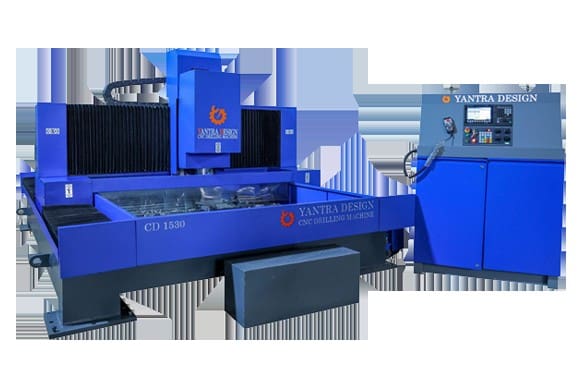
In modern metal fabrication, CNC drilling machines play a central role in delivering precision, speed, and structural accuracy. From structural steel components and base plates to flanges, beams, and heavy fabrication parts, drilling quality directly affects assembly fitment and overall project integrity. Selecting the right CNC drilling machine for fabrication requires careful evaluation of technical, operational, and production factors.
1. Workpiece Size and Capacity
One of the first considerations in fabrication is the maximum workpiece size. Fabricators often deal with large plates, structural beams, and thick components. The machine’s working area, load-bearing capacity, and travel range (X, Y, Z axes) must match the production requirements. Gantry-type CNC drilling machines are commonly preferred for large-format fabrication due to their stability and ability to handle oversized components.
2. Drilling Diameter and Material Compatibility
Fabrication applications may require drilling small pilot holes as well as large-diameter structural holes. The spindle power, torque, and maximum drilling capacity should align with the material type—whether mild steel, stainless steel, alloy steel, or structural plates. High-torque spindles are essential for drilling thick or hardened materials without compromising tool life or hole quality.
3. Structural Rigidity and Machine Stability
Fabrication environments demand heavy-duty performance. Machine rigidity directly impacts hole accuracy and surface finish. A welded, reinforced machine frame minimizes vibration during heavy cutting operations. Gantry structures or monoblock constructions are particularly effective in maintaining dimensional accuracy during continuous drilling cycles.
4. Precision and Positioning Accuracy
In structural fabrication, hole alignment must meet strict tolerance standards for bolting and assembly. Servo-driven axis control with precision linear guideways and ball screws ensures accurate positioning. Absolute encoder systems further enhance repeatability, making them ideal for batch production and repetitive fabrication jobs.
5. Automation and Productivity Features
Efficiency is critical in fabrication workshops handling high production volumes. Features such as automatic tool changers (ATC), hydraulic clamping systems, and chip conveyors significantly improve productivity. Automated systems reduce manual intervention, minimize setup time, and allow continuous operations, especially in large-scale projects.
6. Multi-Operation Capability
Modern fabrication often requires more than just drilling. Machines capable of tapping, countersinking, and light milling in a single setup provide added flexibility. Multi-operation capability reduces repositioning errors and enhances overall manufacturing efficiency.
7. Coolant and Chip Management System
Effective chip removal is essential when drilling thick structural components. Integrated chip conveyors and through-coolant systems prevent heat buildup and maintain clean working conditions. Proper coolant delivery improves tool life and drilling consistency, particularly in deep-hole applications.
8. CNC Control System and Ease of Programming
An advanced CNC controller with a user-friendly interface simplifies programming of complex hole patterns. Fabrication projects often involve customized layouts, so flexible programming capability and memory storage for repeat jobs are valuable features.
9. Maintenance and After-Sales Support
Reliability is a long-term consideration. Machines equipped with centralized lubrication systems and durable components require less downtime. Additionally, technical support, spare part availability, and service accessibility play an important role in sustained productivity.
Conclusion
CNC drilling machines have become indispensable in modern fabrication due to their precision, automation, and ability to handle diverse materials and complex designs. However, selecting the right machine requires careful evaluation of material type, workpiece size, spindle power, rigidity, automation features, software integration, and long-term operational costs.
By considering these key factors, fabrication businesses can invest in a CNC drilling solution that enhances productivity, ensures consistent quality, and supports sustainable growth in an increasingly competitive market.