
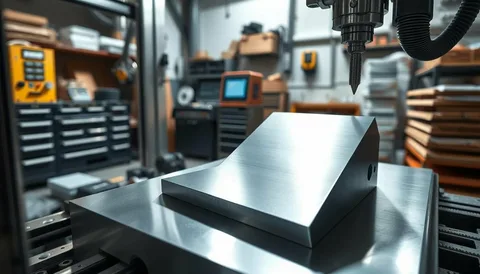
CNC aluminum machining is a modern manufacturing process that uses computer numerical control systems to cut, shape, and form aluminum into highly precise components. This method is widely used across industries because aluminum is lightweight, corrosion-resistant, and easy to machine. When compared with other metal machining processes, cnc aluminum machining stands out for its speed, efficiency, and cost-effectiveness.
Other metal machining processes involve materials such as steel, titanium, brass, and copper, each requiring different machining strategies. These metals often demand stronger tools, slower cutting speeds, and more energy, which increases production complexity. In contrast, aluminum allows manufacturers to achieve high productivity with reduced operational difficulty.
- CNC aluminum machining is faster than most metal machining processes
- Aluminum is easier to cut and shape than steel or titanium
- Ideal for high-volume and precision manufacturing
- Requires less tool wear and maintenance
- Commonly used in aerospace, automotive, and electronics industries
Material Characteristics: Aluminum vs Other Metals
The physical properties of materials play a major role in machining performance. Aluminum is soft, lightweight, and highly workable, making it ideal for CNC operations. This is why cnc aluminum machining is often preferred for producing complex shapes with tight tolerances and smooth finishes.
In comparison, steel offers high strength and durability but is harder to machine due to its toughness. Titanium is even more challenging because of its heat resistance and strength-to-weight ratio. Brass is easier to machine but is more expensive and not suitable for high-strength applications.
- Aluminum is lightweight and highly machinable
- Steel provides strength but increases machining difficulty
- Titanium requires specialized tools and slower speeds
- Brass is easy to machine but costlier
- Aluminum balances performance, cost, and machinability
Machining Speed, Precision, and Efficiency
One of the biggest advantages of CNC aluminum machining is its ability to operate at high speeds while maintaining excellent precision. Because aluminum cuts easily, CNC machines can achieve faster cycle times, making cnc aluminum machining highly efficient for mass production and prototyping.
Other metals slow down machining processes significantly. Steel and titanium require reduced feed rates to avoid overheating and tool damage. This not only increases production time but also reduces overall efficiency. Aluminum machining, on the other hand, delivers smooth surfaces with minimal finishing requirements.
- Faster cutting speeds in aluminum machining
- High precision and repeatability in CNC processes
- Reduced production cycle times
- Lower heat generation during machining
- Minimal post-processing required
Cost Analysis and Production Efficiency
From a cost perspective, CNC aluminum machining is more economical than most other metal machining processes. Aluminum is widely available and affordable, and its ease of machining reduces tool wear and energy consumption. As a result, cnc aluminum machining helps manufacturers lower overall production costs.
Other metals such as titanium and stainless steel increase expenses due to slower machining times, higher tool replacement rates, and more complex setups. These factors make them less suitable for large-scale or cost-sensitive production projects.
- Lower raw material cost compared to titanium and steel alloys
- Reduced tool wear and maintenance expenses
- Faster production reduces labor costs
- Lower energy consumption during machining
- Cost-effective for large-scale manufacturing
Industrial Applications and Performance Comparison
CNC aluminum machining is widely used in industries where lightweight and precision components are essential. Aerospace manufacturers rely on it for structural parts, while the automotive sector uses it for engine components and housings. The electronics industry also benefits from cnc aluminum machining for producing heat sinks and protective casings.
Other machining processes are more suitable for heavy-duty applications where extreme strength or heat resistance is required. For example, steel and titanium are commonly used in industrial machinery, medical implants, and defense equipment. However, aluminum remains the preferred choice for many modern engineering applications due to its versatility.
- Aerospace parts such as aircraft frames and panels
- Automotive components like engine blocks and brackets
- Electronics housings and cooling systems
- Medical and precision engineering devices
- Industrial parts requiring lightweight construction
Conclusion
CNC aluminum machining offers a powerful combination of speed, precision, and cost efficiency that makes it superior in many manufacturing scenarios. Compared to other metal machining processes, aluminum stands out for its ease of machining, reduced tool wear, and faster production cycles. This makes cnc aluminum machining the preferred choice for industries focused on innovation, lightweight design, and mass production efficiency.
While other metals like steel and titanium provide greater strength and durability, they come with higher machining costs and complexity. Ultimately, the choice between aluminum and other metals depends on the specific requirements of the application, but CNC aluminum machining continues to dominate where performance and efficiency are key priorities.