
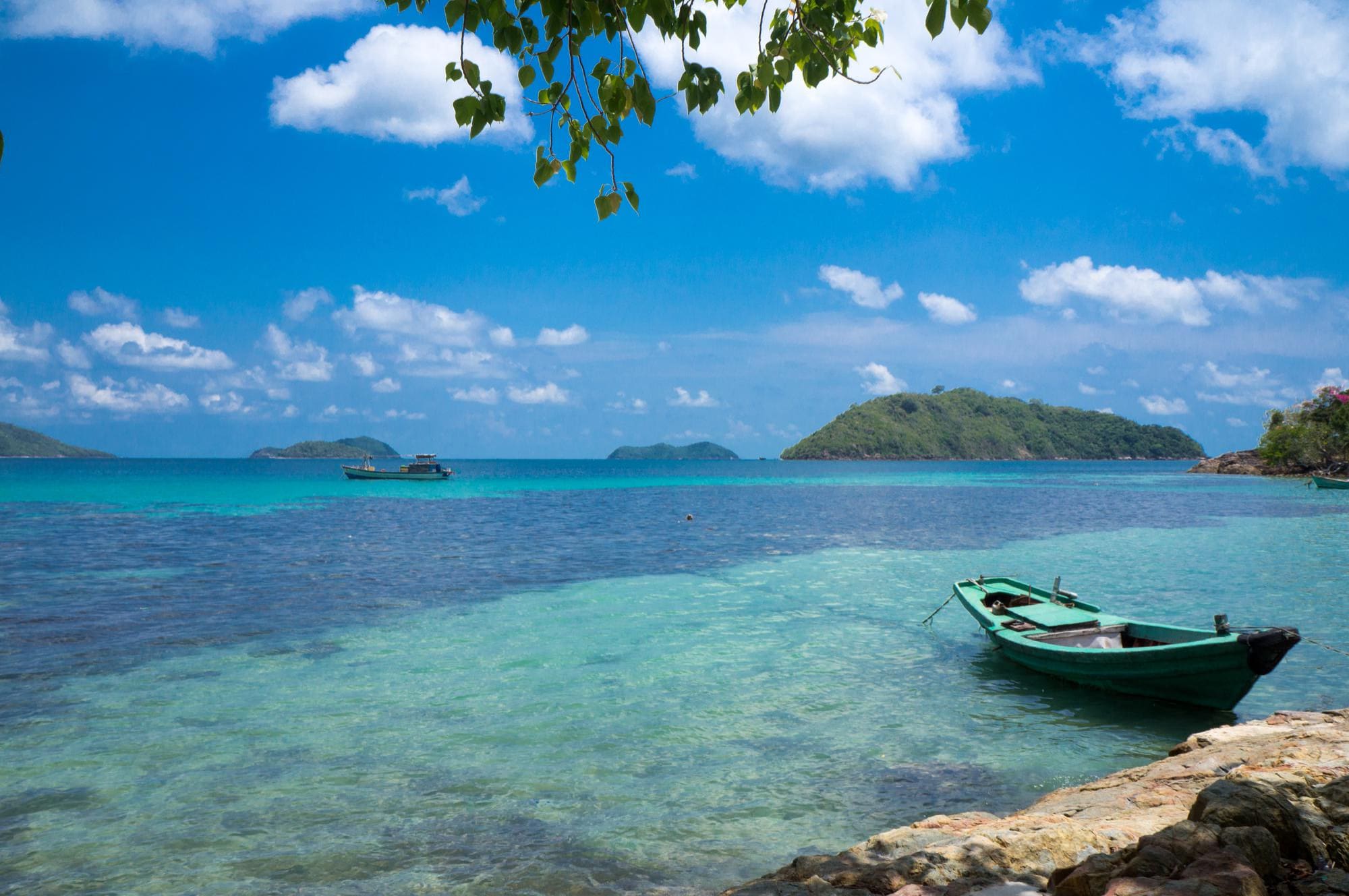
The Andaman and Nicobar Islands, located in the Bay of Bengal, present a remarkable case study in cultural diversity. Their costumes reflect a fascinating blend of indigenous tribal traditions, influences from early settlers, and mainstream Indian culture. The archipelago’s population includes aboriginal tribes, migrants from the Indian mainland, and communities of varied religious backgrounds, all of whom contribute to a rich and evolving sartorial heritage.
Traditional Tribal clothing of the Andaman and Nicobar
The aboriginal tribes of the islands maintain a close relationship with nature, which is evident in their dressing practices. The Sentinelese, one of the most isolated tribes globally, continue to live without clothing, preserving traditions untouched by external influence. In contrast, the Jarwas adorn themselves with ornaments made from shells, bark, and fibers, including necklaces, waistbands, and armbands. The Onges, another prominent group, favor minimal clothing designed for comfort in dense forests and humid conditions.
These practices highlight the tribes’ sustainable lifestyle. Clothing is crafted from natural resources such as palm leaves, coconut fibers, and tree bark, reflecting both practicality and cultural identity. The Nicobarese community, however, demonstrates a slightly different approach. Their traditional attire consists of colored loincloths made from cotton or bark, often dyed in vibrant hues. This style has become a distinctive marker of Nicobarese identity, blending simplicity with cultural symbolism.
Influence of Mainland Culture
The islands are home to Hindus, Sikhs, Christians, and other communities who migrated from mainland India. These groups brought with them traditional garments such as sarees, salwar kameez, dhotis, kurtas, pajamas, skirts, trousers, and shirts. Their attire reflects religious and cultural identities, while also adapting to the tropical climate.
Modern fashion trends have gradually permeated the islands, leading to a shift from traditional plant-based clothing to contemporary fabrics. This transition illustrates the impact of globalization and connectivity, which have introduced new styles while simultaneously challenging the preservation of indigenous practices.
Natural Elements and Ornamentation
A distinctive feature of island attire is the creative use of natural materials. Seashell ornaments, bark fibers, and handcrafted accessories form an integral part of tribal costumes. Necklaces, waistbands, and armbands fashioned from shells and bark not only enhance appearance but also symbolize the tribes’ deep connection with their environment. The aesthetic of these costumes resonates with the islands’ natural setting—blue seas, lush forests, and sylvan landscapes—creating a cultural identity rooted in ecological harmony.
Preservation of Indigenous Practices
Despite increasing exposure to modernity, several tribes remain steadfast in preserving their traditions. The Sentinelese continue to live without clothing, maintaining cultural autonomy. The Shompens, another semi-isolated tribe, restrict their attire to garments covering only the lower body. These practices underscore the resilience of indigenous cultures and highlight the diversity of dressing styles across the islands.
Diversity in Attires
The costumes of the Andaman and Nicobar Islands contrast sharply with mainland India, where conventional attire dominates. For many tribes, clothing is not a necessity but an extension of their relationship with nature. This divergence illustrates the multiplicity of cultural expressions within India.
The Laccadivian women, part of the island population, wear a garment called the Kachi, resembling a lungi and typically black or white. They also adorn long headdresses known as Thattam. Jewelry plays a significant role in their attire, with ornaments inspired by sea creatures, particularly shells, adding elegance and cultural depth.
Balancing Tradition and Modernity
As globalization accelerates, the costumes of the Andaman and Nicobar Islands are transforming. While modern fabrics and styles are increasingly adopted, indigenous practices continue to survive in isolated communities. The challenge lies in striking a balance between embracing new influences and preserving cultural heritage.
The clothing traditions of the Andaman and Nicobar Islands embody a complex interplay of indigenous customs, settler influences, and mainstream Indian culture. From the natural attire of tribes to the colorful garments of the Nicobarese and the modern clothing of mainland migrants, the islands present a vibrant cultural mosaic. Preserving these traditions while adapting to contemporary changes is essential to safeguarding the islands’ unique identity.