
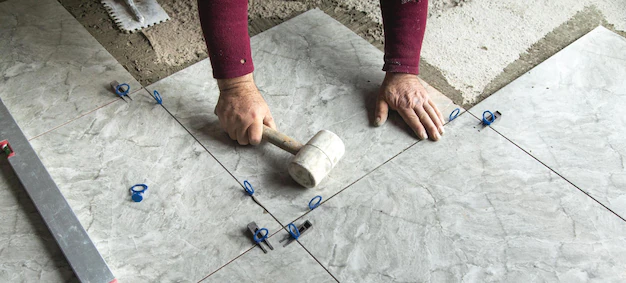
When you purchase ceramic tile flooring, you must learn how to clean and maintain it so it lasts for years to come. In addition, if you plan to replace your tile, there are some steps you should take before you begin. Learn more about cleaning and sealing your floor and how to keep it looking brand new.
Cleaning
Clean and maintain ceramic tile floors properly and they will last a long time. You might think that it would be difficult to maintain your tile, but it can actually be a simple task. A little bit of knowledge and a few good tools can go a long way.
Cleaning and maintaining ceramic tile floors requires a little more than throwing a few rags at the dirt. Here are some tips that will help you do it the right way.
The first step is to sweep and mop your floors. This is a good way to get rid of loose debris and prevent dirt from getting into the grout lines.
It might not seem obvious, but you should never leave your tile to air dry. If you don’t dry it properly, water spots can develop.
Sealing
Whether you’re trying to make your floor more aesthetically pleasing or more slip resistant, you might want to consider sealing ceramic tile floors. This will help you maintain the beauty of your floor and make cleaning easier. Depending on how much exposure your floor receives, however, you may find that you need to reapply the sealant often.
Before deciding to seal your tile, be sure to do a test run of your chosen sealant on a discreet area. This will allow you to see if the product is indeed the best one for your needs.
There are several different types of sealants available. For instance, there are penetrating sealers and surface sealers. Penetrating sealers work by soaking up water beneath the tile. These types of sealants are especially helpful in areas with high amounts of water exposure.
Avoiding acid-based cleaners
When it comes to cleaning and maintaining ceramic tile floors, avoid acid-based cleaners. They can etch and scratch tile surfaces. If you want to keep your floors looking beautiful, use a commercially available cleaner formulated for tile. Porcelain and marble tile cannot handle acid-based cleaners. Marble and granite tiles need a mild alkaline or neutral detergent. These products can remove grease and soap scum without damaging the finish.
If you don’t want to use a product designed for your tile, you can try using a diluted solution of vinegar. You can also apply baking soda paste to stains. Once the stain is gone, wipe the surface with a lint-free cloth. Ceramic and porcelain tile can be sealed if you choose to. Sealing your floor is important to prevent stains and water spots. Sealing can delay chemical reactions in grout. But sealing can’t prevent etching, which occurs when the top enamel coating corrodes.
Identifying chipped or deep scratches
If you have a best ceramic tile floors services in your home, you know that it can get chipped and scratched. The good news is that you don’t have to replace the entire flooring panel to repair your scratches. To begin, you should determine what type of tile you have. Tile flooring typically comes in either ceramic or porcelain. Knowing the difference is important before choosing the right tile floor cleaner.

There are numerous products available to help you fix your scratches. Many of them are designed to match the color of your tile. However, these kits will not fix all of your damage. There are also a number of home remedies that will work on the smaller scratches. You can try applying a small amount of baking soda to the chipped area. This will not completely remove the scratch, but it should soften it up.
Taking care of your grout after you have installed your tile
When you have installed ceramic tile floors, taking care of them is not only important for keeping them looking clean, but also for extending their life. If you do not keep them clean, they can become slippery and scuff easily. Also, if you do not seal your grout, stains and dirt can enter the tiles, detracting from their beauty.
Cleaning tiles is not a simple task. It requires proper tools and strategies. A few tips to get the job done include sweeping, vacuuming and mopping. Sweeping can remove debris and loose dust from the tile flooring. The vacuum should be used weekly to eliminate dirt. If you have a new floor, wait at least five days before mopping or scrubbing. You may need to use a multi-purpose spray cleaner to remove hard water deposits.