


In the modern professional landscape, fostering a cohesive and collaborative team is a critical component of organizational success. A well-structured team building program can bridge communication gaps, unearth hidden leadership qualities, and build the interpersonal trust that transforms a group of individuals into a high-performing unit. However, several available options can make selecting the right activity a daunting task. The key to a successful outcome lies in strategically aligning the activity with your team’s specific needs, dynamics, and comfort levels.
Below are some tips for choosing the right team building activity for your workplace:
Assessing Your Team’s Needs and Goals
Before browsing through catalogs of exciting adventures, it’s essential to conduct an internal assessment. What is the primary objective of the team building session? Is the goal to improve communication between departments that rarely interact? Is it to help a newly formed project team learn to problem-solve together? Or is the aim simply to boost morale and reward a team for their hard work after a stressful quarter?
The answers to these questions will dictate the nature of the activity. For a team struggling with trust, a low-stakes, conversation-based workshop might be a starting point. For a group that works well operationally but struggles with creative brainstorming, an activity focused on innovation and “thinking outside the box” would be more beneficial. Clearly defining the desired outcome, whether it’s improved collaboration, conflict resolution, or pure celebration, is the first and most crucial step in the selection process.
Categorizing Team Building Activities
Team building activities generally fall into several categories, each offering distinct benefits. Understanding these categories can help you narrow down the options based on your team’s established goals. These include:
Outdoor and Physical Challenge Activities
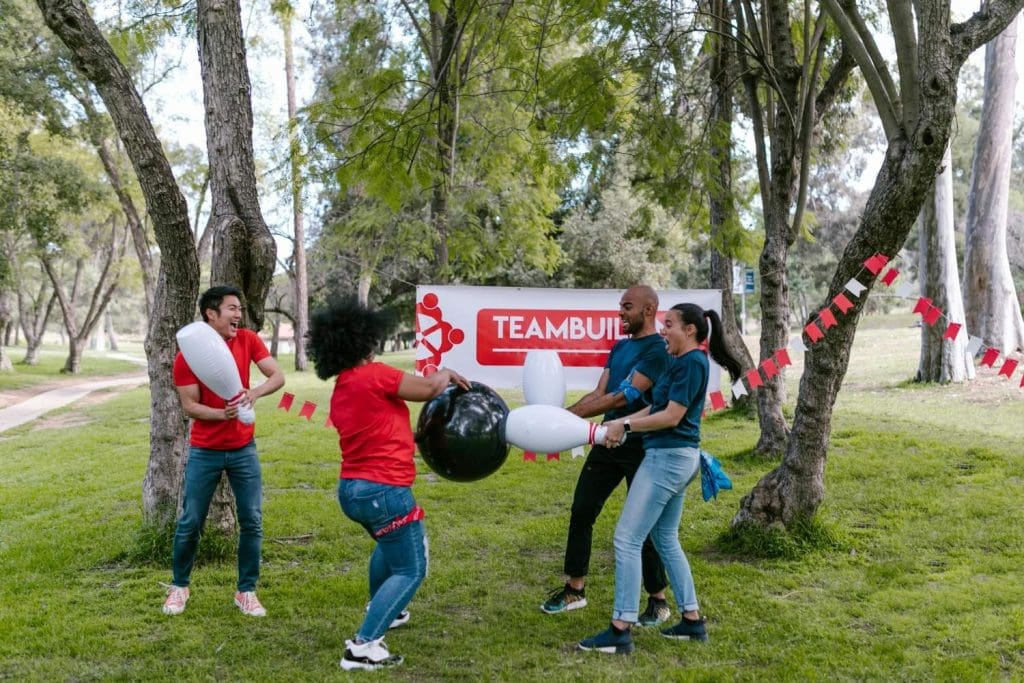
For your team that thrives on hands-on experiences, physical challenges can create powerful bonds. These activities can take individuals out of the sterile office environment and place them in novel situations where they must rely on one another. This category ranges from low-impact problem-solving games to high-adrenaline adventures, including options like the Challenge Course, which offers various elements designed to test your team’s resolve and cooperation in a beautiful outdoor setting.
From team-based challenges where members on the ground must balance planks for a climber above, to exhilarating giant swings, these experiences can create shared memories and a profound sense of collective achievement that office-based activities rarely can.
Problem-Solving and Strategy Activities
These activities can place your team in scenarios that require collective critical thinking. Escape rooms, puzzle challenges, and strategy-based simulations fall into this category. They’re excellent for revealing how your team delegates tasks, communicates under pressure, and leverages individual strengths to achieve a common goal. They’re particularly effective for your team whose daily work involves complex project management or strategic planning.
Communication-Focused Workshops
Sometimes, the biggest barrier to productivity is a simple breakdown in communication. Workshops that focus on active listening, giving and receiving feedback, and non-verbal communication cues can be transformative. These are often facilitated sessions that provide your team with new frameworks for interacting, which you can then apply directly to your day-to-day workflows.
Skill-Based and Social Activities
Not all team building needs to be about overcoming obstacles. Sometimes, the goal is simply to build rapport. Cooking classes, volunteer days at a local charity, or trivia nights allow colleagues to connect on a personal level in a relaxed setting. These activities are ideal for reducing social barriers and helping team members see each other as people, not just roles within a company.
Matching the Activity to the Team Culture
Perhaps the most critical factor in choosing an activity is the team’s culture and the physical comfort levels of its members. A mandatory high-ropes course might be a dream come true for an adventurous sales team, but a source of severe anxiety for a more introverted or risk-averse group. Forcing participation in physically daunting activities can backfire, breeding resentment rather than camaraderie.
When considering physical challenges, it’s vital to choose a provider that emphasizes inclusivity and offers varying levels of participation. Programs that are thoughtfully designed allow individuals to choose their own level of engagement. For example, some courses offer low-ropes elements that focus on ground-based problem-solving, requiring no harnesses or helmets, alongside high elements for those seeking an adrenaline rush. This can ensure that every team member can participate in a way that feels safe and comfortable for them, fostering a supportive environment where individuals cheer each other on regardless of their personal challenge level.
Logistics and Professional Facilitation
Practical considerations can’t be overlooked. The budget, the number of participants, and the time available will naturally limit the options. An off-site half-day program requires more planning and financial commitment than a one-hour onsite workshop. However, the investment in a professionally facilitated program is often worthwhile.
A skilled facilitator is the difference between a fun outing and a transformative team experience. They observe group dynamics, guide reflection, and help your team draw parallels between the activity and your work environment. The debrief session, where you discuss what you learned about your team’s communication and problem-solving styles, is where the real value is cemented. A facilitator can ensure that the lessons learned during the event translate into actionable changes back at the work office.
Conclusion
The most effective team building isn’t a one-time event but part of an ongoing commitment to organizational health. Choosing the right activity, one that’s aligned with your team’s goals, respectful of its culture, and professionally facilitated, can lay a strong foundation for a more connected, resilient, and effective workforce. The ultimate return on investment is a team that’s better equipped to navigate the challenges of the workplace together, with trust and mutual respect as guiding principles.