
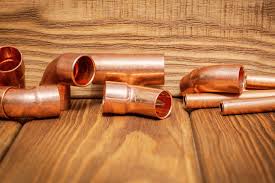
Trying to spec the right piping setup for your next project in the United Arab Emirates (UAE)? Between high-density polyethylene (HDPE), polyvinyl chloride (PVC), and all those fusion fittings, it’s easy to get lost.
The key? Break it down so you get exactly what your site needs — no leaks, no rework. Whether you’re handling MEP work or planning a full-scale installation, knowing what to pick (and why) can save serious time and budget, and this guide can help you get started.
HDPE vs. PVC Pipes: Which One Fits Your Project?
HDPE is your best friend if you’re working underground or on a high-pressure line. It’s tough, flexible, and takes a beating from both pressure and shifting ground. For water supply, firefighting lines, or even complex ducting, pipe installation companies in the UAE often lean on HDPE for its durability.
PVC, on the other hand, shines in drainage and ductwork. It’s lighter, easier to cut and fit, and works great in non-pressurized systems. And because it’s cost-effective, it’s often the go-to for projects that need to stretch the budget without cutting corners.
Need a cheat sheet? Go HDPE for pressure. Use PVC for flow and waste. If you’re still unsure, many local suppliers are happy to talk you through the call based on your build type.
Key Pipe Fittings Every UAE Site Needs
The pipe might carry the load, but the fittings are where the system lives or dies. From HDPE electrofusion joints to custom-fabbed bends, your fittings need to match both your material and pressure specs. Butt fusion fittings are the default choice for a clean, strong weld, perfect when you need a leakproof line.
Electrofusion fittings work wonders for trickier layouts. Insert the pipe ends into a fitting with a built-in heater, power up the fusion machine, and the bond is done. No flames, no guesswork.
Then you’ve got reducers, caps, puddle flanges, traps — those small parts that tend to get missed in the spec sheet but can mess up an entire install if overlooked. Check your fittings list twice.
What to Look for in Quality Pipe Accessories
Not all piping accessories are created equal. The best ones meet international standards like ISO 4427, EN12201, and EN1519. That tells you they’re tested, rated, and safe to use in critical infrastructure. The pressure rating also matters. A PN10 part will not hold up in a PN16 system.
It also helps if your supplier stocks a wide range on-site, carrying everything from catch basins to duct couplers. You want quick availability, clear labeling, and options for fast swaps if the spec changes mid-install — bonus, if they can custom-fabricate the odd stuff.
Local or Imported: Where UAE Projects Source Their Pipes
The good news is that most pipes and fittings you’ll need can be sourced right here in the UAE. That means shorter lead times and fewer headaches. Some companies manufacture a huge range of piping accessories and HDPE/PVC systems for MEP, drainage, and fire lines — all locally.
That said, certain specialty parts (think firefighting-grade fittings or European-standard valves) may still come from abroad. So if your timeline’s tight, always ask your supplier about in-stock options and lead times for imported goods.
Need it yesterday? Stick with local inventory whenever you can.
Custom Fabrication: When Off-the-Shelf Just Doesn’t Work
Not every project fits the catalog. Awkward angles, tight plant rooms, or high-pressure split lines often call for custom-fab fittings. This is where suppliers offering CNC-machined or welded options save the day.
Choose a company that offers custom-built HDPE and PVC parts made to your site’s exact requirements. Whether it’s a long-radius bend or a multi-port junction box, getting it made right means faster installs and less field modification. In short, measure twice, fabricate once.
If your project has non-standard specs, build a relationship with a fabricator early. They’ll spot issues before they hit the jobsite.
FAQs
What’s the best pipe material for underground water lines in the UAE?
HDPE is usually the top pick. It handles pressure well, resists chemical corrosion, and stays flexible under shifting soil conditions. ISO 4427-compliant pipes are the standard.
Are HDPE fittings better than PVC for high-pressure systems?
Yes. HDPE with butt or electrofusion welds creates stronger, leak-resistant joints, especially in pressure lines. PVC is fine for drainage, but not ideal under load.
Can I get custom pipe accessories made for my project?
Definitely. Several UAE companies offer CNC and welded fabrication based on your layout. This helps avoid installation issues on non-standard builds.
What standards should UAE piping products follow?
Look for ISO 4427 for water pipes, EN12201 for pressure fittings, EN1519 for drainage, and EN13244 for buried installations. These cover durability, pressure rating, and safety.
Can I hire a pipe installation team for a residential villa in Dubai?
Yes, but not all firms take on small-scale residential jobs. Look for contractors who mention villa or domestic installations on their site. Many larger companies focus on commercial or industrial work.
Are there UAE suppliers who offer 3D scanning or laser alignment for piping systems?
A few do. High-spec MEP contractors and industrial specialists sometimes offer laser-guided tools and 3D scanning to ensure alignment before welding or installation. It’s more common in oil and gas or large commercial projects.
What’s the lead time for European pipe accessories in the UAE?
It depends on the part and the supplier, but you can expect two to four weeks for most standard imports. Express options may be available, but they’ll cost more. Always check local stock first to avoid delays.
Are there local brands that make high-quality pipe clamps and unions?
Yes. Some UAE-based companies manufacture their own accessories and clamps to match international standards. These are often more affordable than imports and can be customized faster.
Do UAE piping contractors follow green building codes like LEED or Estidama?
Many do, especially on government or commercial projects. If sustainability is part of your scope, check whether the installer has experience meeting LEED or Estidama criteria, and whether their pipe materials qualify for credits.
Wrapping It Up
When it comes to pipe installation companies in the UAE, the best ones know their materials inside out. But whether you’re the buyer, installer, or engineer on the job, understanding your own options (HDPE vs. PVC, butt fusion vs. electrofusion, local vs. imported) gives you the edge. Remember: Better gear equals smoother installs, which ultimately leads to happy clients.